


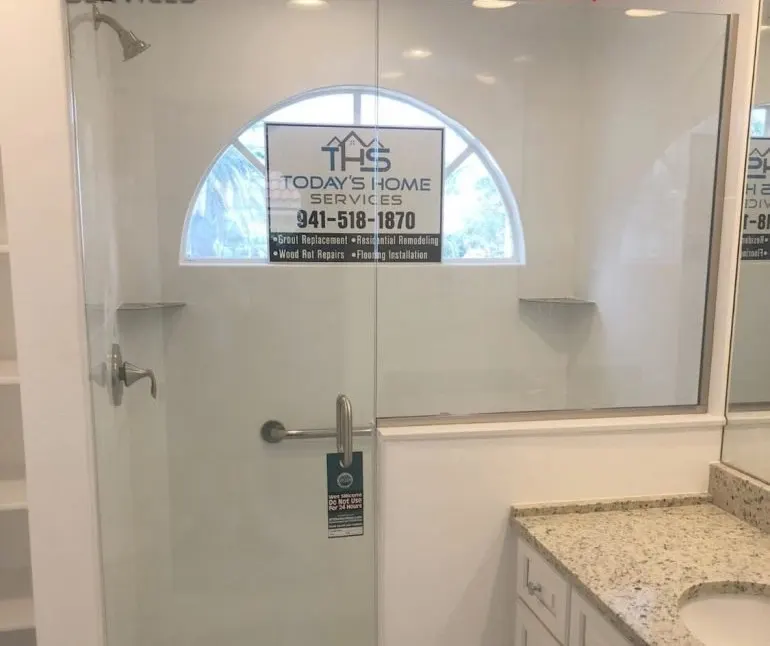
The right glass keeps water in the shower and puts your new tile on display. We plan, measure and install frameless, semi-frameless and framed enclosures fitted to your shower, not a generic size.
Key takeaways
- Custom glass is measured only after tile is finished, because tile thickness and out-of-plumb walls change the opening.
- Hinges and clips need wood blocking in the wall, which is added during framing.
- A curb that slopes slightly into the shower keeps drips from creeping under the glass.
- A new enclosure can often go on an existing shower if the tile and curb are sound.
A shower curtain is cheap and easy, and it hides everything you spent on the tile. Glass shower doors do the opposite: they open up the bathroom visually, show off the work inside the shower, and seal water in far better than fabric. They're also the last thing installed in most shower projects, which means they're only as good as the planning that went into the shower before them.
At Today's Home Services we design the glass along with the shower, install blocking where the hardware will anchor, and measure once the tile is complete. We also replace doors on existing showers when the tile is sound and the old enclosure is the problem.
Signs It's Time to Replace Your Shower Door
- The bottom track is corroded or packed with grime that won't scrub out.
- Water leaks past the sweep or side seals onto the floor.
- The glass is etched cloudy from hard water and never looks clean.
- The door sags, drags or won't stay closed.
- You're still using a curtain and want to see the tile you paid for.
Frameless, Semi-Frameless or Framed?
| Style | What it looks like | Strengths | Trade-offs |
|---|---|---|---|
| Frameless | Thick glass with minimal hinges and clips, no metal around the edges | Clean, open look; easiest to clean; shows off tile | Highest-end option; requires precise walls and blocking |
| Semi-frameless | Glass with metal on some edges, typically the fixed sides | Balance of look and cost; tolerates small wall irregularities | Some metal channel to keep clean |
| Framed | Metal frame around all glass panels | Most economical; sturdy; good for tub enclosures | Busier look; frames and tracks collect soap scum |
Our guide on shower glass types covers glass thickness, textures and coatings in more detail.
Door Configurations
Hinged (swing) doors
A hinged door swings out into the bathroom, so you need clear floor space in front of it. It's the classic choice for a stall shower with an opening of moderate width. Hinges mount to the wall or to a fixed glass panel.
Sliding doors
Sliders work well where there isn't room for a swinging door, including tub enclosures and long, narrow showers. Many modern sliders hang from exposed rollers on a top bar, with only a low guide at the bottom instead of a deep track that traps water and grime.
Fixed panels
A single fixed panel, with no door at all, suits a long walk-in shower where the showerhead is placed away from the opening. There's no hardware to adjust, and cleaning is simple. A fixed panel is also a common finish for a tub-to-shower conversion. See our walk-in showers page for how we plan that layout.
Neo-angle and corner enclosures
Corner showers use angled panels and a door to make the most of a small footprint. They're common in older primary baths and in small bathroom remodeling projects where every inch matters.
Tub enclosures
A glass slider or a fixed splash panel on a tub keeps water off the floor without the cling of a curtain. If you're replacing a tub, see our bathtub replacement page.
Planning Glass Before the Tile Goes Up
The best glass installations are planned while the walls are still open:
- Blocking. Hinges and clips need something solid to anchor to. We add wood blocking in the wall at hinge locations during framing, so the door hangs on more than tile and backer board.
- Curb design. The top of the curb should slope slightly toward the shower so drips drain back inside. A flat or outward-sloping curb lets water creep under the glass.
- Head placement. Aiming the showerhead away from the door or opening reduces how much water reaches the seals.
- Handle location. The handle needs to clear the valve trim, a niche or a towel bar on the adjacent wall.
- Door swing. Hinged shower doors are generally set to swing out into the bathroom, so the arc has to clear the vanity, the toilet and the bathroom door, and a wider opening helps anyone using a walker.
Why glass is measured after tile
Custom glass is cut to fit the finished shower exactly. Tile, mortar and backer board add thickness to the walls and curb, and no wall is perfectly plumb, so the panels have to follow the real finished surfaces rather than the framing. Measuring before tile risks gaps at the walls or panels that don't fit at all. That's why there's a wait between finishing the tile and installing the glass.
The Installation Process
- Design the enclosure with the shower: style, door type, hardware finish and glass options.
- Add blocking during framing and build the curb with the right slope.
- After tile and grout are complete, take precise measurements of the finished openings.
- Order custom-cut tempered glass, which takes some lead time to fabricate.
- Install the panels and door, adjust hinges for a smooth swing, and fit the seals and sweeps.
- Seal the glass where it meets tile as the manufacturer recommends, then test the door and check for leaks.
Replacing an Old Door on an Existing Shower
Plenty of showers have solid tile and a tired enclosure: a framed slider with a corroded bottom track, a door that drags, or glass so etched by minerals that it never looks clean. Swapping the enclosure alone can make the whole bathroom feel updated. When we quote a replacement, we look at a few things first. Are the walls and curb solid where new hardware will mount? Is the curb sloped so water returns to the shower? Will the holes and caulk lines from the old frame be hidden by the new hardware, or will they need patching? Removing an old frame sometimes reveals cracked tile or failed caulk underneath. If that happens, we'll show you and recommend a fix before the new glass goes in, rather than closing it up and hoping for the best.
Hardware Finishes and Glass Options
Hardware comes in finishes like chrome, brushed nickel, matte black and brass, and it looks best when it matches your valve trim and faucets. For glass, clear is the most popular for showing off tile. Low-iron glass removes the faint green tint at the edges of thicker panels. Frosted or textured glass adds privacy where the shower faces the door or a window.
Many glass suppliers offer a factory-applied protective coating that helps water and minerals bead off. On the Suncoast, where hard water is common, it's worth asking about.
Keeping Shower Glass Clear
Hard-water spots and soap film are the enemies of clear glass. A few habits go a long way:
- Squeegee the glass after every shower. It takes seconds and prevents most buildup.
- Run the exhaust fan so the glass can dry. See our bathroom lighting and ventilation page if your fan isn't up to it.
- Clean weekly with a non-abrasive cleaner; avoid scouring pads and harsh acids that can damage coatings and hardware finishes.
- Check the bottom sweep and side seals once in a while and replace them when they stiffen or tear.
If the spots return within a day no matter what you do, the water is the problem. Our guide explains why hard water damages bathroom fixtures, and our water purification systems service treats it for the whole house, protecting your glass, fixtures and tile at the same time.
What Affects the Cost
- Style. Frameless enclosures use thicker glass and precise hardware; framed enclosures cost the least.
- Size and panel count. A single fixed panel is simpler than a door plus panels or a neo-angle enclosure.
- Glass options. Low-iron, frosted or textured glass and protective coatings add to the price.
- Hardware finish. Brass and matte black finishes can cost more than chrome.
- Existing conditions. Removing an old frame can reveal cracked tile or a curb that needs correcting.
Our guide on bathroom remodel costs shows how glass fits a full shower budget.
Part of Your Shower, Not an Afterthought
Glass is usually the final step of a shower remodel or a complete bathroom remodel, and we plan it from the beginning of the project. If your shower is in good shape and you just want a better door, we can help with that, too. Get in touch for a free estimate, and we'll measure and suggest the enclosure that suits your shower.
Related Bathroom Services
What Clients Say
“My house was replumbed last year due to cast iron pipes. Today's Home Service did an awesome job remodeling both bathrooms. I have more updates and maintenance in mind for my home. It gives me peace of mind to have found a company I can trust to help me with everything.”
— Helen Downs
“Today's Home Services with Shaun and his crew, he is very knowledgeable about tile and marble and your construction needs. From day one his crew was very polite and professional. They treated us and our home like more than just customers. If you're considering remodeling your home, I definitely would recommend them. They are definitely a five star company.”
— Michael Wojcik
Bathroom Remodeling Near You
We remodel bathrooms throughout four Gulf Coast counties. Find the page for your community:
Learn More Before You Start
Shower Doors FAQs
How long does custom shower glass take?
What glass thickness do you use for frameless doors?
How do I stop hard water spots on shower glass?
Is frameless glass safe?
Keep Exploring
-
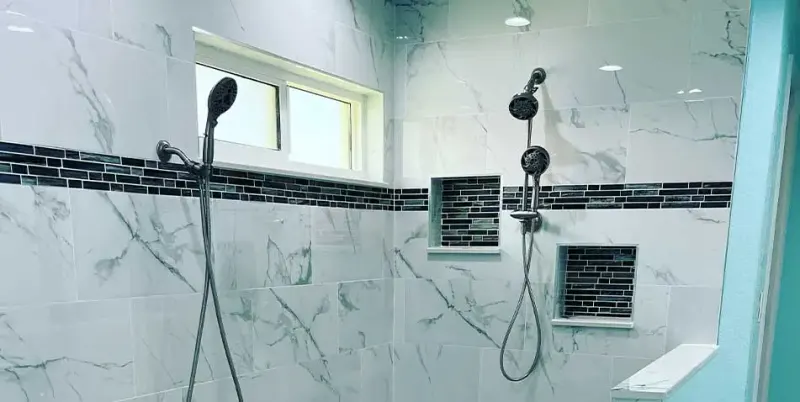
Bathroom Remodeling in Bradenton, Sarasota & the Suncoast
From a tired hall bath to a complete primary-suite rebuild, we plan, demo, waterproof, tile and finish bathrooms across Manatee, Sarasota, Charlotte and south Hillsborough counties,…
-
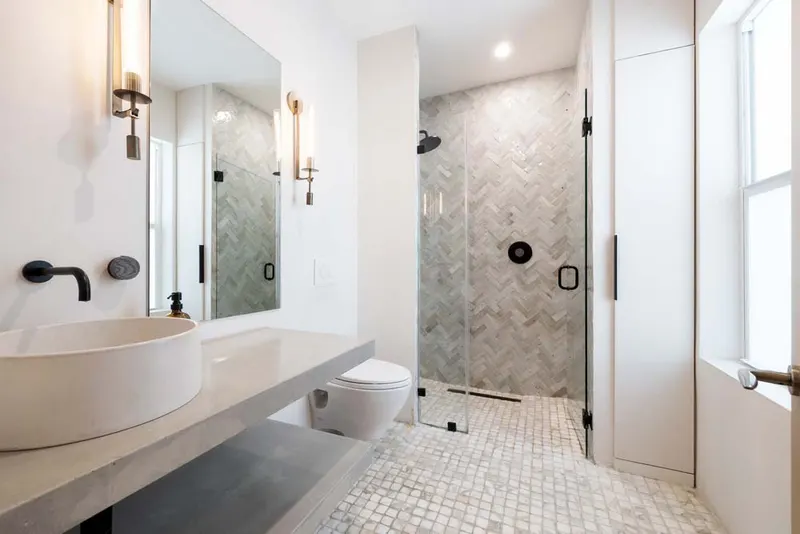 Understanding
Shower Glass Types: Enclosures, Glass and Hardware
A shower enclosure is three decisions stacked together: the frame style, the glass itself and the hardware holding it up. Understanding each one makes it much…
-
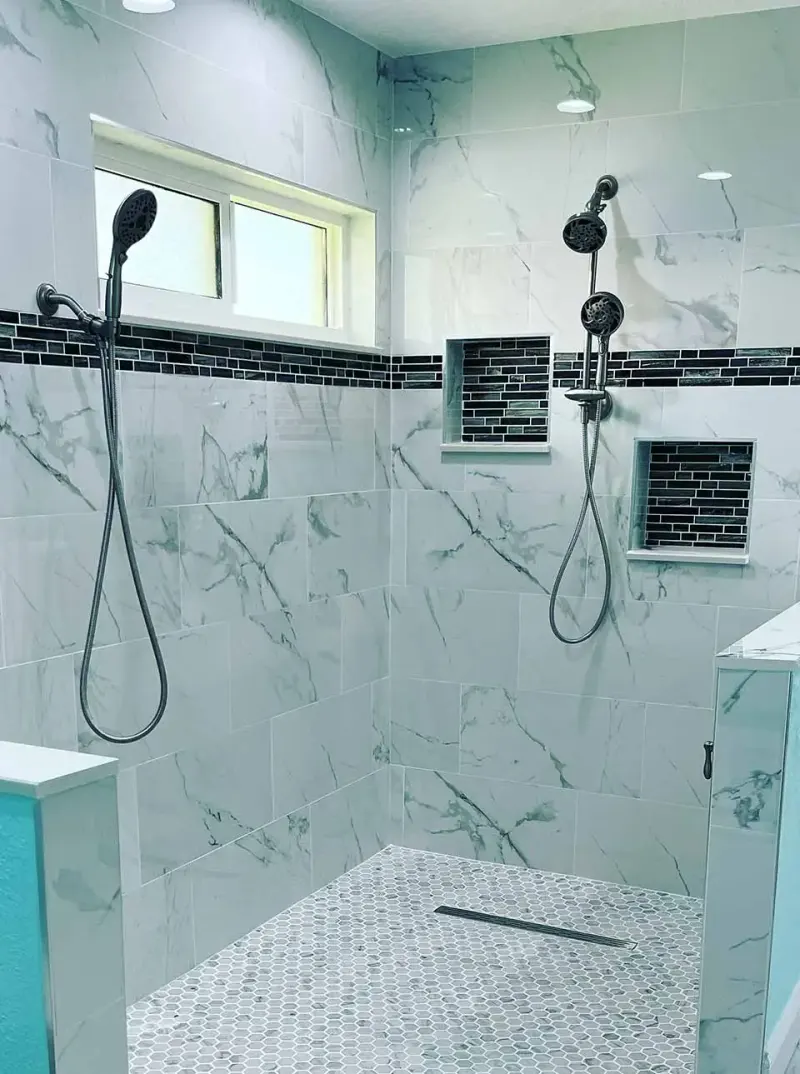 Bathroom Service
Walk-In Shower Installation
A walk-in shower should be easy to enter, comfortable to stand in and simple to keep clean. We design and build curbed, low-threshold and curbless walk-in…
-
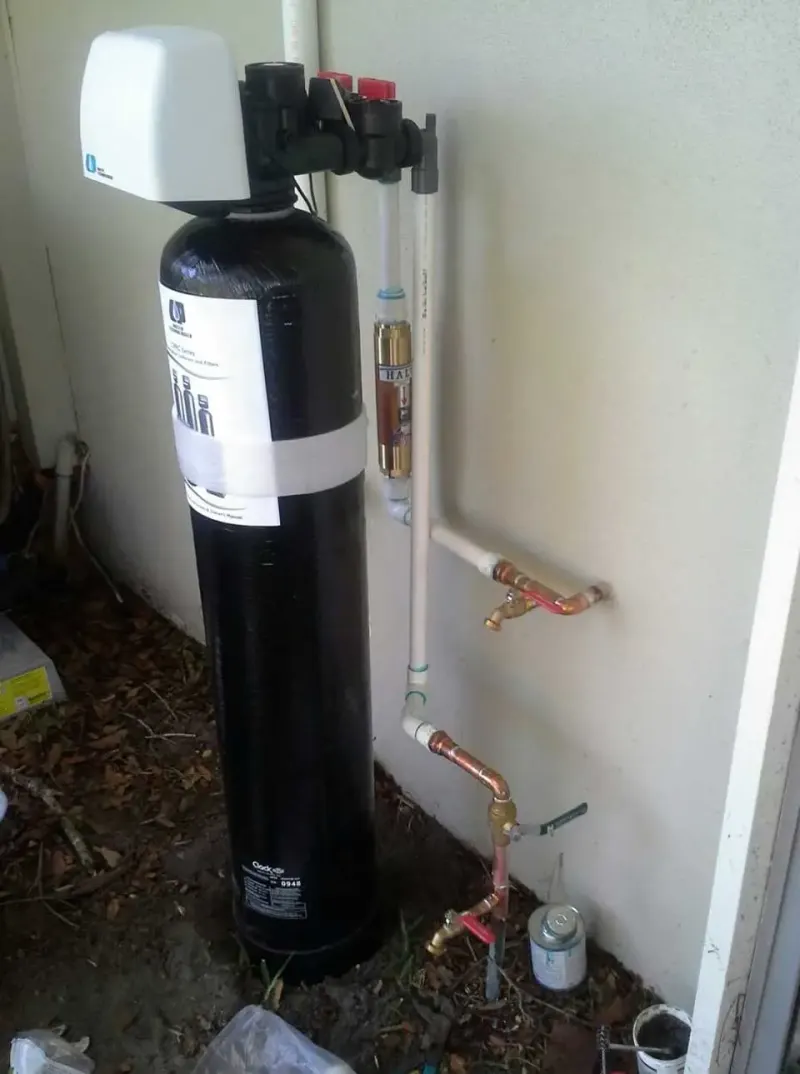
Water Purification Systems
Scale on your shower glass, spots on your dishes and water that tastes of chlorine all have fixes. We help you understand what's in your water,…
-
 Why
Why Hard Water Damages Bathroom Fixtures
The white crust on your shower head and the haze on your glass door are the same thing: minerals left behind when water evaporates. Over time…
-
 Bathroom Service
Shower Remodeling
When a shower leaks, cracks or just looks worn out, a surface fix rarely lasts. We take it back to the framing and rebuild every layer:…