


A toilet looks like the simplest fixture in the room, but the parts you never see (the flange, the seal and the floor under it) decide whether it stays dry and solid for years.
Key takeaways
- Rocking, staining at the base or a sewer smell usually point to the flange, seal or floor, not the toilet itself.
- Measure the rough-in before buying: most homes use 12 inches, but some older homes and condos differ.
- New flooring often leaves the old flange too low, so it's corrected before the toilet is reset.
- Moving a toilet on a slab means trenching the floor, so it's best planned as part of a larger remodel.
Most people call about toilet replacement for one of three reasons: the old one keeps running or clogging, there's a stain or soft spot creeping out from the base, or the whole bathroom is being remodeled and an old fixture would look out of place next to new tile. Whatever brings you to it, the job is the same at heart: take the old unit off, find out what's been going on under it, correct anything that's wrong, and set a new toilet that's level, sealed and solid. We treat the toilet as part of the floor system, not a drop-in fixture.
Signs It's Time for a New Toilet
A running toilet is usually a quick part swap. These signs, on the other hand, generally mean the fixture or what's under it needs attention:
- Rocking or shifting that comes back after the closet bolts are tightened. That usually means the flange is broken or the floor beneath it's uneven or soft.
- Staining, loose grout or lifting tile around the base, which points to a seal that has been leaking slowly, sometimes for a long time.
- Hairline cracks in the tank or bowl. Porcelain cracks don't get better, and a tank crack can let go without warning.
- Frequent clogs with an older, lower-performing bowl design.
- A sewer smell near the fixture, often a failed wax seal or a flange set too low after a past flooring change.
- Outdated color or style that clashes with a new bathroom vanity or floor.
Choosing the Right Toilet
There are more choices than most homeowners expect. These are the decisions that actually change how the toilet works in your room.
Height
Standard-height bowls sit a little lower; comfort-height (sometimes called chair-height or right-height) bowls sit closer to the height of a dining chair. Comfort height is easier on knees and hips and is common in primary suites and in accessible bathroom remodels. For a kids' bath, a standard bowl may be friendlier.
Bowl shape
| Bowl | Strengths | Watch for |
|---|---|---|
| Round front | Shorter projection, fits tight rooms | Slightly less comfortable for many adults |
| Elongated | More comfortable, common in remodels | Adds a couple of inches into the room |
| Compact elongated | Elongated comfort in a shorter footprint | Fewer models to choose from |
In a narrow hall bath, those extra inches can decide whether the door clears the bowl, so we measure before you buy.
One-piece, two-piece or wall-hung
Two-piece toilets are the most common and the easiest to service. One-piece models have no tank-to-bowl joint, which makes them easier to wipe clean. Wall-hung toilets hang the bowl on a steel carrier frame inside the wall, with the tank also concealed in the wall behind an access and flush plate, which leaves the floor open beneath the bowl. They look clean and let you set the seat height where you want it, but they need a thicker wall cavity and framing for the carrier. On a slab-built Florida home, the drain also has to be brought up into the wall, so a wall-hung toilet is best planned during a larger remodel rather than as a quick swap.
Features worth considering
- Water-saving flush. High-efficiency and dual-flush models use less water per flush; check that the bowl design clears well, too.
- Skirted bowl. A smooth side that hides the trapway is much easier to wipe clean.
- Bidet seat. Many electric bidet seats need an outlet near the toilet, which typically requires GFCI protection. That outlet is added by a licensed electrician, and it's easiest to plan before tile goes up.
Rough-in
The rough-in is the distance from the finished wall to the center of the drain. Most homes use a 12-inch rough-in; some older homes and condos have 10- or 14-inch, so we measure before you buy. Buying a toilet with the wrong rough-in leaves it either jammed against the wall or floating out from it. We confirm the measurement before anything is ordered.
What Happens Under the Toilet
This is where a good install differs from a quick one.
The flange
The flange is the fitting that anchors the toilet to the drain. It should be secured to the floor, undamaged, and set at the right height relative to the finished floor. When new tile or plank is added on top of old flooring, the flange often ends up too low, and the wax seal can't compress properly. We use spacers, extension rings or a new flange to bring it to the correct height.
The seal
A standard wax ring works well when the flange is at the right height and the toilet is set once and not moved. Wax-free foam or rubber seals are an option where the flange height is borderline or the toilet may need to come off again. Either way, the toilet should go down level and stay put; shims that are hidden and caulk that's neat keep it from rocking.
The subfloor
Gulf Coast homes are commonly built on concrete slabs, and on a slab the concern is usually a broken flange or cracked tile, not rot. In a second-story bath, a raised floor or some condos, a long-term leak can soften the wood around the drain. If the floor gives under your foot, it has to be repaired before a new toilet goes down. Our article on why bathroom floors feel soft explains what's usually happening down there.
Tip: If you're also replacing the floor, set the toilet after the new flooring is installed, not before. Tile or plank should run under the whole footprint so the toilet sits on the finished surface and the flange height can be matched to it.
Clearances and Layout
Building codes set minimum space around a toilet. Under the IRC, the usual minimum is 15 inches from the center of the toilet to a side wall or obstruction and 21 inches of clear space in front of the bowl. Check local code, because your jurisdiction and condo association may add their own rules. More room than the minimum feels noticeably better, and in a primary suite remodel we often plan generous space or even a separate water closet.
Clearance is also where a lot of small bathroom remodels get creative: a compact elongated bowl, a wall-hung model or a door that swings the other way can turn a cramped corner into a usable one.
Relocating a Toilet
Moving a toilet is a bigger job than replacing one. On a slab, the floor has to be cut and trenched, a new drain run at the correct slope and tied into the existing line, then backfilled and patched before new flooring goes down. Venting has to work for the new location too, and permits are commonly required. It can absolutely be worth it when the current spot blocks a better layout. Our guide on moving a toilet or shower drain walks through what's involved, and how slab plumbing works gives the background.
How We Handle a Toilet Replacement
- Look and measure. We confirm the rough-in, check the flange and floor, and talk through height, shape and style.
- Protect the room. Floors and nearby surfaces are covered before the old fixture comes out.
- Remove and inspect. We pull the old toilet, clean off the old seal and examine the flange and floor underneath.
- Correct problems. Flange repairs, height adjustments or subfloor fixes happen now, with you informed before anything changes the scope.
- Set and connect. The new toilet is set level on a fresh seal, bolted down, connected to a new supply line and shutoff as needed, and tested for leaks.
- Clean up. The room is left clean, and we confirm the toilet flushes, fills and sits solid.
What Affects the Cost
- The toilet itself. Two-piece, one-piece, comfort-height, skirted and wall-hung models vary widely.
- Flange condition. A broken, corroded or too-low flange needs a repair ring, spacer or replacement.
- Floor repairs. Soft subfloor in a raised or upstairs bath has to be cut out and replaced.
- Supply and shutoff. An old, seized shutoff valve is replaced at the same time.
- Relocation or wall-hung conversion. Trenching a slab or building a carrier wall turns a swap into a remodel.
Our guide on bathroom remodel costs shows how a toilet fits a larger project.
Pair It With Other Updates
A toilet replacement is a natural moment to handle the things around it: new bathroom flooring that runs cleanly under the fixture, a fresh baseboard, or a refreshed sink and faucet so everything matches. If you're thinking about a full update, the bathroom remodeling page shows how we plan the whole room. When you're ready, book a free estimate and we'll look at what's going on under your current toilet before recommending anything.
Related Bathroom Services
What Clients Say
“Today's Home Services were very professional and caring about the outcome of our bathroom remodeling. The employees were respectful, friendly and knowledgeable. I will be using them again as we keep updating our home. It was nice to find a honest, hard working contract that will work at a reasonable price!”
— Greg Ferguson
“Today's Home Services did an outstanding job re-grouting my 18 year old bathroom walls and floor. My bathroom looks brand new. The two men who performed the work were friendly, hard-working and extremely professional. It is refreshing to have work done that is hassle free. I intend to use them to re-stain the tile flooring in my home as well.”
— Renee Huntley
Bathroom Remodeling Near You
We remodel bathrooms throughout four Gulf Coast counties. Find the page for your community:
Learn More Before You Start
Toilet Replacement FAQs
How do I know if my toilet needs replacing rather than repairing?
Is a comfort-height toilet right for everyone?
Can you move my toilet to a different spot in the bathroom?
What happens if the subfloor or flange is damaged when you pull the old toilet?
How long does toilet replacement take?
Do you haul away the old toilet?
Keep Exploring
-
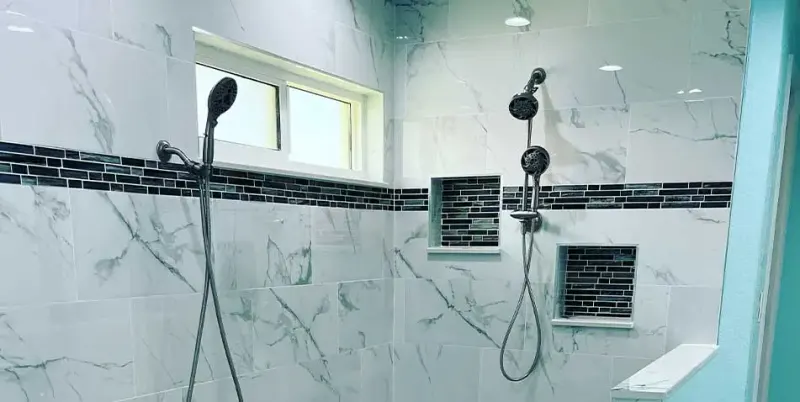
Bathroom Remodeling in Bradenton, Sarasota & the Suncoast
From a tired hall bath to a complete primary-suite rebuild, we plan, demo, waterproof, tile and finish bathrooms across Manatee, Sarasota, Charlotte and south Hillsborough counties,…
-
 Bathroom Service
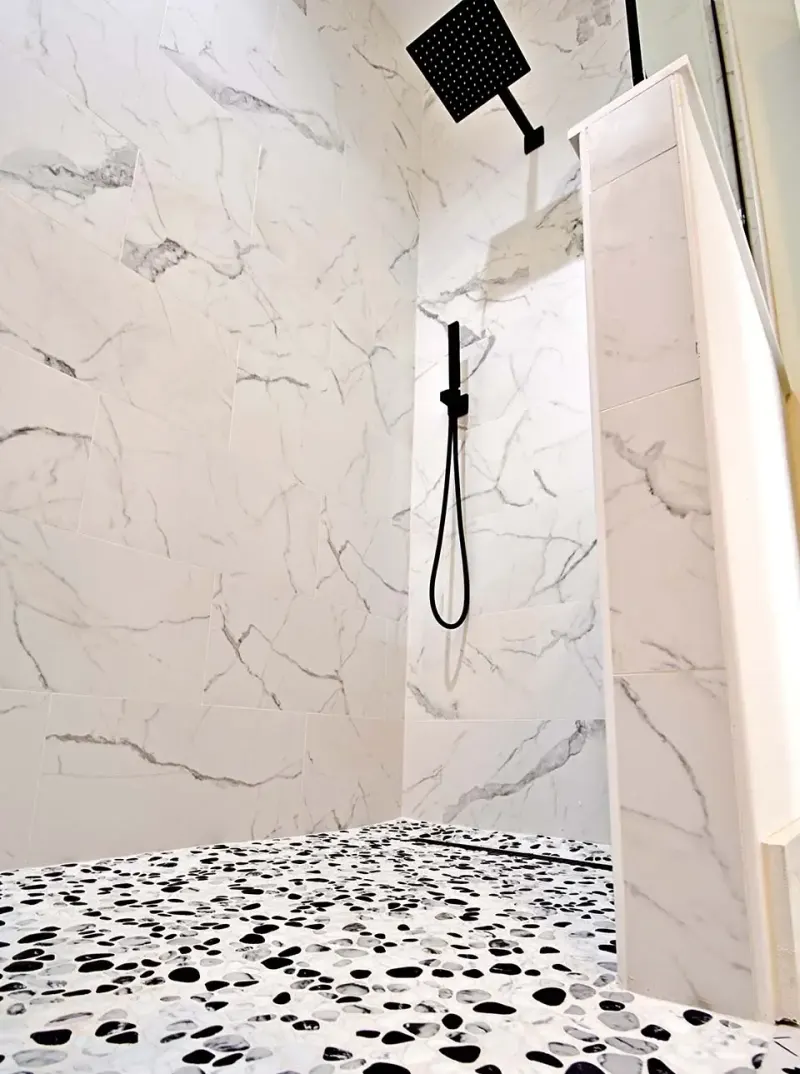
Accessible & Aging-in-Place Bathroom Remodeling
Getting in and out of the shower and on and off the toilet are the moments that matter most. A well-planned accessible remodel makes them safer…
-
 Bathroom Service
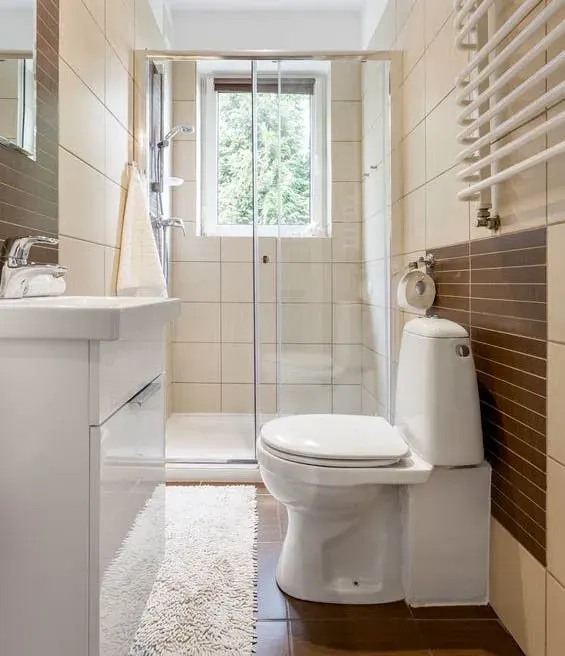
Small Bathroom Remodeling
In a hall, guest or condo bath, a few inches decide whether the door clears the toilet and whether two people can pass at the sink.…
-
 Bathroom Service
Bathroom Flooring Installation
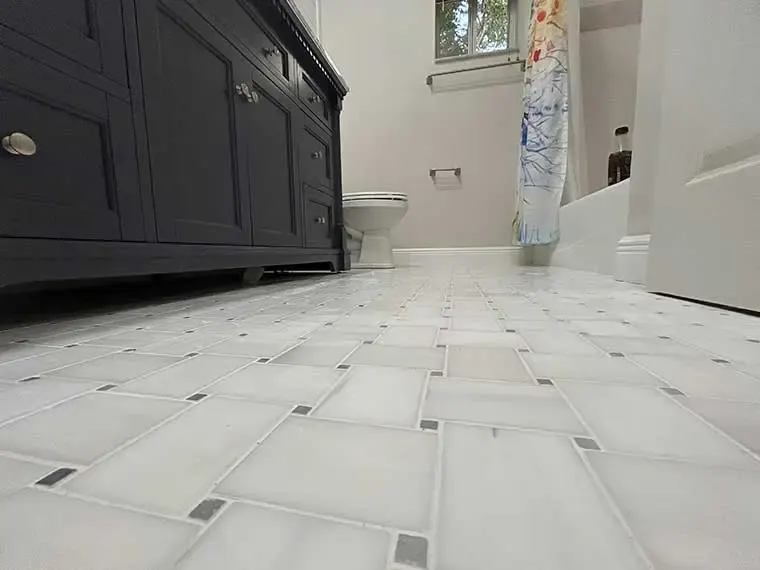
A bathroom floor takes splashes, steam, dropped bottles and daily traffic. We replace it with tile or waterproof vinyl laid over a flat, sound base, with…
-
 Questions
Can You Move a Toilet or Shower Drain?
Usually, yes. On the concrete slabs under most Florida homes, it means cutting and trenching the floor, rerouting drain pipe at the right slope, tying into…