


When a bathroom stops working for you, there are three paths: keep patching, move to a different house, or remodel. Here is why remodeling often comes out ahead.
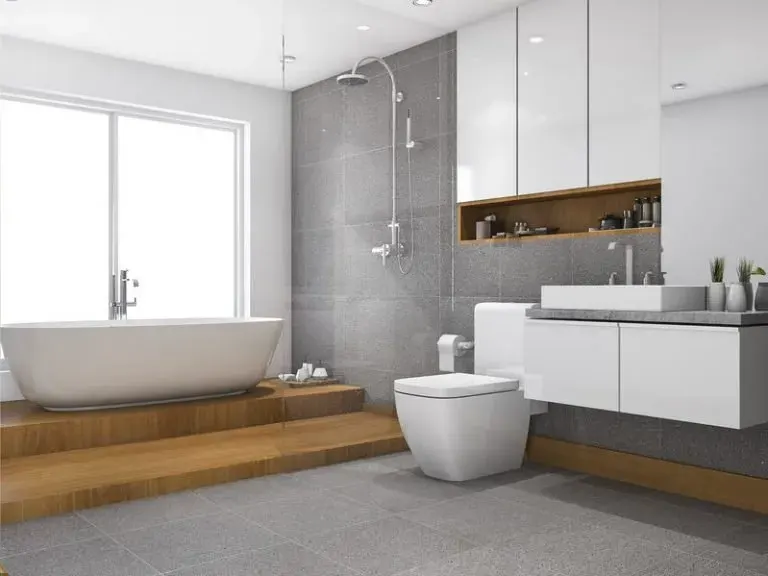
Key takeaways
- A repair is right when the problem is isolated; the third patch of the same leak or crack usually points to failed waterproofing behind the tile.
- Moving trades one bathroom problem for transaction costs and a new house with its own unknowns.
- A remodel opens the walls and floor, so hidden rot, corroded pipes and failed membranes get fixed instead of covered.
- Keeping fixtures where they are avoids cutting the slab and keeps a remodel more economical.
- Remodeling can be planned as a whole and finished in stages if the budget calls for it.
Sooner or later, every bathroom reaches a decision point. The grout won't come clean, a tile pops loose, the vanity drawer finally falls apart, or the tub becomes hard for someone in the family to step into. At that moment you have three choices: keep patching, move somewhere with a better bathroom, or remodel the one you have. If you're on the fence, here's how the remodel vs. repair question (and the option of moving) usually plays out.
Option 1: Keep Patching
Repairs are the right answer for genuinely isolated problems. A worn flapper, a dripping cartridge or a single chipped tile does not justify a remodel. Patching becomes a poor deal, though, when you are treating symptoms of a bigger issue.
Patching treats the symptom, not the cause
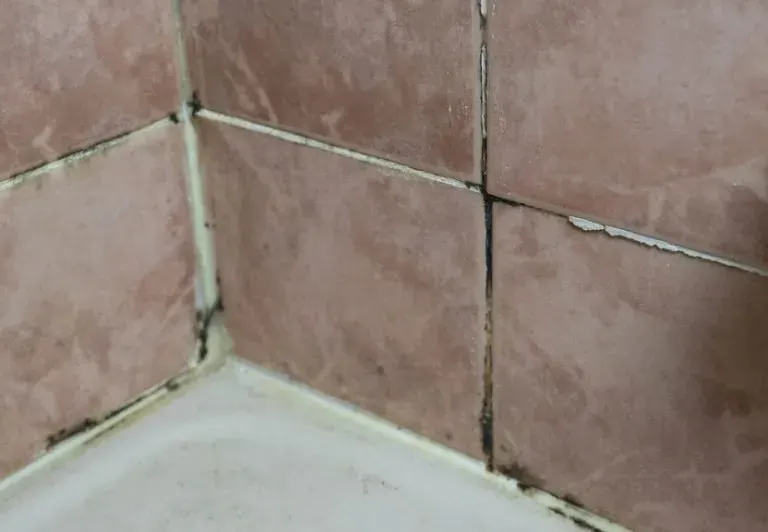
Consider a common story in older Bradenton and Palmetto homes: grout keeps cracking in the tub surround, so it gets regrouted. A year later it cracks again, and now a tile is loose. The real problem is often movement or moisture behind the tile, a backer board that has softened, or a shower built without a reliable waterproofing layer. New grout cannot fix that. Our explainer on why shower tile fails walks through the usual culprits.
Hidden damage keeps spreading
Every patch over a leak buys time while water keeps working on the framing and subfloor. Stains on an adjacent wall, a musty smell or a floor that flexes near the toilet are signs the damage has already moved beyond the surface. Learn more in water damage behind shower walls.
Patches never quite match
Replacement tile from a different production run, a new faucet on an old vanity, a fresh caulk line against yellowed grout: repairs keep the room functional but rarely make it feel better.
Option 2: Move
Some homeowners figure that if the bathroom no longer fits their life, perhaps the house does not either. Occasionally that is true. More often, the bathroom is the main thing that is wrong.
Moving involves transaction costs, the upheaval of packing and relocating, and a new home with its own unknowns, including bathrooms that may need work of their own. Remodeling, by contrast, lets you:
- Keep what you love: your neighborhood, your neighbors, your commute, your yard and the parts of the house that already work
- Fix the specific problem rather than trading it for a different set of compromises
- Choose every detail instead of inheriting someone else's choices
For homeowners who want to stay put as they get older, remodeling is especially compelling. A tub-to-shower conversion with a low entry, blocking for grab bars and a bench can make a house workable for years longer.
Option 3: Remodel
Here is what remodeling offers that the other paths do not.
You solve the root problem once
A remodel removes old materials down to the studs and slab where needed. That exposes and corrects rot, corroded pipes, outdated wiring and failed waterproofing. The new shower is built with modern backer boards, membranes and a correctly sloped pan, so the room starts fresh.
The layout finally works
Repairs rarely change the layout. They won't move a vanity, widen a shower or improve traffic flow. A remodel can rethink the whole room: a more inviting entry, a shower that is easier to step into, better lighting and more storage, along with colors, patterns and designs that reflect your taste.
Money-saving updates come along naturally
Once the room is open, efficient fixtures are easy to include. A low-flow toilet and showerhead reduce water use, LED lighting uses less electricity, and a larger or better-placed window, where practical, brings in natural light. Doing these one by one as repairs costs more in labor.
It improves the home you already own
A remodel also tends to add lasting value, a question our guide on whether a bathroom remodel adds value covers in detail.
A Quick Comparison
| Keep patching | Move | Remodel | |
|---|---|---|---|
| Fixes hidden damage | Rarely | Leaves it for the next owner | Yes |
| Changes layout | No | Gets you a different layout | Yes |
| Keeps your location | Yes | No | Yes |
| Disruption | Small but repeated | High | Concentrated, then done |
| You choose the finishes | Partly | No | Yes |
Repair, Remodel or Move? A 5-Question Check
Answer these before you call anyone. They won't make the decision for you, but they'll show which way you're leaning.
- Is the problem isolated? One dripping faucet or one cracked tile points to a repair.
- Have you patched the same issue twice or more? Repeat failures usually mean the cause sits behind the surface.
- Do you see a soft floor or stains on an adjacent wall? Those are signs water has reached framing or subfloor, which calls for opening the room up.
- Does the layout still work for everyone in the house? If it does, a remodel can keep the plumbing where it is. If nothing about the room can be made to work, that's when moving enters the conversation.
- Do you plan to stay five years or more? Longer stays favor remodeling; a near-term sale is worth discussing with your agent first.
Mostly "yes" to questions 2, 3 and 5 suggests a remodel. Mostly "yes" to question 1 suggests a repair.
Remodeling Doesn't Have to Happen All at Once
One concern that keeps people patching is the idea that a remodel has to be one huge project. It doesn't. Work can be planned as a whole and completed in stages, starting with the shower, then the vanity and floor. Read can a bathroom be remodeled in stages for how that works.
Making the Call
If your bathroom needs a single repair, fix it. If you're on your third patch of the same problem, or the room no longer suits your household, remodeling is usually the smarter long-term move. Our guide to what a bathroom remodel costs explains the factors that set the budget, and a free consultation is the easiest way to see what a bathroom remodel would involve in your space.
Frequently Asked Questions
Should I fix an active leak now if I'm planning to remodel later?
Is it better to remodel or sell a house with an outdated bathroom?
Can I remodel without changing the layout?
Can remodeling fix a bathroom that keeps getting moldy?
Keep Exploring
-
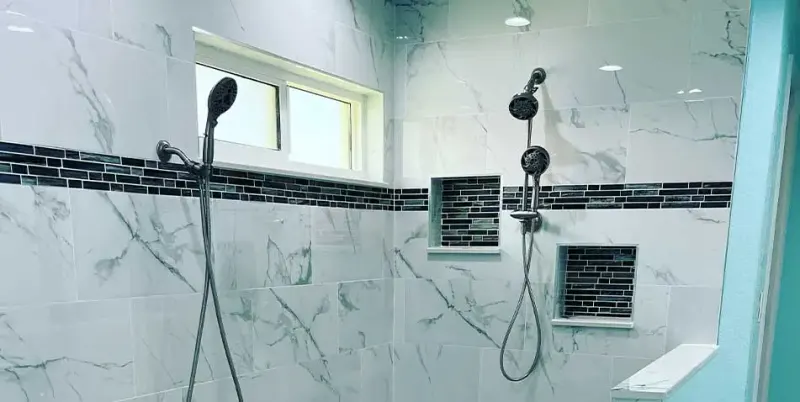
Bathroom Remodeling in Bradenton, Sarasota & the Suncoast
From a tired hall bath to a complete primary-suite rebuild, we plan, demo, waterproof, tile and finish bathrooms across Manatee, Sarasota, Charlotte and south Hillsborough counties,…
-
 Questions
Water Damage Behind Shower Walls: Signs and Next Steps
Loose tile, cracked or darkened grout, peeling paint on the other side of the wall and a musty smell are classic warning signs. Once you suspect…
-
 Why
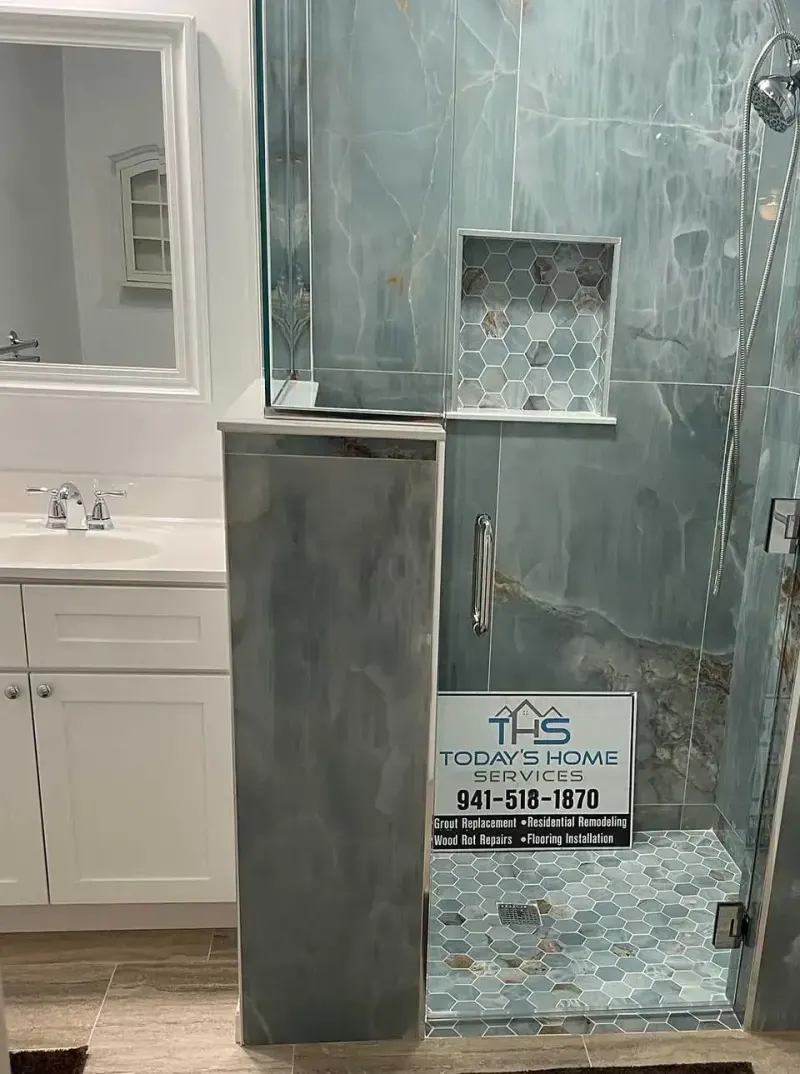
Why Shower Tile Fails (and What It Tells You)
Shower tile rarely fails because the tile itself was bad. It fails because of what's behind and beneath it: the bond, the backer, the pan and…
-
 Bathroom Service
Tub to Shower Conversion
That tub you step over every morning and haven't filled in years can become a roomy, low-entry shower. Here's what changes behind the walls and under…
-
 Questions
Can a Bathroom Be Remodeled in Stages?
Yes. Bathroom work can be done in stages to fit your budget and schedule. The key is planning the whole room first, then doing the work…
-
 Questions
Does a Bathroom Remodel Add Value?
A dated or failing bathroom tends to drag a home's appeal down, and a clean, well-built one removes that objection. Whether a remodel adds more than…