


Epoxy turns plain concrete into a seamless, tough floor that wipes clean and stands up to tools, cleats and spills. Most of its strength comes from what happens before the first coat: grinding, repairs and moisture checks.
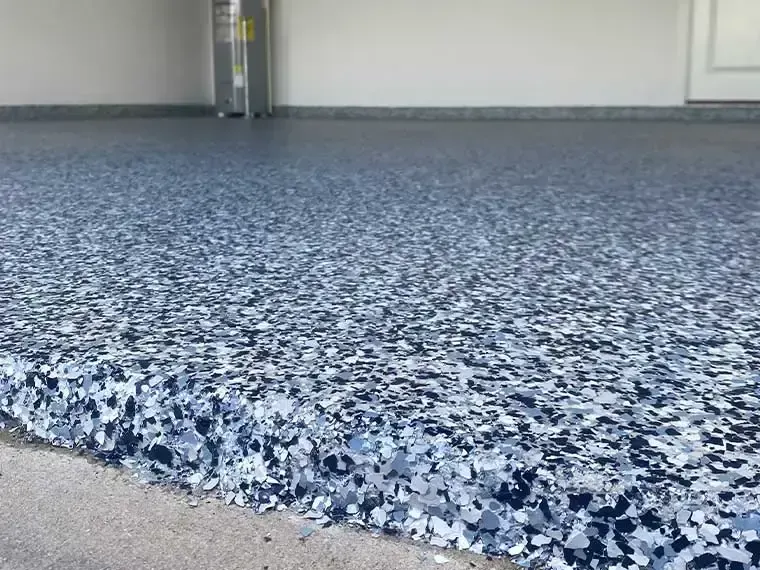
Key takeaways
- Grinding the concrete, not acid etching, gives epoxy the open surface it needs to bond.
- Slab moisture is a common reason coatings blister and lift, so we check it before the first coat.
- Hot tires pull up thin roll-on coatings; a full-build system resists them far better.
- Sunny lanais and open garages need a UV-stable topcoat, and wet areas need an anti-slip texture.
If durability is what matters most, epoxy flooring installation is hard to beat. Epoxy is a two-part resin that bonds to prepared concrete and cures into a hard, seamless surface. The result is a floor that resists stains, chipping and wear, wipes clean with a damp mop, and can look anything from subtle and practical to glossy and dramatic. We also use the same resin systems to coat countertops, covered further down this page.
Who chooses epoxy floors
Carpet, wood, laminate, vinyl and tile each have a place, but some spaces demand more. Epoxy makes sense when:
- Your garage doubles as a workshop or the family mechanic's bay
- Kids and athletes walk in with cleats, sand and sports gear
- You run a home gym, craft room or hobby space where things get dropped and spilled
- You want an easy-clean surface for a laundry or utility room
- Your business needs a durable floor for a showroom, shop or back-of-house area
- You like a modern, seamless look in a living space with a concrete slab
Finish options
Decorative flake
Colored vinyl flakes are broadcast into the wet base coat, then sealed under a clear topcoat. Flake floors hide dust, tire marks and small imperfections in the slab, and the texture adds some grip. It's a common choice for garages.
Solid color
A single color with a smooth or lightly textured finish. Clean and simple, well suited to workshops and utility spaces. It shows dust more readily than flake.
Metallic
Metallic pigments are worked into the resin to create swirls, depth and a stone-like or liquid look. It's a dramatic choice for living areas, offices and commercial showrooms, and each floor comes out unique.
Custom patterns
Borders, color zones and logos are possible with careful planning, which can be handy for marking parking spots or work areas.
The system behind a good epoxy floor
An epoxy floor isn't a single coat of paint. It's a layered system, and surface preparation is the most important layer of all.
1. Assessment
We check the slab for cracks, spalling, old coatings, oil contamination and signs of moisture. Epoxy needs a substrate that's clean, sound and dry. With the right prep and primers, some systems can also go over other substrates, and we'll tell you whether yours is a candidate.
2. Mechanical preparation
We grind the concrete to open its surface so the coating can bond, rather than relying on a quick acid wash. Grinding also removes old sealers and paint.
3. Repairs
Cracks, pits and divots are filled and ground flush. Control joints are handled according to the system, either honored or filled.
4. Primer and base coat
A primer or base coat penetrates and bonds to the concrete. For flake floors, the flakes go down while this layer is still wet.
5. Topcoat
A clear protective topcoat seals everything and sets the final sheen and texture. This is where we choose for UV stability, chemical resistance and slip resistance based on how the space is used.
6. Cure
The floor needs uninterrupted time to harden. Because it must dry and cure fully, epoxy installation has to be scheduled carefully, and we plan it so the disruption to your household is as small as possible.
Gulf Coast conditions we plan for
Moisture vapor
Many Florida slabs, especially in low-lying coastal areas, sit close to groundwater and absorb moisture during the wet season. Moisture rising through concrete is a common reason coatings blister and lift, so we check before we coat and select a primer suited to the slab.
Heat and hot tires
Garages here get very hot. Tires coming in off sun-baked roads can soften and lift weak coatings, which is why we favor properly prepared, full-build systems over thin roll-on kits.
Humidity during the cure
Temperature and humidity affect how resin cures. We watch conditions and schedule application windows accordingly.
Sunlight
Many epoxies amber over time in direct UV. For lanais and garages with doors open often, we typically recommend a UV-stable topcoat.
Professional epoxy system vs. a garage floor kit
Store-bought kits and professionally installed systems both say "epoxy" on the label, but they're built differently.
| Professional system | Typical DIY kit | |
|---|---|---|
| Surface prep | Mechanical grinding to open the concrete | Acid etch or simple cleaning |
| Film thickness | Full-build base and topcoat | Thin roll-on layer |
| Moisture check | Slab tested, primer chosen to suit | Usually skipped |
| Hot-tire resistance | Designed for it | Prone to lifting |
| Repairability | Spots can be ground and recoated | Peeling often spreads |
What affects the cost
Each epoxy floor is priced after we see the slab. These factors make the difference:
- Square footage and the shape of the space
- Slab condition: cracks, spalling and pitting that need repair
- Old coatings, sealers or oil that have to be ground off
- Moisture: slabs that need a moisture-mitigating primer
- Finish: solid, flake or metallic, plus UV-stable or anti-slip topcoats
- Access and scheduling: emptying a full garage and planning the cure time
For how prep and scope drive any remodeling budget, see our guide on what drives remodeling costs.
Tip: Add a light anti-slip additive to the topcoat in garages and entries. Water tracked in from a summer downpour makes any glossy floor slippery.
Epoxy countertops
The same resin technology can give tired countertops a new life. The existing tops are cleaned, sanded and repaired, the room is masked off, and the epoxy is poured and spread in layers to create a seamless, glossy surface in solid colors, marbled effects or metallics. Like a floor, it needs uninterrupted cure time before the counter goes back into use. It's often a faster, lower-cost route than replacing the tops; if you're weighing a coating against new stone, see our quartz and granite countertops page.
Easy maintenance
- Sweep or dust-mop regularly so grit doesn't scratch the topcoat.
- Mop with a mild detergent and water; avoid harsh solvents and abrasive pads.
- Clean up oil, brake fluid and chemicals promptly.
- Put mats under kickstands and jack stands.
- Plan on a fresh topcoat in high-wear areas when the finish starts to dull.
Explore other floors
If epoxy isn't quite right for the room you have in mind, see our flooring installation overview or our tile installation service. For garages, you can have us paint walls and trim at the same time so the whole space feels finished.
Epoxy floors across Manatee, Sarasota, Charlotte and South Hillsborough
We install epoxy floors for homeowners and commercial property owners throughout the four counties we serve. Find your community on our service area page, then schedule a free consultation so we can look at your slab and talk through finishes.
What Clients Say
“Shawn is a great leader who runs a qualified team of hard working individuals who know there stuff. Had done work for me multiple times and over exceeds my expectations everytime”
— Christopher Grieco
“Today's Home Services with Shaun and his crew, he is very knowledgeable about tile and marble and your construction needs. From day one his crew was very polite and professional. They treated us and our home like more than just customers. If you're considering remodeling your home, I definitely would recommend them. They are definitely a five star company.”
— Michael Wojcik
Epoxy Flooring Across the Suncoast
We serve homeowners and property owners in these counties and communities:
Epoxy Flooring FAQs
How durable is an epoxy floor?
Why do some garage epoxy floors peel?
How long before I can use the floor?
Can epoxy go on a lanai or other floor that gets sun?
Is an epoxy floor slippery?
Can epoxy go over cracked concrete?
Keep Exploring
-
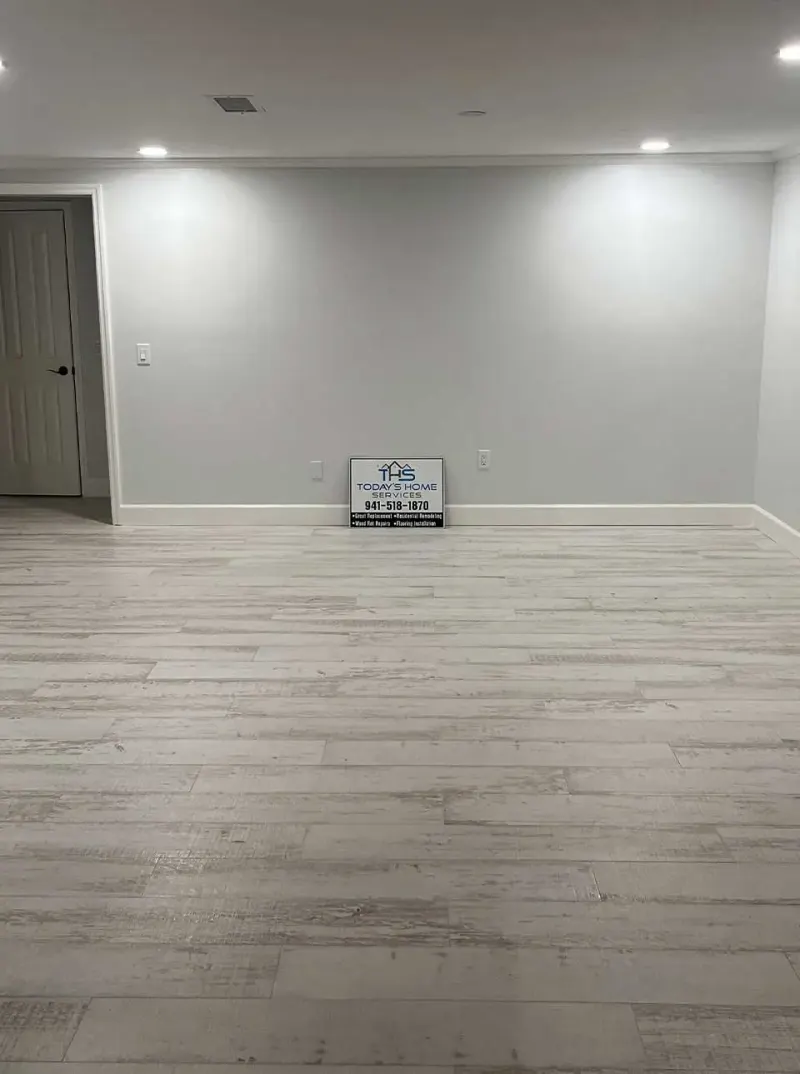
Flooring Installation
Tile, luxury vinyl plank, wood or epoxy: each one shines in some rooms and struggles in others. We help you match the floor to the room,…
-
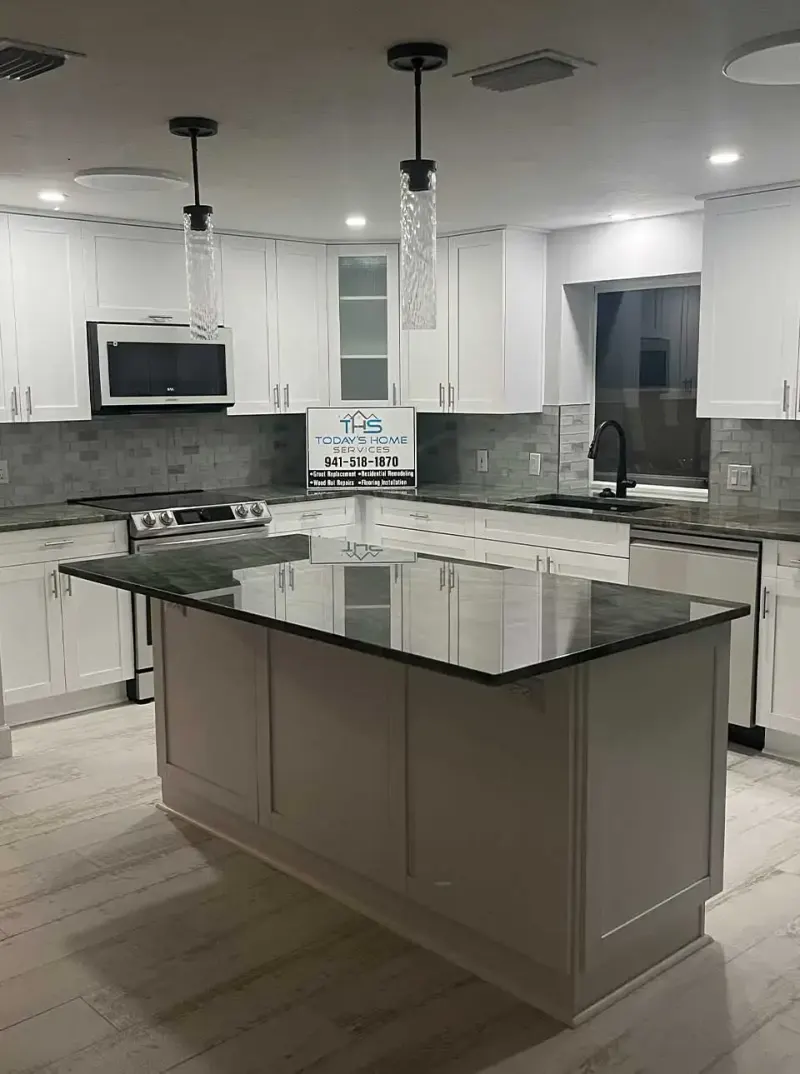
Quartz and Granite Countertops
Your countertop is the hardest-working surface in the house. We help you weigh granite and quartz against how you cook and clean, coordinate the slab and…
-
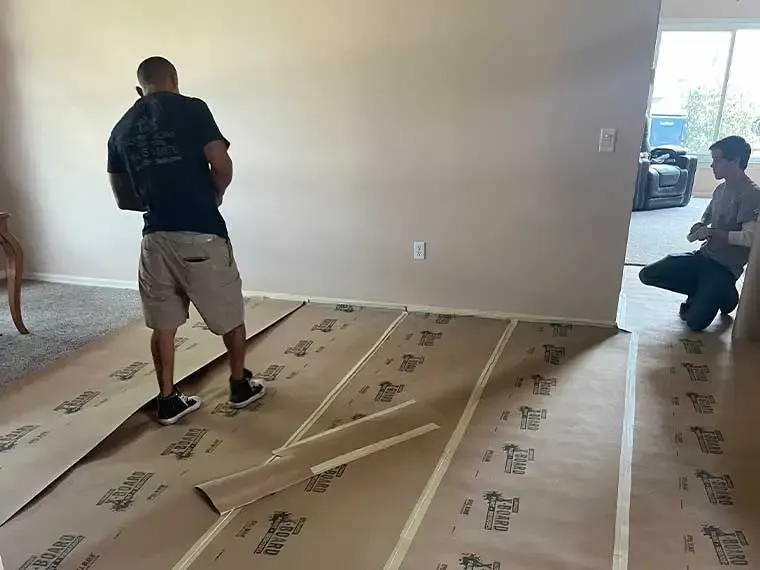
Tile Installation
Good tile work is mostly invisible: flat floors, straight lines, tight even grout joints and no hollow spots. We spend the time on layout and surface…
-
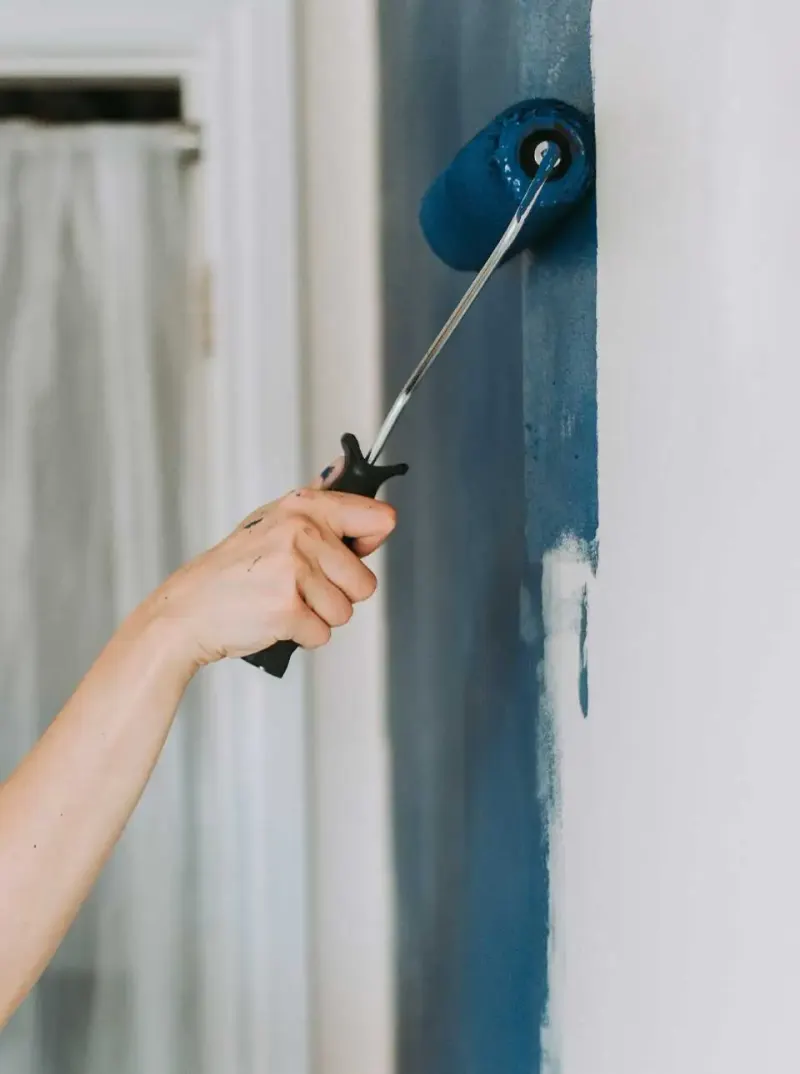
Interior and Exterior Painting
A good paint job is mostly preparation: protecting your belongings, repairing surfaces, priming where needed and choosing a paint that suits the room or the weather.…
-
Areas We Serve Along the Suncoast
From our home base in Bradenton, our crew works across four counties, from the South Shore of Hillsborough down to Punta Gorda. Find your city below,…