


Luxury vinyl plank gives you a wood look that handles spills, pets and Florida humidity. The difference between a floor that feels solid and one that clicks and gaps comes down to slab prep and careful installation.
Key takeaways
- Leveling the slab decides whether a floating vinyl floor feels solid or clicks and gaps at the joints.
- Click-lock, glue-down and peel-and-stick each suit different rooms, so the product sets the method.
- Compare wear layer, core type and attached pad on the spec sheet rather than by thickness alone.
- Vinyl planks resist spills, but water that gets under a floating floor still needs prompt attention.
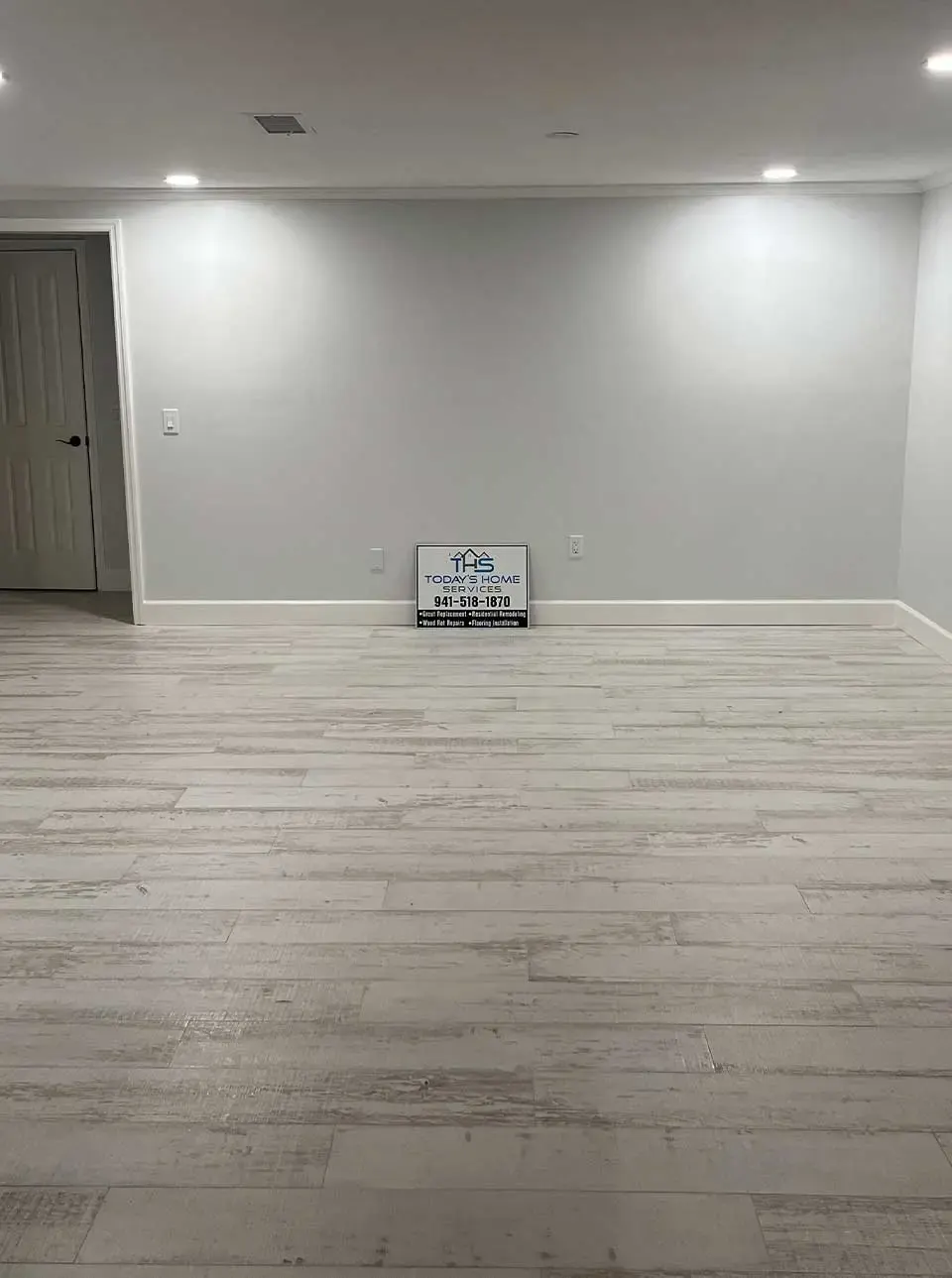
A vinyl plank floor that clicks, gaps or peaks in its first summer was almost always laid over an unprepared slab. Vinyl plank flooring installation done right starts underneath, with a flat, dry base, and then the planks themselves do what they're good at: a convincing wood grain that stands up to daily traffic, cleans easily and feels warmer and quieter underfoot than tile.
Is vinyl plank right for your home?
Vinyl plank is a strong fit if you want:
- A wood look in rooms where real wood would be risky, such as kitchens and laundry rooms
- A floor that pets, kids and sandy feet won't easily ruin
- A softer, quieter surface than tile in bedrooms and living areas
- One continuous floor running through several rooms without thresholds at every doorway
It's less ideal if you want a surface that can be sanded and refinished like hardwood, or a floor that will sit under very heavy built-in furniture without proper planning. Our main flooring installation page compares vinyl with tile, wood and epoxy if you're still deciding.
Three installation methods, and when each one makes sense
Every vinyl product is designed for a specific installation method. Our installers handle all three, so you can choose your floor by look and performance rather than by what an installer is comfortable with.
| Method | How it works | Where it fits |
|---|---|---|
| Click-lock (floating) | Planks lock together edge to edge and float over an underlayment; nothing is glued to the slab | Most homes; living areas, bedrooms, kitchens |
| Glue-down | Thinner planks are adhered directly to a prepared slab with flooring adhesive | Commercial spaces, rooms with heavy rolling loads, very large open areas |
| Peel-and-stick | Planks with factory adhesive are pressed onto a clean, smooth substrate | Small rooms, closets, budget refreshes |
How to compare vinyl plank products
Two planks that look identical in a showroom can perform very differently. These are the specs worth reading on the product sheet:
| Spec | What it is | What it means for you |
|---|---|---|
| Wear layer | The clear top coat over the printed design | A thicker wear layer resists scratches and scuffs longer; check the spec sheet and the residential or commercial rating |
| Core type | Stone-plastic composite (SPC) or wood-plastic composite (WPC) | SPC is denser and bridges small floor imperfections; WPC is a bit softer and warmer underfoot |
| Attached pad | Underlayment bonded to the back of the plank | Saves a step and adds some sound control, but rules out adding a separate pad |
| Plank length and width | The size of each board | Longer, wider planks look more like real wood but demand a flatter slab |
| Installation method | Click-lock, glue-down or peel-and-stick | Must match the room, the substrate and the manufacturer's instructions |
We'll explain the tradeoffs for the specific products you're considering.
How we install vinyl plank
1. Starting with the floor underneath
Every vinyl installation starts with the existing floor. Whether we're working on a bare slab or over old flooring, we remove what has to go, scrape adhesive ridges, and check flatness with a long straightedge. Leveling is the step that decides how the floor will feel. Floating floors flex over dips, which strains the locking joints and leads to clicking, gaps or broken tabs. We grind high spots and fill low spots with patching or self-leveling compound.
2. Moisture protection
Concrete slabs can release moisture, especially in our wet season. Depending on the product, we install the vapor barrier or underlayment the manufacturer specifies. Some planks have pad attached; others require a separate layer. Getting this right protects the floor and keeps you within the product's installation requirements.
3. Layout and cutting
We plan the layout so the planks run in the direction that suits the room and the light, with joints staggered randomly so no repeating pattern or "stair step" shows. Planks from several boxes are mixed to blend natural color variation. We undercut door jambs so planks slide neatly beneath them, and we make clean cuts around floor vents, cabinets and baseboards.
4. Expansion gaps and transitions
Floating vinyl needs room to move. We leave the expansion gap the manufacturer calls for at walls and fixed objects, hide it under baseboard or shoe moulding, and use transition strips where the floor meets tile, carpet or a sliding door track. Very long runs may need a break according to the product's limits.
5. Trim and finishing
Baseboards or shoe moulding go back on to cover the gap and give a crisp finished edge. If your old baseboards are damaged or short, it's a good moment to upgrade; see our trim and moulding installation service.
What affects the cost
Vinyl plank is priced after we measure and check the slab. The main factors:
- The product itself: wear layer, core type and attached pad.
- Square footage and the number of rooms, closets and doorways to cut around.
- Removal: pulling up carpet is quick; old tile or glued-down flooring takes longer.
- Leveling: how much grinding and self-leveling compound the slab needs.
- Stairs, transitions and trim: stair nosing, thresholds and new baseboards or shoe moulding.
Our guide on what drives remodeling costs explains how prep and scope affect any project.
Florida-specific considerations
Sun and heat
Rooms with big south- or west-facing sliders and windows can get hot at floor level. Vinyl expands with heat, so in sunny rooms we pay extra attention to expansion space and to the manufacturer's guidance on direct sunlight. Window treatments help both the floor and your cooling bill.
Humidity and air conditioning
Vinyl is far more stable than wood in humid air, but most manufacturers still want the product acclimated in a climate-controlled space before installation. If a home will be closed up for months, such as a seasonal residence, it's worth asking how the product handles temperature swings with the AC set high.
Kitchens, laundry rooms and baths
Vinyl is a popular choice in all three. Around tubs and toilets, the edges need sealing and the details matter. Our bathroom flooring page covers wet-area installation, and our guide to bathroom flooring materials compares vinyl with tile in wet rooms.
Tip: Avoid rubber-backed mats on vinyl plank. Some backings can react with the vinyl and leave stains. Use mats labeled safe for vinyl floors.
Keeping your vinyl floor looking new
- Sweep or vacuum often; grit is what dulls the wear layer.
- Put felt pads under chairs and furniture, and use doormats at entries.
- Wipe up spills promptly and avoid flooding the floor when mopping.
- Use only cleaners the manufacturer recommends; avoid wax and harsh solvents.
Where we install vinyl plank
We install vinyl plank in homes from Bradenton and Lakewood Ranch to Sarasota and North Port; see every community we serve on our service area page. If wood is still on your mind, compare it on our wood flooring installation page.
What Clients Say
“My house was replumbed last year due to cast iron pipes. Today's Home Service did an awesome job remodeling both bathrooms. I have more updates and maintenance in mind for my home. It gives me peace of mind to have found a company I can trust to help me with everything.”
— Helen Downs
“These guys are awesome they've worked at both my houses and they've also taken care of my parents home as well. These are the only ones I would refer to anyone”
— Wedding Stuff
Vinyl Plank Flooring Across the Suncoast
We serve homeowners and property owners in these counties and communities:
Learn More Before You Start
Vinyl Plank Flooring FAQs
Can vinyl plank go over my existing tile floor?
Is vinyl plank really waterproof?
Will you help me choose a vinyl plank product?
Can vinyl plank go on stairs?
Can you install vinyl plank in a bathroom?
Keep Exploring
-
Flooring Installation
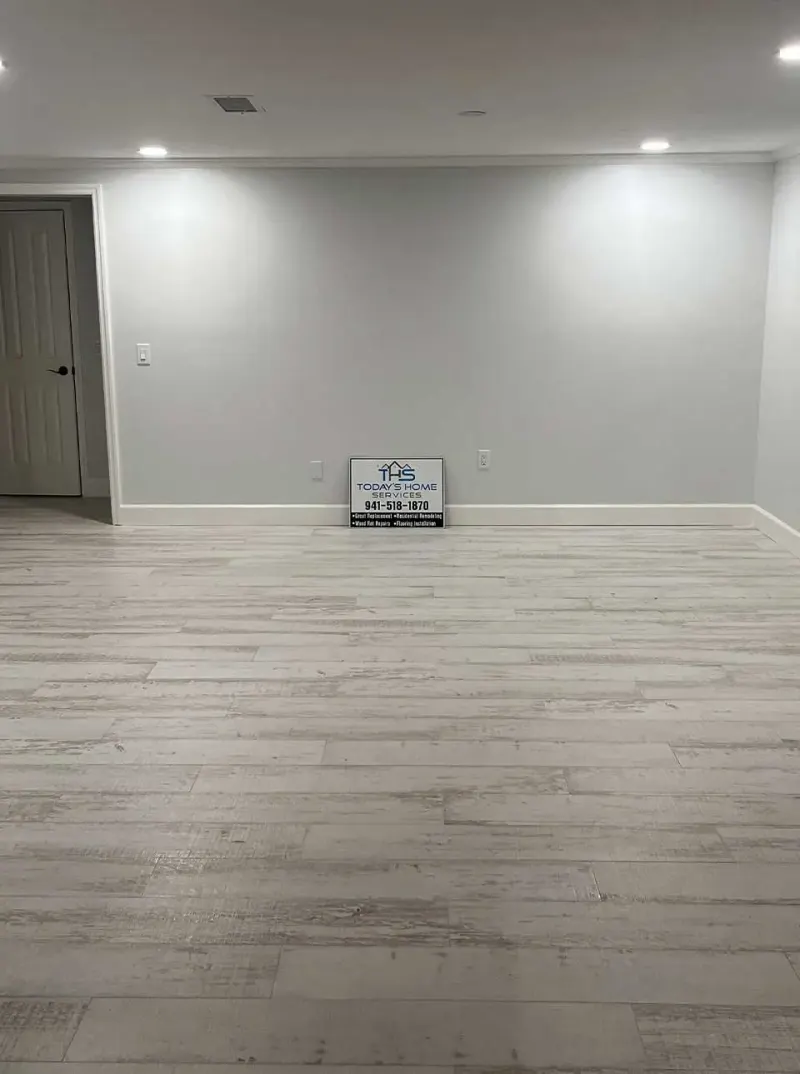
Tile, luxury vinyl plank, wood or epoxy: each one shines in some rooms and struggles in others. We help you match the floor to the room,…
-
Wood Flooring Installation
Real wood brings warmth no other floor quite matches. In a humid climate on concrete slabs, it also asks for the right product and careful installation.…
-
Interior Trim and Moulding Installation
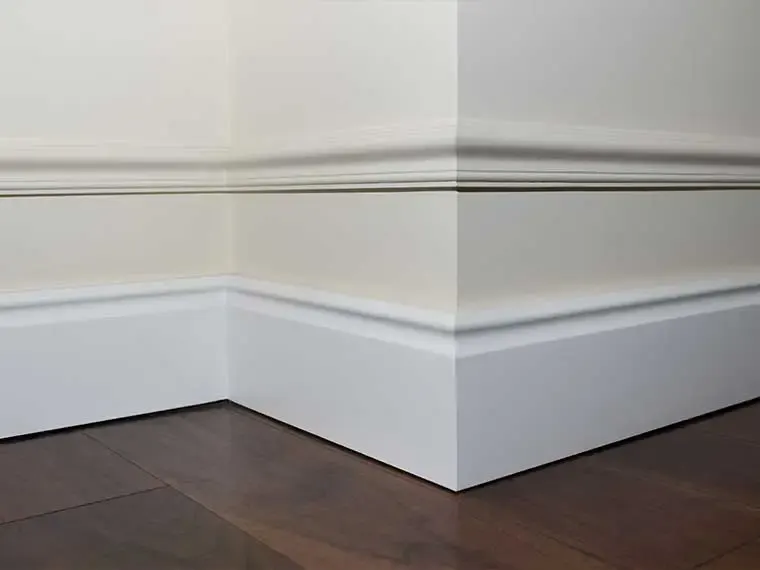
Trim is the detail that makes a room look finished. Baseboards, casings, crown and wall mouldings hide uneven edges, protect walls and give plain rooms real…
-
 Bathroom Service
Bathroom Flooring Installation
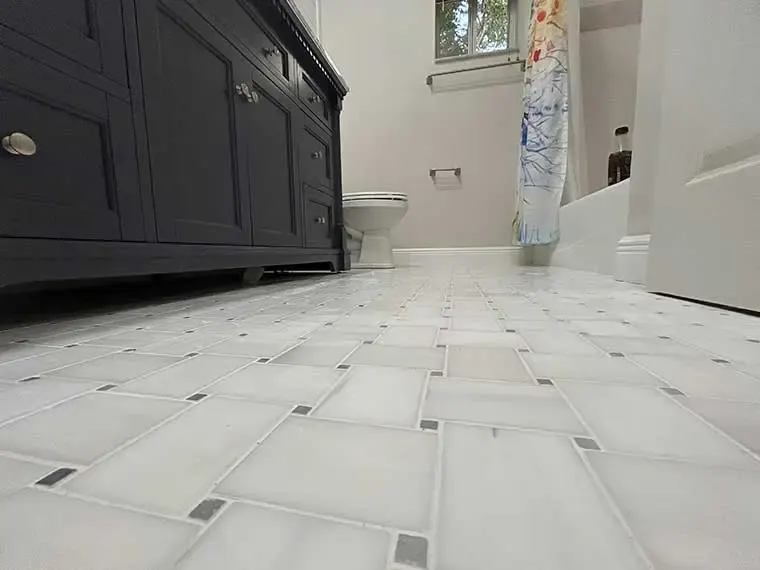
A bathroom floor takes splashes, steam, dropped bottles and daily traffic. We replace it with tile or waterproof vinyl laid over a flat, sound base, with…
-
 Understanding
Bathroom Flooring Materials Compared
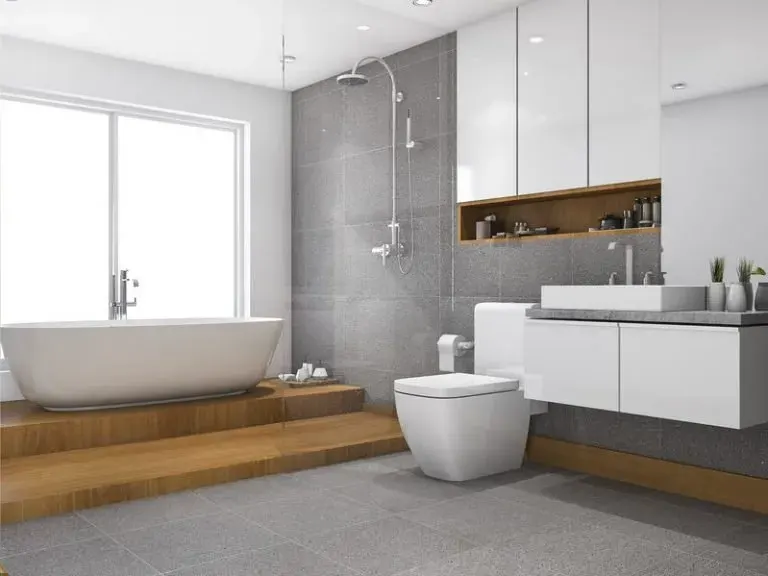
A bathroom floor gets splashed, dripped on and walked across barefoot. The right material balances water resistance, grip, comfort and looks, and the labels on the…
-
Areas We Serve Along the Suncoast
From our home base in Bradenton, our crew works across four counties, from the South Shore of Hillsborough down to Punta Gorda. Find your city below,…