


Chipped enamel, a tub that's too shallow to soak in, or a dated color you can't paint over: replacing the tub fixes all of it. We remove the old one, repair what's underneath and install a tub built for how you bathe.
Key takeaways
- Removing an alcove tub disturbs the surround, so tub and surround replacement nearly always go together.
- Old cast iron tubs are usually broken up in place because they won't fit back out through the door.
- Refinishing or covering a tub improves the surface but can't fix rot, leaks or a failing surround.
- Deep soaking tubs call for a check of floor framing, water heater capacity and step-in height.
Not everyone wants to give up their tub. If you have young kids, if a long soak is how you unwind, or if the bathroom simply needs one, the answer to a worn-out tub is a better tub. Bathtub replacement at Today's Home Services covers the whole job: getting the old tub out (which is sometimes the hardest part), fixing whatever has been hiding underneath, setting the new tub level and solid, and rebuilding the surround so it stays watertight.
If you've already decided to remove the tub and put in a shower, our tub-to-shower conversion page is the better fit. Still deciding? The guide article replace the tub or convert to a shower? lays out the trade-offs.
Signs It's Time for a New Tub
- The finish is chipped through to the base, or rust is showing.
- The tub flexes or creaks when you step in.
- Caulk and grout along the tub keep failing, or there's staining on the floor or ceiling below.
- It's too shallow to soak in, or too high to step over comfortably.
- The color dates the whole room and can't be cleaned or painted away.
Replace, Refinish or Cover?
| Option | What it fixes | What it doesn't fix |
|---|---|---|
| Refinish the tub | A worn or dated finish on a sound tub | Leaks, rot, a failing surround, flex or the wrong size |
| Cover with a liner | The look of the tub, and sometimes the walls | Anything hidden behind or under it, which stays sealed in |
| Replace the tub and surround | Finish, fit, support, drain, valve and waterproofing all at once | Nothing is hidden; it takes longer and involves demolition |
Refinishing or covering can make sense when the tub and walls are sound and you just want a fresh surface. If there's soft framing, a leaking drain, loose tile or a tub that's simply the wrong shape for you, a full replacement is the only option that deals with the cause.
Tub Styles We Install
| Style | How it's installed | Where it works well |
|---|---|---|
| Alcove | Three sides against walls, with a tiling flange; usually doubles as a tub-shower | Hall baths, kids' baths, most standard five-foot spaces |
| Drop-in | Set into a framed and finished deck, often tiled | Primary baths with room for a platform, corner or under-window placements |
| Freestanding | Stands on its own, with the drain and filler exposed or floor-mounted | Larger primary baths where it can be a focal point |
| Soaking | Deeper basin, available in alcove, drop-in or freestanding forms | Anyone who wants a full-depth bath |
Tub materials vary, too: acrylic, enameled steel, cast iron and solid-surface or composite options each feel and wear differently. Our guide to types of bathtubs compares them so you can choose with confidence.
Getting the Old Tub Out
This is where tub replacement differs most from other bathroom jobs. Many older Florida homes have cast iron or steel tubs that were set in place before the drywall and tile went up. They often won't fit through the bathroom door, and cast iron is very heavy.
- Cast iron tubs are typically broken into pieces in place. We protect the floor, the vanity and the doorway, contain the debris, and carry it out by hand.
- Steel tubs are lighter and can usually be cut or removed in one piece once the surround is open.
- Acrylic and fiberglass tubs come out more easily, but they're often attached to old adhesive or a mortar base that has to be cleaned up.
Removing an alcove tub means opening the wall around it, because the tub's flange sits behind the backer board and tile. That's why tub replacement and surround replacement nearly always go together.
What We Find Under Old Tubs
Once the tub is out, we can see the floor and the bottom of the walls for the first time in years. Common discoveries in older Suncoast homes include:
- Rotted bottom plates and studs from years of slow leaks at the tub-to-tile joint
- A corroded drain and overflow assembly
- Old mortar, debris or gaps under the tub where it was never properly supported
- In raised-floor or upstairs bathrooms, soft subfloor around the drain
We'll show you what we find, explain the repair and agree on any changes before going further. It's common enough that our guide explains why estimates can change after demolition.
Setting the New Tub Right
A tub that rocks, flexes or creaks will eventually crack its finish or break the seal at the wall. We:
- Check that the floor is level and make corrections where needed.
- Support the tub as its manufacturer specifies, often on a mortar or foam bed, so the bottom is fully supported when filled.
- Install a new drain and overflow, and a new valve and spout when the wall is open.
- Fasten the flange to the studs per the manufacturer's directions.
- Test for leaks before anything is closed up.
For a drop-in tub, we frame the deck to the tub's dimensions, add access for the plumbing where practical, and finish the deck with tile or stone. For freestanding tubs, the drain usually has to move to suit the new tub, and the filler may be wall- or floor-mounted, which in a slab home means planning the plumbing route before the floor is finished.
Rebuilding the Tub Surround
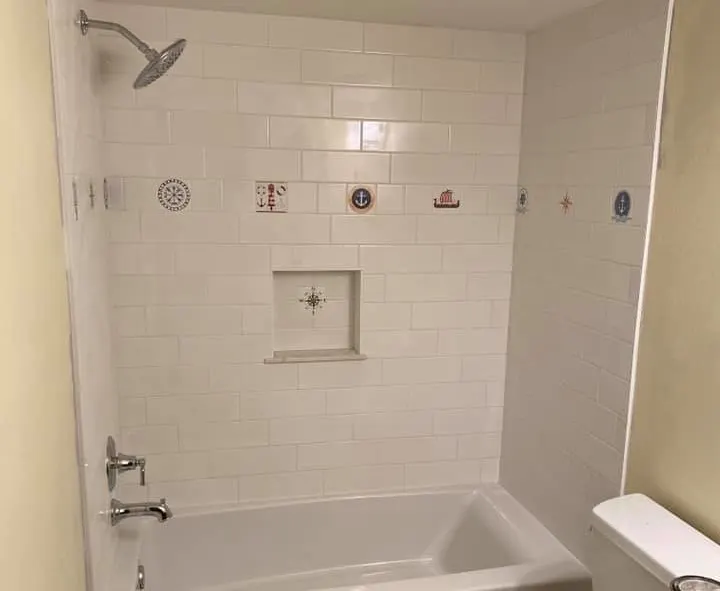
The surround is where most old tub-showers fail, and it's where a replacement earns its keep. Above the new tub, we install cement board or foam board rather than drywall, apply a waterproofing membrane that laps over the tub flange, and then tile. A few details make a big difference:
- The bottom row of tile stops just above the tub deck, with a flexible sealant joint instead of grout, because the tub moves slightly when it fills.
- A recessed niche can replace the corner caddy; our walk-in shower page explains how we build shower niches.
- Blocking goes in for a grab bar, which helps getting in and out of a tub even if you don't need it today.
Our bathroom tile page goes deeper into surround layouts, trim pieces and accent bands. If you'd like glass instead of a curtain, a sliding door or a fixed splash panel can be added once the tile is done; see our glass shower doors page.
A Few Practical Considerations
- Weight. A large soaking tub filled with water and a person is heavy. On a slab, that's rarely an issue; on an upper floor, we look at the framing.
- Hot water. A deep tub needs enough hot water to fill it. If your water heater is small, you may run out partway through.
- Step-in height. Taller sides mean a deeper soak but a higher step. Think about everyone who will use the tub.
- Hard water. Many Gulf Coast homes have hard water that leaves scale on tub finishes and fixtures. A water purification system makes cleanup easier.
Choosing a Tub You'll Actually Use
Before picking a model, sit in a few if you can. Notice where your back rests, whether your feet reach the far end, and how easy it's to stand up again. A tub with a sloped backrest and the drain at the opposite end is far more comfortable for soaking than one with straight walls. If the tub will double as the household shower, a flatter, wider bottom gives you steadier footing, and a slip-resistant surface is worth asking about. Finally, think about cleaning: freestanding tubs need space behind them for a mop or cloth, and drop-in decks collect water at the edges unless they're sloped slightly toward the tub.
Part of a Bigger Plan?
Tub replacements often happen alongside new floors, a vanity or a full bathroom remodel. If you're planning a primary suite with a separate tub and shower, our master bathroom remodeling page covers that kind of project.
What Affects the Cost
- Removal. Breaking up and carrying out a cast iron tub takes more labor than pulling an acrylic one.
- Tub type and material. Alcove, drop-in, freestanding and soaking tubs in acrylic, steel, cast iron or composite vary widely.
- Drain and valve changes. A freestanding tub or a new tub location means moving the drain, which on a slab means cutting concrete.
- Surround. Tile choice, a niche, an accent band and glass all add to the surround.
- Hidden damage. Rotted plates, studs or subfloor under an old tub must be repaired first.
Our guide on bathroom remodel costs shows how a tub replacement fits a larger budget.
Tell us what you'd like your next bath to feel like, and we'll price the replacement and surround together in a free estimate.
Related Bathroom Services
What Clients Say
“Today's Home Services with Shaun and his crew, he is very knowledgeable about tile and marble and your construction needs. From day one his crew was very polite and professional. They treated us and our home like more than just customers. If you're considering remodeling your home, I definitely would recommend them. They are definitely a five star company.”
— Michael Wojcik
“Today's Home Services were very professional and caring about the outcome of our bathroom remodeling. The employees were respectful, friendly and knowledgeable. I will be using them again as we keep updating our home. It was nice to find a honest, hard working contract that will work at a reasonable price!”
— Greg Ferguson
Bathroom Remodeling Near You
We remodel bathrooms throughout four Gulf Coast counties. Find the page for your community:
Learn More Before You Start
Bathtub Replacement FAQs
How long does a bathtub replacement take?
Can I keep my tub and just replace the surround?
Can a freestanding tub go where my alcove tub was?
Will a deeper soaking tub fit in my existing space?
Keep Exploring
-
Bathroom Remodeling in Bradenton, Sarasota & the Suncoast
From a tired hall bath to a complete primary-suite rebuild, we plan, demo, waterproof, tile and finish bathrooms across Manatee, Sarasota, Charlotte and south Hillsborough counties,…
-
 Understanding
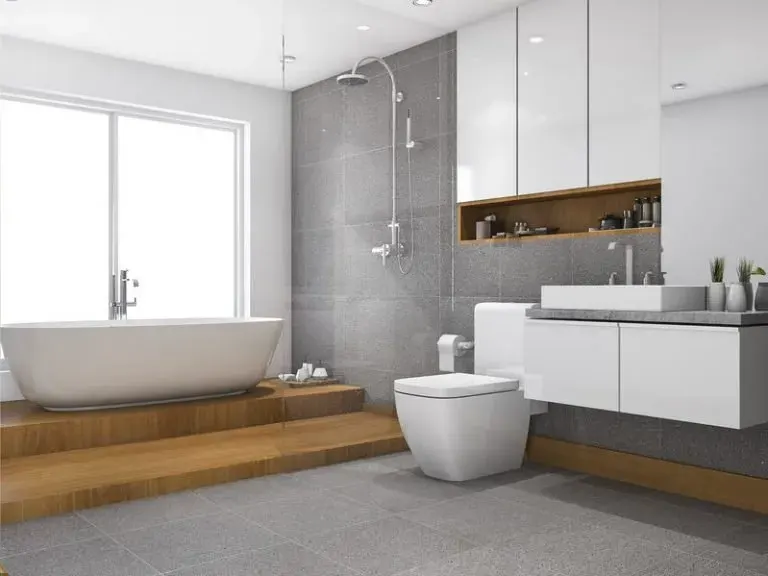
Types of Bathtubs: Styles and Materials
Bathtubs are sorted two ways: by how they are installed and by what they are made of. Knowing both helps you find a tub that fits…
-
 Bathroom Service
Tub to Shower Conversion
That tub you step over every morning and haven't filled in years can become a roomy, low-entry shower. Here's what changes behind the walls and under…
-
 Bathroom Service
Master Bathroom Remodeling
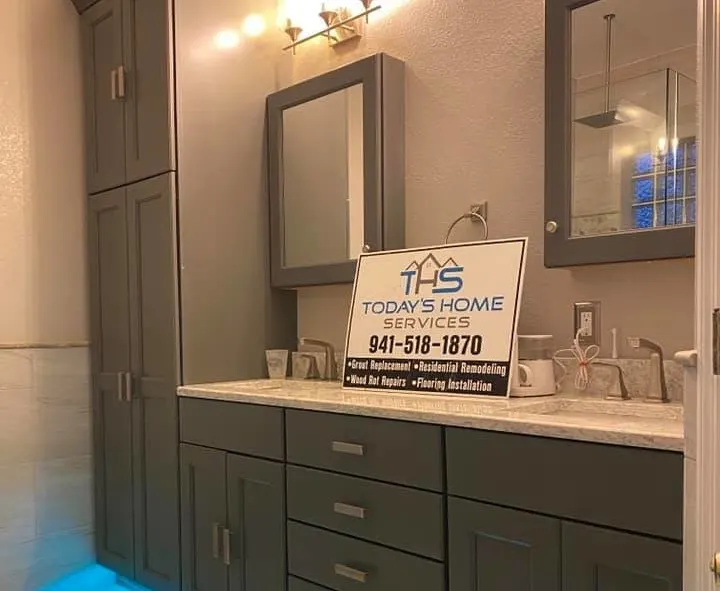
A primary suite bathroom has to serve two people on two schedules and still feel like a retreat at the end of the day. Getting there's…
-
 Questions
Replace the Tub or Convert to a Shower?
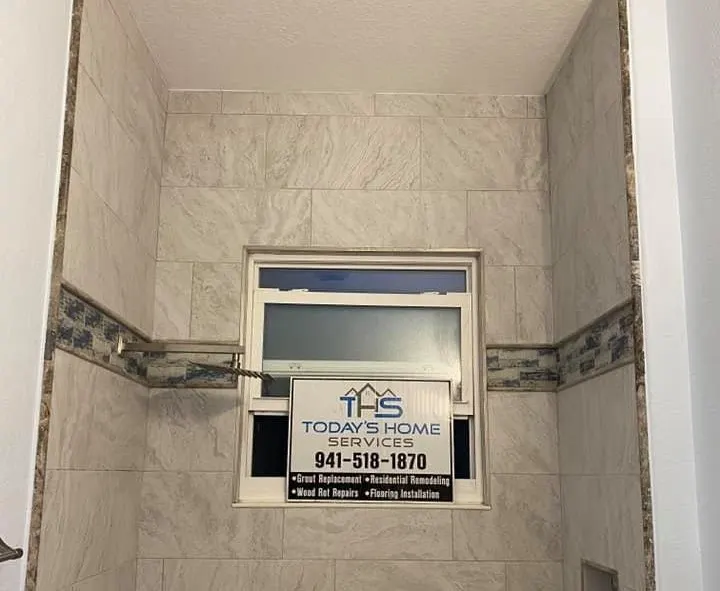
If nobody in the house takes baths and stepping over the tub wall is a chore, a conversion usually makes sense. If it's the home's only…
-
 Bathroom Service
Bathroom Wall & Shower Tile Installation
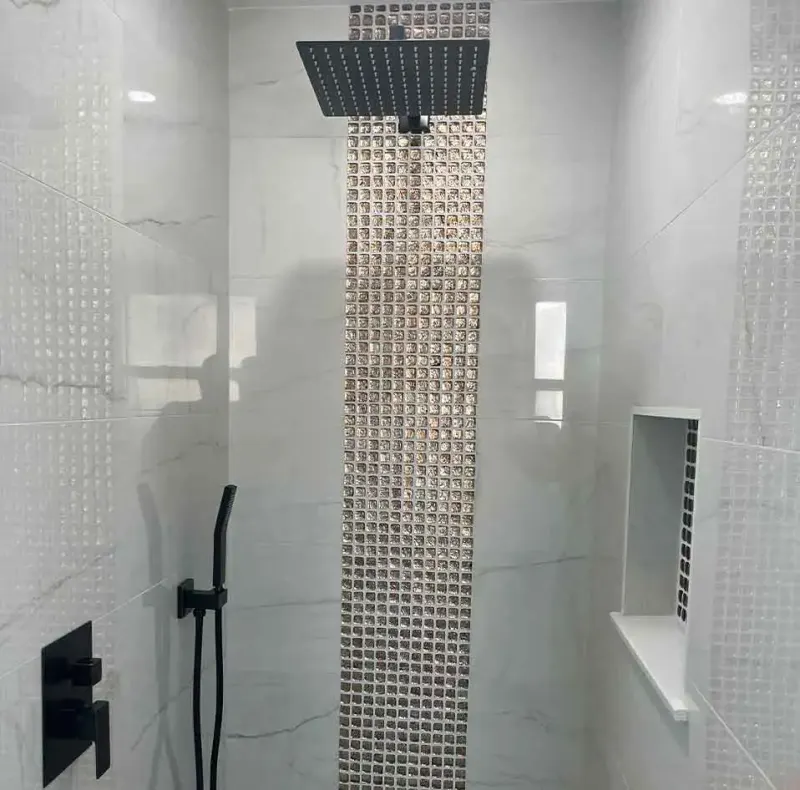
Good tile looks effortless because the hard thinking happened before the first piece went up. We plan every wall, edge and niche so your shower and…