


An estimate is written from what a contractor can see. Demolition reveals what nobody could see. How that gap is handled, on paper and in conversation, says a lot about who you've hired.
Key takeaways
- Every estimate assumes the studs, subfloor, plumbing and wiring are sound; demolition is when those assumptions get tested.
- Hidden water damage behind showers and around toilets is the most likely discovery in an older bathroom.
- A fair change is shown to you, explained with options and signed as a written change order before the work goes ahead.
- A personal contingency in your budget turns a discovery into a decision instead of a crisis.
You signed off on a number, the crew tore out the old shower, and now your contractor is asking you to come look at something. It's one of the least favorite moments in any remodel, for homeowners and for careful contractors alike. Knowing what demolition tends to reveal won't make that conversation pleasant, but it will help you tell the difference between a legitimate discovery and a bait-and-switch.
An estimate is based on what's visible
Before demolition, a contractor sees the surfaces: tile, paint, fixtures, the floor. They can tap tiles, take moisture readings, look under the sink, check the attic above the fan and ask about the home's history. Experienced remodelers also know what tends to hide inside walls in houses of a certain age. But no one can see through a tiled wall or under a slab.
So every estimate contains assumptions: that the studs are sound, that the subfloor is dry, that the plumbing can be reused, that the wiring meets current requirements. Demolition is when those assumptions get tested.
What demolition commonly reveals
Hidden water damage
This is the big one. A shower that "only had a little grout cracking" may have years of water behind it. Common finds include rotted bottom plates and studs behind the shower, soft or delaminated subfloor around a toilet or tub on wood-framed floors, mold on the back of drywall, and a failed shower pan that saturated the mortar bed. Our article on why bathroom floors feel soft covers the floor version of this in detail.
Outdated or failing plumbing
Plenty of Gulf Coast homes have plumbing that dates to when the house was built, and it reflects its era. Behind the walls you may find:
- Galvanized steel supply lines that have corroded inside, reducing flow
- Polybutylene supply piping, found in some homes built in the 1980s and early 1990s and commonly cited as prone to failure
- Cast iron drain lines that have corroded or cracked, especially under slabs
- A shower valve so old that replacement parts are unavailable, which means swapping the whole valve
- Drains without proper venting, or traps that don't meet current code
Some of these can be left alone if they aren't part of the remodel. Others sit right where new work goes and should be replaced while the wall is open.
Electrical that doesn't meet current requirements
Bathrooms are wet rooms, and codes have changed a lot. Demolition may reveal outlets without GFCI protection, a fan wired without proper support or connections, undersized circuits, buried junction boxes or wiring that was added by a previous owner without a permit. If the remodel involves electrical work under a permit, the inspector may require some of these to be brought up to current code.
Structural surprises
Less common, but real: a joist notched for an old drain line, a wall that turned out to be load-bearing where you wanted a niche, a slab crack under the old tub, or framing that was never straight enough for large-format tile.
Why not just quote for the worst case?
Some homeowners ask why contractors don't simply build every possible problem into the price. The answer is that most bathrooms don't have every problem. Quoting for the worst case would make every estimate much higher than the work most homes actually need. Instead, a careful contractor quotes the expected scope, explains the likely risks for your particular house and handles discoveries transparently when they happen.
How a good contractor handles a change
The process matters as much as the discovery. Here's what fair handling looks like:
- Stop and show you. You should be invited to see the damage or the outdated material, or at least get clear photos.
- Explain the options. Not every discovery has only one fix. Sometimes there's a full repair and a reasonable partial repair, and you should know both.
- Put it in writing. A written change order describes the extra work, the price change and any effect on the schedule. Both of you sign it before the work goes ahead.
- Keep the rest of the job moving. Where possible, other work continues while you decide.
What a written change order should list: what was found, ideally with a photo; the recommended fix and any reasonable alternatives; the price change, up or down; the effect on the schedule; and signatures from both you and the contractor before the extra work starts.
What poor handling looks like: price increases announced at the final invoice, vague "additional labor" with no explanation, or pressure to decide instantly on large changes that aren't true emergencies.
Allowances are a different kind of change
Not every price movement comes from hidden damage. If your estimate includes allowances for tile, a vanity or fixtures you haven't picked yet, the final number also shifts with your selections. That's a choice you control rather than a discovery, and our answer on what drives the cost of a bathroom remodel explains how allowances work and how to compare them across bids.
How to protect yourself
- Tell your contractor about any previous leaks, repairs or insurance claims.
- Ask what they'll inspect before demolition and what they think is most likely to be found.
- Ask how they handle change orders, and whether they'll be in writing.
- Keep a personal contingency in your budget for discoveries.
- Make sure the estimate spells out what's included in prep, waterproofing and plumbing.
Our list of questions to ask a bathroom remodeler includes several of these. To see where demolition fits in the overall sequence, read about the bathroom remodel process.
Upfront pricing includes being straight with you when the walls tell us something new. If you're planning a bathroom remodel, we'll walk through what we can see, what we suspect and how we'd handle any surprises as part of a free estimate.
This is one of the clearest reasons to work with a professional bathroom remodeler instead of coordinating separate trades yourself.
More Why Articles
Frequently Asked Questions
How can I reduce the chance of surprises after demolition?
Can a change order lower the price?
Should a contractor be able to change the price without my approval?
Is a low estimate with few details a warning sign?
Keep Exploring
-
 Questions
How Much Does a Bathroom Remodel Cost?
No single price fits every bathroom. Here's what actually moves the number up or down, how scope tiers differ, and how to read an estimate so…
-
 Questions
 to Ask a Bathroom Remodeler
The best questions focus on what you can't see in photos: how the shower will be waterproofed, how surprises are handled, who is on site and…
-
 Understanding
The Bathroom Remodel Process, Step by Step
A full bathroom remodel moves through a predictable chain of phases, and each one depends on the last. Here's what happens at every stage, who handles…
-
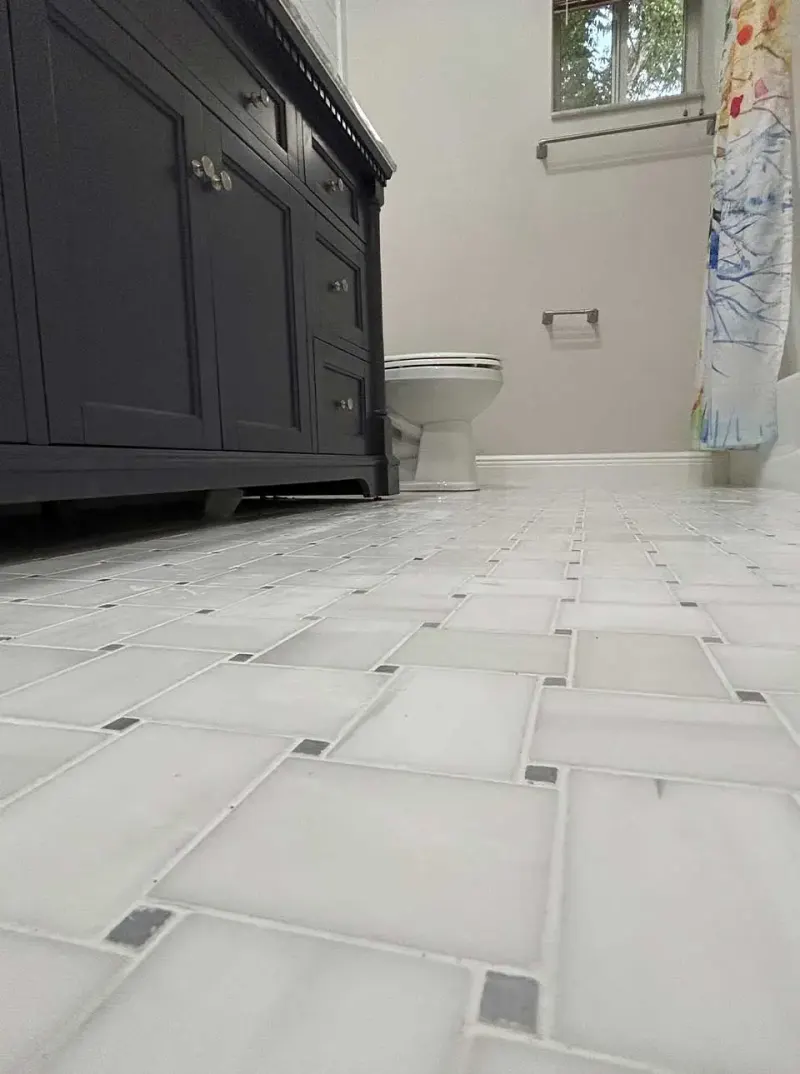 Why
Why Bathroom Floors Feel Soft
A floor that gives, creaks or sounds hollow is telling you something about what's underneath. What it means depends a lot on whether your bathroom sits…
-
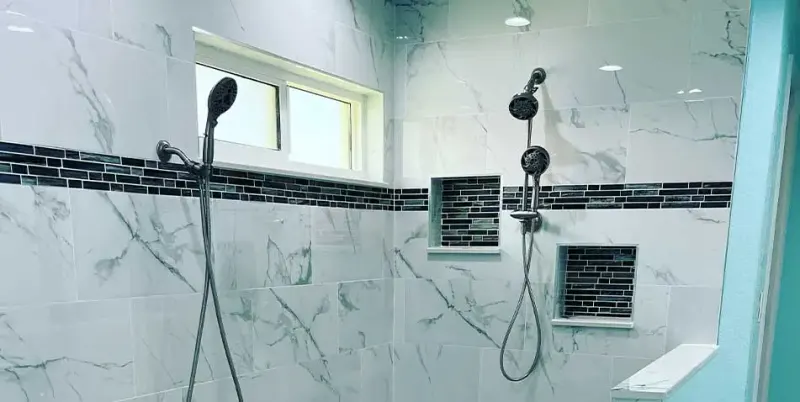
Bathroom Remodeling in Bradenton, Sarasota & the Suncoast
From a tired hall bath to a complete primary-suite rebuild, we plan, demo, waterproof, tile and finish bathrooms across Manatee, Sarasota, Charlotte and south Hillsborough counties,…