


You can do it yourself, hire each trade yourself, or put one remodeler in charge. Here's how the three approaches compare on the parts of a bathroom that matter most.
Key takeaways
- Waterproofing, electrical and drain or supply changes are the riskiest parts to DIY because mistakes hide behind finished tile.
- Managing subcontractors yourself can look cheaper, but you take on the sequencing and the problems between trades.
- A professional remodeler coordinates every trade and handles permits when the work requires them.
- Painting, hardware, mirrors and towel bars are reasonable DIY projects.
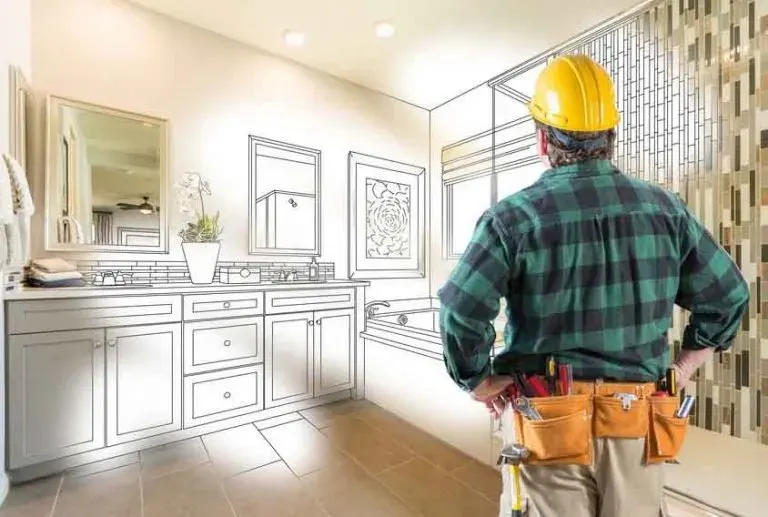
A bathroom packs plumbing, electrical, waterproofing and finish carpentry into a few dozen square feet, and most of the critical work disappears behind tile within days. That's the main reason to put a professional bathroom remodeler in charge. It isn't the only way to get a bathroom done, though. Many homeowners weigh three options: doing the work themselves, hiring and scheduling each trade on their own, or hiring one remodeler to run the whole job. This post compares them so you can decide where each one fits.
Three Ways to Get a Bathroom Remodeled
| DIY | Managing trades yourself | Professional remodeler | |
|---|---|---|---|
| Waterproofing risk | Highest; mistakes hide behind tile | Depends on the tile setter you hire | Built and checked as part of the job |
| Permits | You research and pull them | You figure out who pulls which | Handled when the work requires them |
| Scheduling | Your evenings and weekends | You sequence every trade | One schedule for every trade |
| Problems between trades | Yours to solve | Yours to referee | The remodeler's to solve |
| Accountability | You | Split among several companies | One company |
None of these is wrong for every project. The right choice depends on how much of the work touches water, wiring and structure.
When DIY Makes Sense
Not everything requires a contractor. Painting, swapping a mirror, changing cabinet hardware or replacing a towel bar are reasonable weekend projects. The line to watch is anything involving water containment, gas, electrical circuits or structural changes. Errors there are expensive to fix later because they sit behind finished surfaces.
What Managing the Trades Yourself Really Involves
Hiring a plumber, an electrician and a tile setter separately can look cheaper on paper. In practice you become the general contractor. A bathroom remodel typically runs through demolition, plumbing, electrical, framing, waterproofing, tile, cabinetry, glass and paint, roughly in that order, and each trade needs the previous one finished and correct. If the tile setter finds the shower valve set at the wrong depth, or the vanity doesn't line up with the drain, you're the one sorting it out and absorbing the delay.
It can work well for homeowners with flexible schedules and trades they already trust. It works less well when the job uncovers hidden damage, because no single person owns the fix. Our guide on why estimates change after demolition explains what tends to turn up.
What a Professional Remodeler Handles
The work you never see
A beautiful tile job over poor waterproofing is a slow leak waiting to happen. A professional handles the invisible layers:
- Shower waterproofing. Cement board or foam board with a waterproofing membrane, not drywall, behind wet areas, plus a properly sloped pan. Our page on shower pans and waterproofing covers how we build them.
- Drain slope. Shower floors are typically sloped about 1/4 inch per foot toward the drain so water doesn't pool.
- Electrical safety. GFCI protection on bathroom circuits and fans wired and ducted properly.
- Ventilation. An exhaust fan sized to the room and vented outside, which matters in a humid climate.
To understand why these layers deserve more of your budget than the tile itself, read why waterproofing matters more than tile.
Design options and budget control
A remodeler can walk you through layout tweaks, lighting, storage and accessibility features, and catch details that stretch budgets: a vanity that doesn't fit the plumbing, tile that needs a different underlayment, a valve that doesn't match the trim kit you picked. Measuring precisely and checking compatibility before ordering prevents many of those surprises. Advice should also fit your house. A suggestion that suits a newer Parrish subdivision home might be wrong for a 1960s block house in west Bradenton.
Coordination and respect for your home
One schedule covers every trade, permits are pulled when the work requires them, and other contractors you've already hired, such as a glass company, can be coordinated into the plan. You're living in the house during the project, so professionals protect floors along the work path, contain dust and clean up at the end of the day.
What That Looks Like in Practice
Here's how one customer described working with Shawn's crew:
"Shawn and his team did a great job of analyzing what the job needed, made some great suggestion and then measured and mapped out the materials. They were there on time and finished even ahead of schedule. They were very affordable and came back to make minor adjustments at no extra charge. Definitely a company that cares about making the customer happy. Will use them again!" — Rovnak Team
More are on our customer reviews page. If you're leaning toward hiring a pro, our list of questions to ask a bathroom remodeler will help you compare companies.
We handle projects from a single tub-to-shower conversion to a complete gut. If you'd like a professional opinion on which parts of your project to do yourself and which to hand off, we're glad to visit and talk it through at no cost. Learn more about our full bathroom remodeling service.
Frequently Asked Questions
Can I hire a remodeler for part of the job and do the rest myself?
Which parts of a bathroom remodel should never be DIY?
Do I need a permit to remodel my bathroom?
Do you work with other contractors I have already hired?
Keep Exploring
-
Bathroom Remodeling in Bradenton, Sarasota & the Suncoast
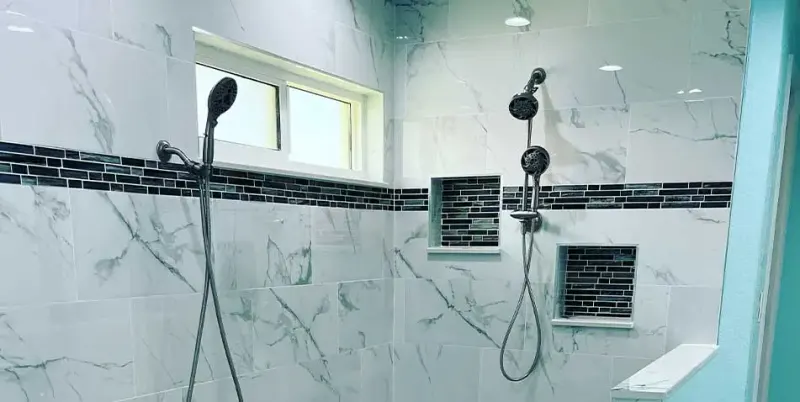
From a tired hall bath to a complete primary-suite rebuild, we plan, demo, waterproof, tile and finish bathrooms across Manatee, Sarasota, Charlotte and south Hillsborough counties,…
-
 Questions
 to Ask a Bathroom Remodeler
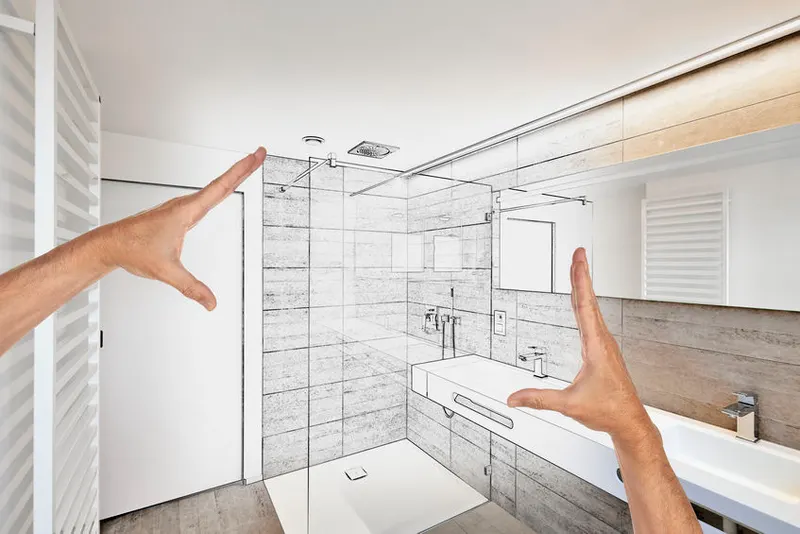
The best questions focus on what you can't see in photos: how the shower will be waterproofed, how surprises are handled, who is on site and…
-
 Bathroom Service
Shower Pan Replacement and Waterproofing
Tile and grout are the part of a shower you see, but they aren't what keeps water in. That job belongs to the pan and the…
-
 Why
Why Waterproofing Matters More Than the Tile You Pick
You'll spend hours choosing shower tile and minutes thinking about what goes behind it. That's backwards. Tile is the finish you see; the waterproofing layer is…
-
About Today's Home Services
We're a family-owned home improvement company based in Bradenton, working on homes and commercial properties across four Gulf Coast counties since 2016, with a growing focus…