


Most bathroom regrets trace back to a handful of avoidable decisions. These are common mistakes in Bradenton-area homes, and what to do instead.
Key takeaways
- Ventilation and waterproofing are the two shortcuts that cost the most, because both fail out of sight.
- Moving a toilet or shower drain on a slab means cutting concrete, so price it before you fall for a new layout.
- Permits and condo approvals belong at the start of the schedule, not after demolition.
- Large-format tile needs a flat floor; budget for leveling if you want big tiles.
A bathroom remodel is an exciting place to start improving a home. It's also a project where forethought matters more than in most rooms, because so many decisions get sealed behind tile. When we open up bathrooms that were remodeled before, the same bathroom remodel mistakes tend to show up. Here they are, along with how to sidestep each one.
Mistake 1: Treating Ventilation as an Afterthought
The exhaust fan is the least glamorous item on the plan, and in a coastal Florida climate skipping it is costly. Without a fan that actually moves air outdoors, humidity lingers, paint peels, grout darkens and mildew settles into caulk joints. Over time moisture can reach the drywall and framing.
What to do instead:
- Size the fan to the room. A rule of thumb from HVI guidance is about 1 CFM per square foot for smaller bathrooms; larger rooms or enclosed showers may need more.
- Duct it to the outside, never into the attic.
- Put it on a timer or humidity sensor so it runs long enough after a shower.
See our bathroom lighting and ventilation service, and our explainer on why bathrooms get mold in Florida.
Mistake 2: Starting Without a Clear Plan
Don't discover what you need after the toilet is already on the curb. Decisions made during demolition tend to be rushed and more expensive. Every selection, from the valve and trim to the grout color, should be made before work starts. Our post on factors to consider before remodeling covers budget, scope and timing in depth.
Tip: Write down any "while you're in there" items, such as a new niche, a moved outlet or blocking for grab bars, before demolition. They're easy to add when walls are open and difficult later.
Mistake 3: Choosing Looks Over Function and Spacing
A bathroom can look stunning in a photo and still be miserable to use. Common spacing errors:
- A toilet squeezed beside a vanity or wall. Code typically requires at least 15 inches from the toilet centerline to a side wall or obstruction and 21 inches of clear space in front, and more feels noticeably better.
- A shower door that swings into the vanity or toilet.
- A vanity so deep that the entry door hits it.
- Drawers that can't fully open because of a toilet or door frame.
If you're torn between configurations, our guide to bathroom layouts compares the common options.
Mistake 4: Moving Drains Without Pricing the Slab Work
Sliding the toilet two feet looks simple on paper. In a Florida home built on a concrete slab, though, every drain move means cutting and trenching the slab, which changes the budget and schedule. Get it priced before you commit to a design. Our answer on whether you can move a toilet or shower drain explains what's involved.
Mistake 5: Skipping Permits or Condo Approval
Plumbing, electrical and structural changes typically need a permit from your city or county building department, and condo associations often require approval, a certificate of insurance and restricted work hours before anyone starts. Skipping either can stall a project mid-demolition or cause trouble at resale. Check local requirements early, and see our guide to remodeling a condo bathroom if you live in an association.
Mistake 6: Cutting Corners on Waterproofing
Tile and grout aren't waterproof on their own. Water passes through grout and reaches whatever is behind it. Drywall or greenboard in a shower, a pan with no slope, or a membrane with unsealed seams can all fail quietly for months.
Insist on cement board or foam board with a proper waterproofing membrane in wet areas, a pan sloped about 1/4 inch per foot toward the drain, and flood testing before tile when the system calls for it. Our shower pan and waterproofing page explains the methods we use.
Mistake 7: Large-Format Tile on a Floor That Isn't Flat
Big porcelain tiles look clean and modern, but they're unforgiving. A slab or subfloor with dips and humps leaves tile edges sitting higher than their neighbors (lippage) and can leave hollow spots that crack later. If you want large tiles, plan and budget for floor leveling first. Read why large-format tile needs a flat floor for the details.
Mistake 8: Rushing the Process
Pushing a crew to go faster rarely ends well. Thinset and grout need cure time, inspections must be scheduled, and floor preparation deserves patience. The extra few days are invisible in the finished room, while shortcuts show up as cracked tile or loose fixtures. Our article on why bathroom remodels take time breaks down each phase.
Mistake 9: Ignoring Hard Water and Humidity When Choosing Finishes
Many Gulf Coast homes have hard water, and mineral scale is hard on bathroom fixtures. Matte black and polished brass can show spots, clear glass collects scale, and light grout in a busy shower discolors. None of these are wrong choices, but go in knowing what upkeep they involve, or pair them with a whole-house water treatment system. Choose materials rated for wet, humid rooms throughout.
Mistake 10: Forgetting the Future
A remodel should last for years, so think about who will use the bathroom later. Blocking for grab bars, a bench in the shower, a handheld showerhead and a wider entry cost little to include now and spare you from opening finished walls later.
The Ten Mistakes at a Glance
| Mistake | What to do instead |
|---|---|
| Undersized or unducted fan | Size it to the room, duct it outdoors, add a timer |
| Starting without a plan | Make every selection before demolition |
| Looks over spacing | Check toilet clearances, door swings and drawer travel |
| Moving drains on a whim | Price the slab work before finalizing the layout |
| Skipping permits or approval | Confirm building and association requirements first |
| Weak waterproofing | Backer board, membrane and a sloped pan in every wet area |
| Big tile on an uneven floor | Level the floor before setting large-format tile |
| Rushing | Allow cure times and inspections |
| Ignoring hard water | Pick finishes you can maintain, or treat the water |
| Forgetting the future | Add blocking and a handheld while walls are open |
If you'd like a second set of eyes on your plans, we can review them with you during a free estimate for your bathroom remodel.
Frequently Asked Questions
What is the most expensive bathroom remodel mistake?
Is it a mistake to remove the only bathtub in the house?
Should I buy fixtures before hiring a contractor?
How do I avoid changing my mind mid-project?
Keep Exploring
-
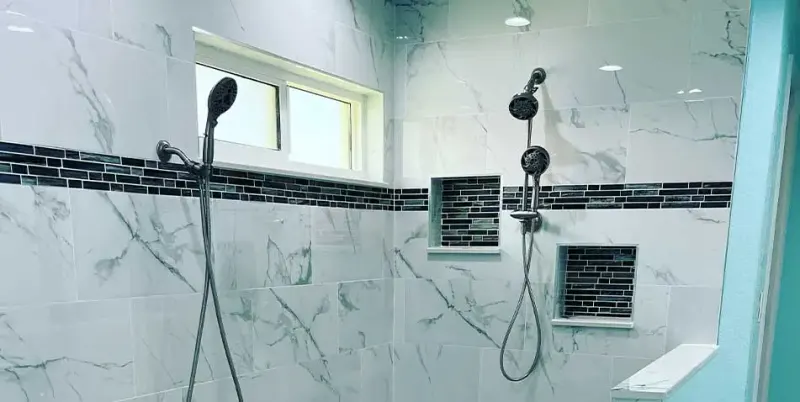
Bathroom Remodeling in Bradenton, Sarasota & the Suncoast
From a tired hall bath to a complete primary-suite rebuild, we plan, demo, waterproof, tile and finish bathrooms across Manatee, Sarasota, Charlotte and south Hillsborough counties,…
-
 Bathroom Service
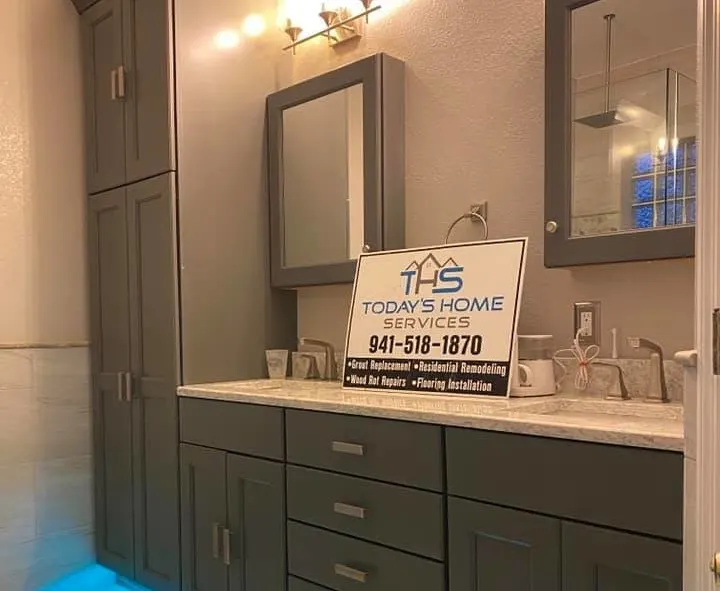
Bathroom Exhaust Fan & Lighting Installation
In a Gulf Coast bathroom, light and air aren't finishing touches. One decides whether you can see your face in the mirror; the other decides whether…
-
 Bathroom Service
Shower Pan Replacement and Waterproofing
Tile and grout are the part of a shower you see, but they aren't what keeps water in. That job belongs to the pan and the…
-
 Why
Why Bathrooms Get Mold in Florida
Mold needs moisture, a surface to feed on and time. A Florida bathroom supplies all three generously, and a few common building shortcuts make it far…
-
 Understanding
Bathroom Layouts: Footprints, Wet Walls and Clearances
Before anyone picks a tile, the layout decides what fits, how the room flows and how much plumbing has to move. Here's how remodelers think about…
-
 Questions
Can You Move a Toilet or Shower Drain?
Usually, yes. On the concrete slabs under most Florida homes, it means cutting and trenching the floor, rerouting drain pipe at the right slope, tying into…