


Scale on your shower glass, spots on your dishes and water that tastes of chlorine all have fixes. We help you understand what's in your water, then install the filtration, softening or drinking-water system that addresses it.
Key takeaways
- Softeners remove the minerals that cause scale; carbon filters handle chlorine taste and odor; RO handles drinking water.
- Testing comes first, especially on a private well, so the system matches what's actually in your water.
- Whole-house systems protect every fixture, while point-of-use units treat one tap.
- Installing treatment before or during a bathroom remodel protects new glass, grout and fixtures from scale.
Most homeowners think about remodeling in terms of what they can see, but the water running through your pipes affects nearly every fixture and finish in the house. We install water purification systems that build on what your utility or well already provides, leaving you with cleaner, better-tasting water and fewer mineral problems. Because we also remodel bathrooms and kitchens, we see first-hand what hard water does to glass, grout and fixtures, and we size treatment to protect them.
What's in Gulf Coast water
Water quality varies across Manatee, Sarasota, Charlotte and Hillsborough counties, and it differs between homes on municipal water and those on private wells. Common complaints fall into a few groups:
- Hard water: many homes in our area deal with high levels of calcium and magnesium. You see it as white crust on faucets, cloudy shower glass, spotty dishes and stiff laundry.
- Chlorine or chloramine taste and smell: municipal systems disinfect water to keep it safe in the pipes, but many people dislike the taste and odor at the tap.
- Well water issues: private wells can carry iron that stains fixtures, sulfur that smells like rotten eggs, or other minerals.
- Dry skin and hair: some people notice their skin or hair feels drier with hard or heavily treated water.
If you're unsure what your water is doing, our article on the signs of hard water issues is a good place to start, and our guide on what pH level means explains another number that shows up on water tests.
How water purification works
There's no single machine that fixes everything. Each technology targets specific problems, which is why we start by identifying yours.
Reverse osmosis
Reverse osmosis (RO) pushes water through a semi-permeable membrane that blocks a wide range of dissolved solids and many contaminants. RO is usually installed under the kitchen sink to supply drinking and cooking water, often with its own faucet. Many households use it in place of bottled water.
Activated carbon filtration
Carbon filters adsorb chlorine, many organic compounds, and the tastes and odors that come with them. Whole-house carbon systems treat every tap and shower. If your utility uses chloramine rather than chlorine, a catalytic carbon media is typically recommended.
Specialized and smart systems
Some systems use additional media or chemical treatment for issues like iron and sulfur in well water. Others include smart controls that track water use and signal when it's time for service.
For a deeper explanation of these approaches, read understanding water purification and our piece on common myths about water purification.
Water softener installation for hard water
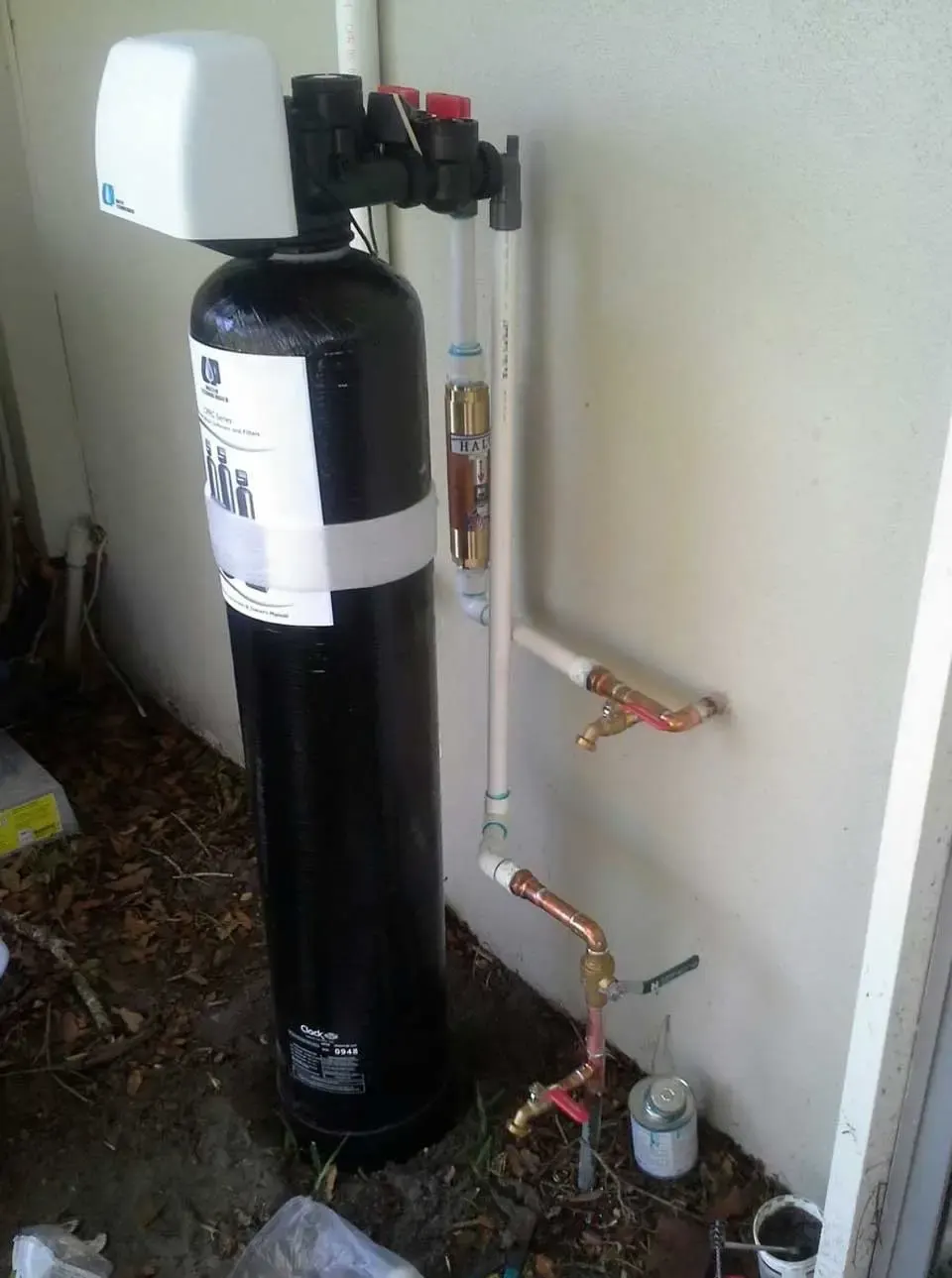
A softener removes the minerals that cause scale, using resin beads that exchange calcium and magnesium for sodium or potassium. Softened water helps protect water heaters, dishwashers, faucets and tile, and helps soap and detergent work better. We size the softener to your household's water use and the hardness measured in your test, install it with a bypass valve, and set the regeneration schedule so it isn't wasting salt or running out between cycles.
Match the problem to the system
| What you're noticing | Likely cause | Typical system |
|---|---|---|
| White crust on faucets, cloudy shower glass | Hard water | Water softener |
| Chlorine taste or smell at every tap | Disinfectant from the utility | Whole-house carbon filtration |
| You want better drinking and cooking water | Dissolved solids and taste | Reverse osmosis at the kitchen sink |
| Orange stains or a rotten-egg smell on a well | Iron or sulfur | Specialized well-water media |
Whole-house vs. point-of-use
| Whole-house (point-of-entry) | Point-of-use | |
|---|---|---|
| Where it goes | Where the water line enters the home, often in the garage | Under a sink or at one fixture |
| What it treats | Every faucet, shower and appliance | One tap |
| Common systems | Softeners, carbon filtration, well treatment | Reverse osmosis, drinking-water filters |
| Main benefit | Protects plumbing, fixtures and finishes; better showers | Highest-quality drinking water |
Our article on what a whole-house water filter is goes further into how point-of-entry systems work.
Why hard water matters for your remodel
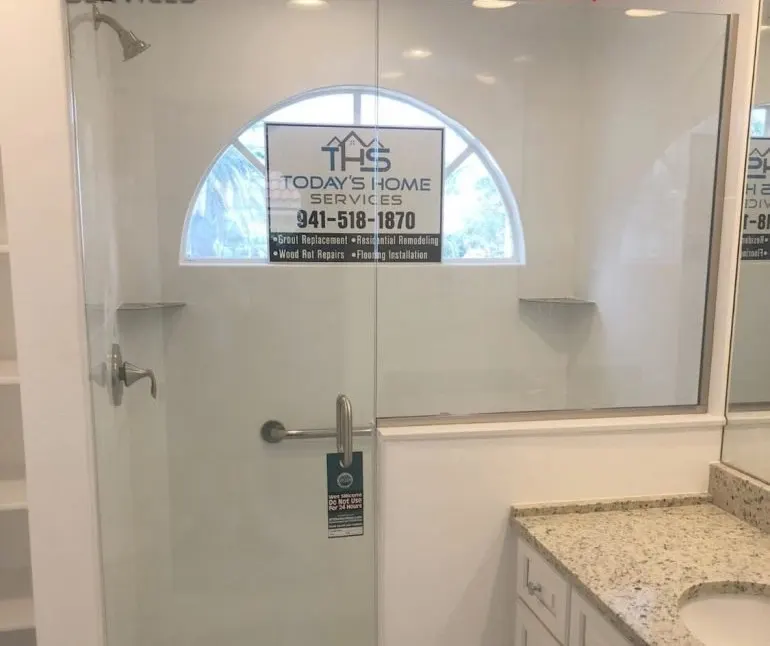
Hard water is hard on new bathrooms and kitchens. Scale clogs showerheads and aerators, etches glass shower doors, dulls polished chrome and natural stone, and leaves chalky deposits on shower wall tile that trap soap scum. Our guide on why hard water damages bathroom fixtures explains the chemistry. If you're planning a bathroom remodel, installing treatment first helps protect your investment from day one.
Our process
- Conversation and testing: we talk about what you're noticing, check whether you're on city water or a well, and arrange water testing so recommendations rest on results, not guesswork.
- Recommendation: we explain which system or combination addresses your issues, and what it will need for upkeep.
- Installation: whole-house systems are typically installed where the main line enters the home, with a bypass valve for service. Point-of-use units go under the sink with a dedicated faucet.
- Startup and walkthrough: we flush and set up the system, check for leaks, and show you how to read it, add salt and change filters.
Tip: Write the installation date and filter change schedule on a label stuck to the system. Filters that are overdue can stop doing their job without any obvious sign.
Benefits you notice
- Better-tasting drinking and cooking water
- Less corrosion and scale damage to plumbing, water heaters and appliances
- Cleaner clothes and dishes, since minerals reduce how well soap works
- Fewer chalky deposits on shower tile, glass and fixtures
- Less reliance on bottled water
Our post on how water treatment benefits you covers these in more detail.
What affects the cost
Water treatment is quoted after testing and a look at your plumbing. The main factors:
- Test results: how hard the water is and whether iron, sulfur or chloramine are present.
- Type and number of systems: a softener alone, a softener plus carbon, or a full well-treatment train.
- Household size and water use, which set the system capacity.
- Installation location: access to the main line in the garage or outside, and any re-piping needed.
- Point-of-use add-ons such as reverse osmosis with its own faucet.
Our guide on what drives remodeling costs explains how treatment fits into a larger bathroom budget.
Keeping your system running
- Replace filters and membranes on the manufacturer's schedule.
- Keep softener salt topped up and check the brine tank for bridging.
- Watch for changes in taste, pressure or spotting, which can signal the system needs attention.
- Schedule an annual visit with us to inspect components and confirm everything is working.
Water treatment in your area
We install water purification systems throughout Manatee, Sarasota and Charlotte counties and south Hillsborough County. We have local pages for water purification in Bradenton, Sarasota and Lakewood Ranch, and our service area page lists every community we cover. Ask us for a free consultation, and we'll start by finding out what's actually in your water.
What Clients Say
“Shawn and his team did a great job of analyzing what the job needed, made some great suggestion and then measured and mapped out the materials. They were there on time and finished even ahead of schedule. They were very affordable and came back to make minor adjustments at no extra charge. Definitely a company that cares about making the customer happy. Will use them again!”
— Rovnak Team
“I have only taken the time to write a review when it was really important to me. I found Shawn and his team through a referral from someone I just met, so I was taking my chances. As to his company. From the first meeting till all the work was complete, Shawn and his team were very professional, extremely consciences, and thorough.”
— Leanne Wrench
Water Purification Across the Suncoast
We serve homeowners and property owners in these counties and communities:
Learn More Before You Start
Water Purification FAQs
Do I need a whole-house system or just a drinking-water filter?
Is a water softener the same as a water filter?
My home is on a private well. Can you help?
How much maintenance do these systems need?
Does softened water add sodium?
What about salt-free water conditioners?
Keep Exploring
-
 Why
Why Hard Water Damages Bathroom Fixtures
The white crust on your shower head and the haze on your glass door are the same thing: minerals left behind when water evaporates. Over time…
-
 Blog
What Is a Whole House Water Filter?
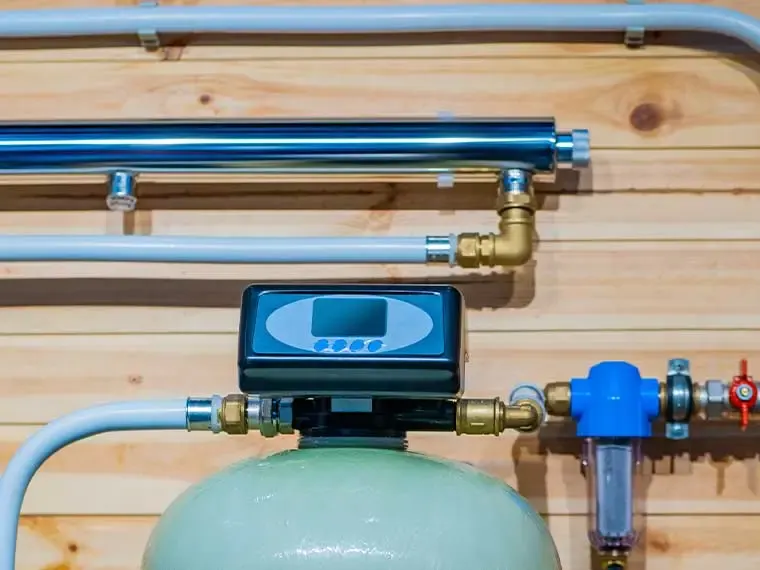
A whole house water filter treats water once, where it enters your home, so every faucet, shower and appliance gets the benefit. Here's how these point-of-entry…
-
 Blog
Signs of Hard Water Issues
Crusty faucets and cloudy glasses are classic clues, but not every water problem is hardness. Use this checklist to recognize true hard water symptoms, rule out…
-
 Blog
Understanding Water Purification
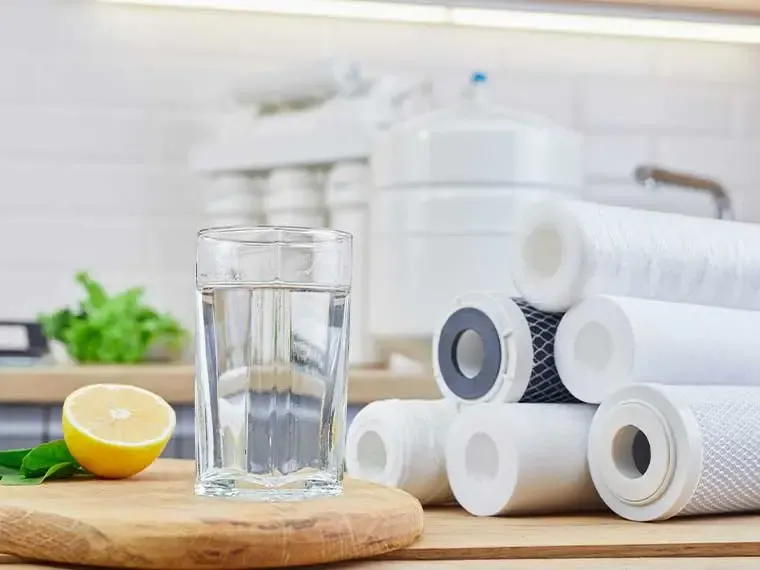
Filters, softeners, membranes and UV lamps all get called "water purification," but each one solves a different problem. Here's how they work, so you can match…
-
Water Purification Systems in Bradenton, FL
Spotty glasses, crusty showerheads, a chlorine smell or well water you don't trust? We help Bradenton homeowners match the problem to the right system, install it…
-
Areas We Serve Along the Suncoast
From our home base in Bradenton, our crew works across four counties, from the South Shore of Hillsborough down to Punta Gorda. Find your city below,…