


Crusty faucets and cloudy glasses are classic clues, but not every water problem is hardness. Use this checklist to recognize true hard water symptoms, rule out look-alikes and decide what to do next.
Key takeaways
- White, chalky scale on faucets, shower heads and glass is the clearest sign of hard water.
- Poor lather and soap scum come from hardness minerals reacting with soap.
- Orange, brown or black stains, rotten-egg smells and blue-green marks usually point to other problems, not hardness.
- A softener stops new scale, but existing buildup needs one thorough descaling.
Hard water is common across much of Florida's Gulf Coast, and it rarely announces itself with one dramatic symptom. Instead, it shows up as a pile of small annoyances: a faucet that never looks clean, glasses that come out of the dishwasher cloudy, a shower head that seems weaker every month. Learning the signs of hard water helps you connect those dots, and just as importantly, helps you tell hardness apart from other water problems that look similar but need a different fix.
First, What Hard Water Is (and Isn't)
Hard water carries dissolved calcium and magnesium. Those minerals are harmless to touch and invisible in a glass, but when water evaporates or gets heated, they come out of solution and harden into scale, the white, chalky crust you see around faucets. Hardness doesn't cause bad smells or rusty colors. Keep that in mind as you go through the list below.
Seven Telltale Signs
1. White crust on faucets and shower heads
Chalky buildup around the base of faucets, on aerators and on shower head nozzles is the most recognizable sign. It often looks worse on dark or matte finishes.
2. Spots that won't wipe off glass
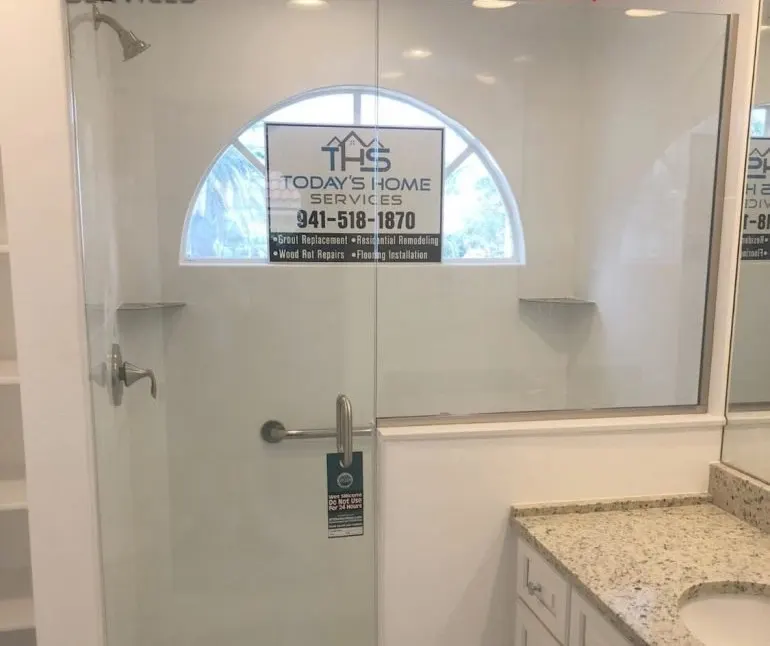
Shower doors develop a cloudy haze of mineral spots that ordinary glass cleaner can't remove. Over time, deposits can etch into the surface. Our guide to why hard water damages bathroom fixtures explains how that happens.
3. Cloudy dishes and spotted glassware
If glasses look filmy even when they're clean, minerals are drying onto them in the dishwasher.
4. Soap that won't lather
Hardness minerals react with soap, so you need more shampoo, body wash and detergent to get suds. The same reaction produces soap scum, the gray film on tubs, tile and shower walls.
5. A filmy feeling after showering
Many people with hard water notice that skin and hair don't feel fully rinsed. That's soap residue that hasn't washed away cleanly.
6. Shower heads that lose pressure
Scale can gradually narrow the small holes in shower heads and faucet aerators. If flow improves after you soak the head in a descaler, hardness was the likely culprit. Badly clogged heads and aerators are often easier to replace along with the faucet.
7. Noisy or sluggish water heaters
Minerals settle out when water is heated, collecting as sediment in tank heaters and as scale in tankless units. Popping or rumbling sounds from a tank heater can be a sign of sediment buildup.
Look-Alike Problems That Aren't Hardness
Some common complaints get blamed on hard water but usually have other causes:
| What you notice | More likely cause |
|---|---|
| Orange, red or brown stains | Iron in the water |
| Black or dark brown stains | Manganese |
| "Rotten egg" smell | Hydrogen sulfide, common in some wells |
| Chlorine or "pool" smell | Disinfectant used by the city utility |
| Blue-green stains near drains | Often corrosive (low pH) water acting on copper |
Each of those needs its own treatment, and a softener alone may not solve them. If blue-green staining sounds familiar, our explainer on what pH level means is worth a read.
A 60-Second Hard Water Check
- Lather test: shake a few drops of plain liquid soap with water in a clear bottle. Thin suds and cloudy water suggest hardness.
- Glass test: let a few drops of tap water dry on a clean, dark glass or mirror. A white ring points to dissolved minerals.
- Test strips: inexpensive hardness strips give a quick reading, and city customers can often find hardness information from their utility.
For a complete picture, have your water tested by a certified lab, especially if you're on a well or you've noticed any of the look-alike symptoms above.
What Fixes Hard Water
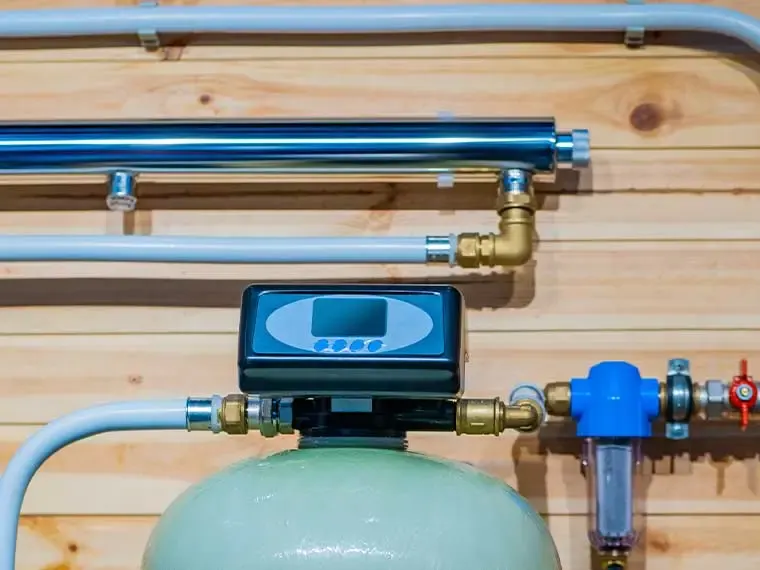
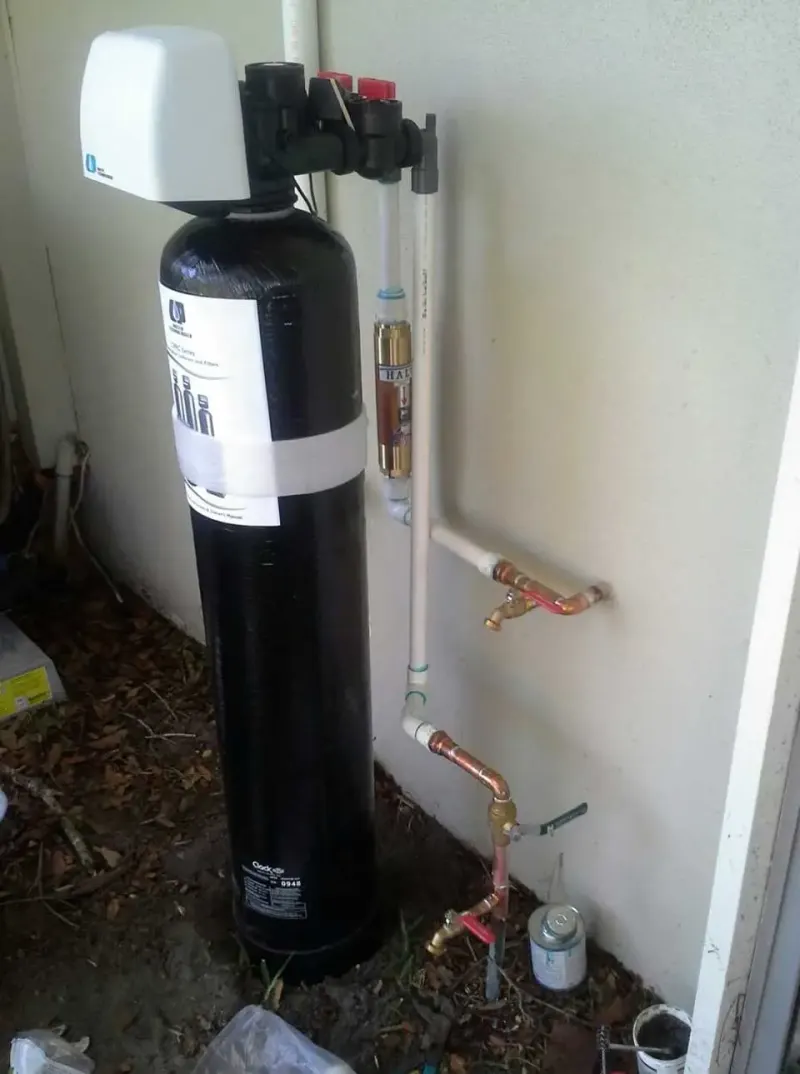
The standard solution is a whole-house water softener, which uses ion exchange to trade calcium and magnesium for sodium or potassium as water enters the home. Carbon filters and most single-tap filters don't soften water. Once a softener is installed, give fixtures and glass one thorough descaling, and you'll find they stay cleaner with much less effort.
If you're planning bathroom updates, treating hard water first helps protect new glass shower doors and faucet finishes from day one. For more on the day-to-day payoffs, see how water treatment benefits you.
Today's Home Services installs water softeners and purification systems throughout Sarasota and Manatee counties, including Sarasota and Bradenton. If you recognize several of these signs, we would be glad to review your situation and talk through options during a free consultation.
Frequently Asked Questions
What exactly makes water hard?
Is hard water safe to drink?
Does hard water damage grout and tile?
Are orange or brown stains a sign of hard water?
Keep Exploring
-
Water Purification Systems
Scale on your shower glass, spots on your dishes and water that tastes of chlorine all have fixes. We help you understand what's in your water,…
-
 Blog
How Water Treatment Benefits You
Treated water shows up in more places than your drinking glass. Walk through the house with us and see where filtration and softening make a practical…
-
 Blog
What Does pH Level Mean for Your Water?
pH is one of the most talked-about numbers on a water test and one of the least understood. Here's what the scale measures, what low or…
-
 Why
Why Hard Water Damages Bathroom Fixtures
The white crust on your shower head and the haze on your glass door are the same thing: minerals left behind when water evaporates. Over time…
-
 Bathroom Service
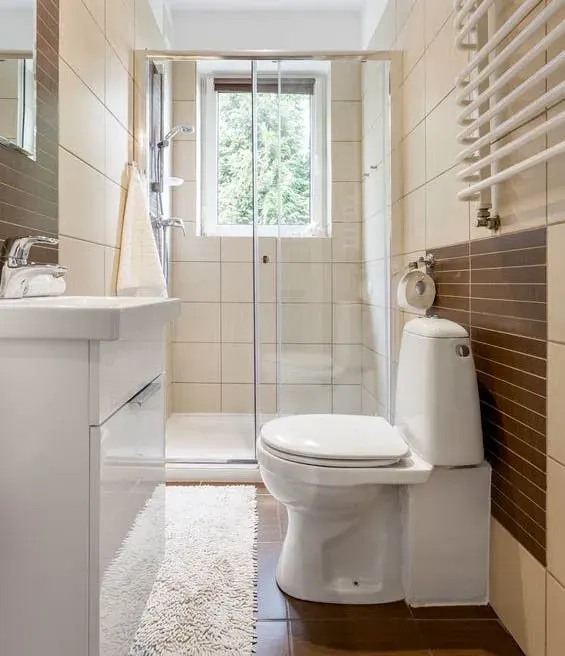
Glass Shower Doors & Enclosures
The right glass keeps water in the shower and puts your new tile on display. We plan, measure and install frameless, semi-frameless and framed enclosures fitted…
-
 Blog
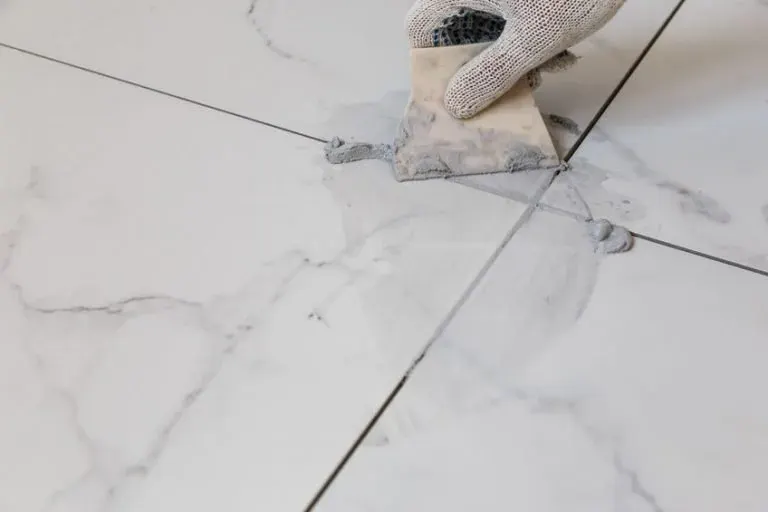
Tile and Grout Maintenance Tips
Good tile care is mostly small habits done consistently. These are the routines and product choices we recommend to homeowners after we finish a cleaning, sorted…