


Treated water shows up in more places than your drinking glass. Walk through the house with us and see where filtration and softening make a practical difference, from the coffee maker to the shower door.

Key takeaways
- Carbon or reverse osmosis at the sink changes taste and smell; a softener is what reduces scale on glass, fixtures and appliances.
- Softened water helps detergent and soap work, so laundry rinses cleaner and less soap scum is left on tile.
- Water heaters benefit quietly, because less new scale settles in the tank or heat exchanger.
- Treatment prevents new buildup but won't remove scale that's already there.
Most people think about water treatment in terms of one glass of water. In practice, the water entering your home touches nearly everything: the coffee maker, the ice maker, the dishwasher, the washing machine, the water heater, every faucet and every shower. That's why the water treatment benefits homeowners talk about most often aren't limited to taste. Below, we take a room-by-room tour of where filtration and softening make a visible, everyday difference.
The Kitchen
The kitchen is often where a change is easiest to taste.
- Taste and smell. City water is disinfected, usually with chlorine or chloramine, and some people find the taste or smell noticeable. Activated carbon is well suited to reducing that. A reverse osmosis unit at the sink goes further, reducing a broad range of dissolved solids for drinking and cooking water.
- Coffee, tea and ice. Because these are mostly water, they reflect whatever is in it. Many households find that filtered water gives cleaner-tasting coffee and clearer ice.
- Less bottled water. With a dedicated drinking-water faucet, you can fill pitchers and reusable bottles at home instead of hauling cases from the store.
- Cleaner dishes and glassware. If your water is hard, softening reduces the cloudy film and white spots that dishwashers leave behind.
The Bathrooms
Bathrooms take the brunt of hard water, because hot water and evaporation leave minerals behind on every surface.
- Clearer shower glass. Hard water dries into stubborn white spots on shower glass. Softened water makes routine cleaning much easier and helps protect the investment in frameless or semi-frameless shower doors.
- Better-looking fixtures. Faucets, shower heads and drains stay shinier without crusty scale around the base and aerator. If you're planning new bathroom sinks and faucets, treated water helps keep finishes looking new longer.
- Steadier flow. Scale can gradually narrow the tiny holes in shower heads and aerators. Preventing new buildup helps maintain the spray you paid for.
- Easier lathering. Soap and shampoo lather more readily in soft water, and there's less soap scum left on tile and tubs.
For a deeper look at what minerals do to bathroom surfaces over time, see our guide on why hard water damages bathroom fixtures.
The Laundry Room
Hardness minerals interfere with how detergent works, which can leave clothes feeling stiff and looking dull after many washes. With softened water, detergent dissolves and rinses more completely. Washing machines also benefit from less mineral buildup in valves and internal parts over time. If your well water carries iron, appropriate filtration can also help with the rusty tint that sometimes shows up on light fabrics.
The Utility Room and Garage
Out of sight, your water heater may be the appliance that benefits most. When hard water is heated, minerals settle out and collect as sediment at the bottom of a tank heater or as scale inside a tankless unit. That buildup can make the heater work harder and may lead to popping or rumbling sounds. Preventing new scale is one of the most practical reasons to soften water, and it pairs well with the routine flushing most manufacturers recommend.
This is also where a whole-house system usually lives. Point-of-entry equipment treats water before it reaches any of the rooms above. Our article on what a whole-house water filter is explains how those systems are plumbed in.
The Plumbing System
Every pipe, valve and supply line in the house carries the same water. Over years, hard water can leave scale inside fixtures and narrow openings, and corrosive water can affect metal plumbing. Treatment designed around your test results helps reduce new buildup and keeps fixtures working the way they should. It isn't a cure for scale that's already there, so older aerators, cartridges or shower heads may still need cleaning or replacement.
Matching the Benefit to the Equipment
Not every benefit comes from the same box. A quick way to sort it out:
| If you want... | Equipment usually involved |
|---|---|
| Better-tasting drinking water | Carbon filter or reverse osmosis at the sink |
| Less scale and spotting throughout the house | Whole-house water softener |
| Fewer particles and protected equipment | Sediment prefilter |
| Treatment for well-water odor or iron | Specialized filtration chosen from a test |
If you're unsure which of these you need, our primer on understanding water purification explains each technology step by step.
Getting Started
The most reliable path is simple: get your water tested, note where problems show up in your home, and choose equipment that addresses those specific issues. We're glad to go over your results during a free estimate and suggest a water purification system sized to your household.
Frequently Asked Questions
Which benefit will I notice first after installing a system?
Can water treatment fix scale already inside my pipes?
Is treated water better for my health?
Do I need treatment for the whole house or just the kitchen?
Keep Exploring
-
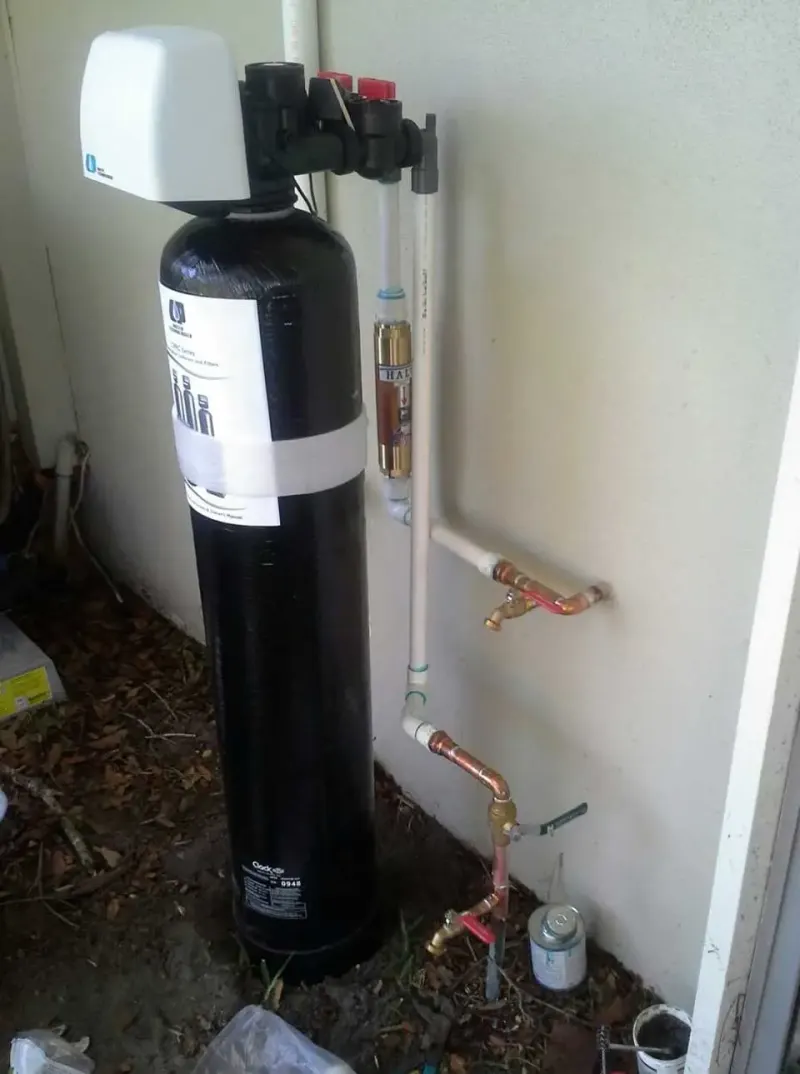
Water Purification Systems
Scale on your shower glass, spots on your dishes and water that tastes of chlorine all have fixes. We help you understand what's in your water,…
-
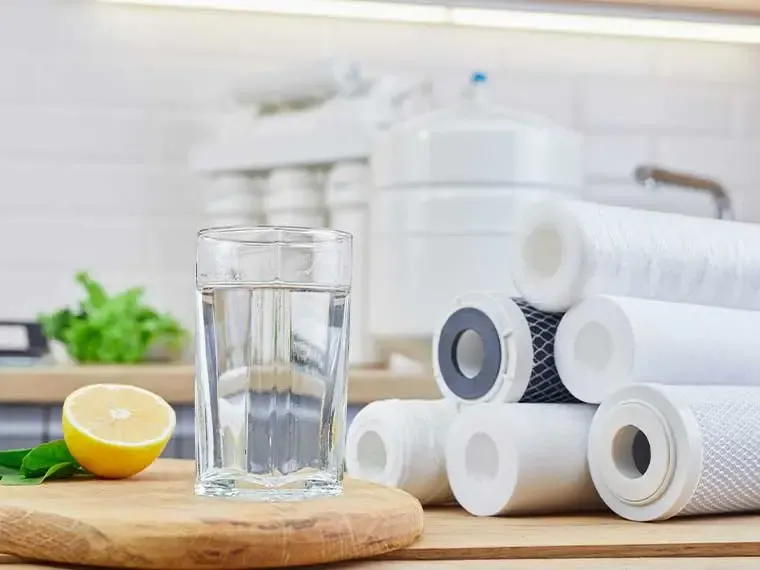 Blog
Understanding Water Purification
Filters, softeners, membranes and UV lamps all get called "water purification," but each one solves a different problem. Here's how they work, so you can match…
-
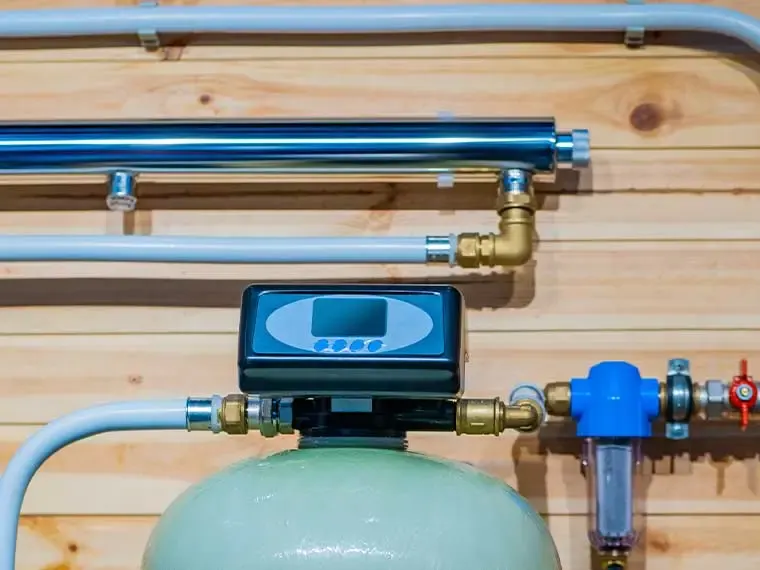 Blog
Signs of Hard Water Issues
Crusty faucets and cloudy glasses are classic clues, but not every water problem is hardness. Use this checklist to recognize true hard water symptoms, rule out…
-
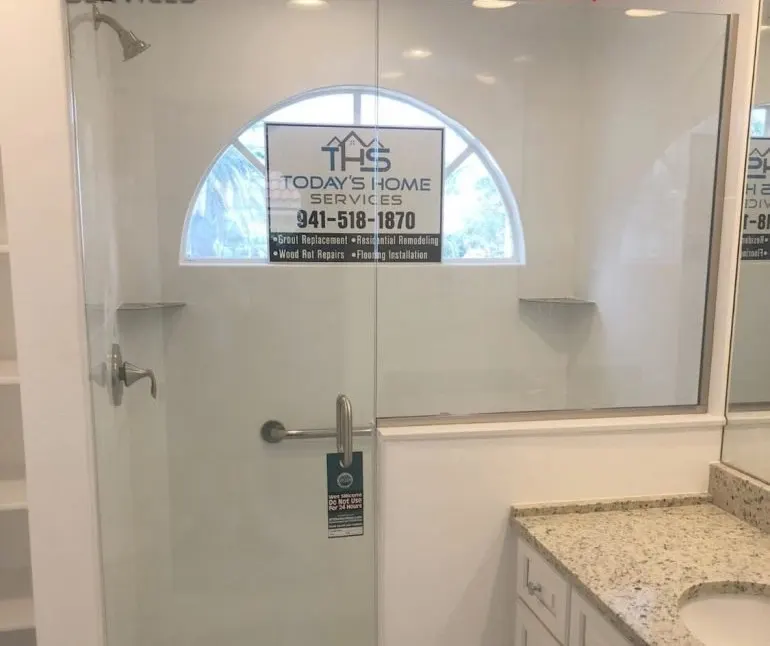 Why
Why Hard Water Damages Bathroom Fixtures
The white crust on your shower head and the haze on your glass door are the same thing: minerals left behind when water evaporates. Over time…
-
Water Purification Systems in Bradenton, FL
Spotty glasses, crusty showerheads, a chlorine smell or well water you don't trust? We help Bradenton homeowners match the problem to the right system, install it…