


Spotty glasses, crusty showerheads, a chlorine smell or well water you don't trust? We help Bradenton homeowners match the problem to the right system, install it properly and keep it running.
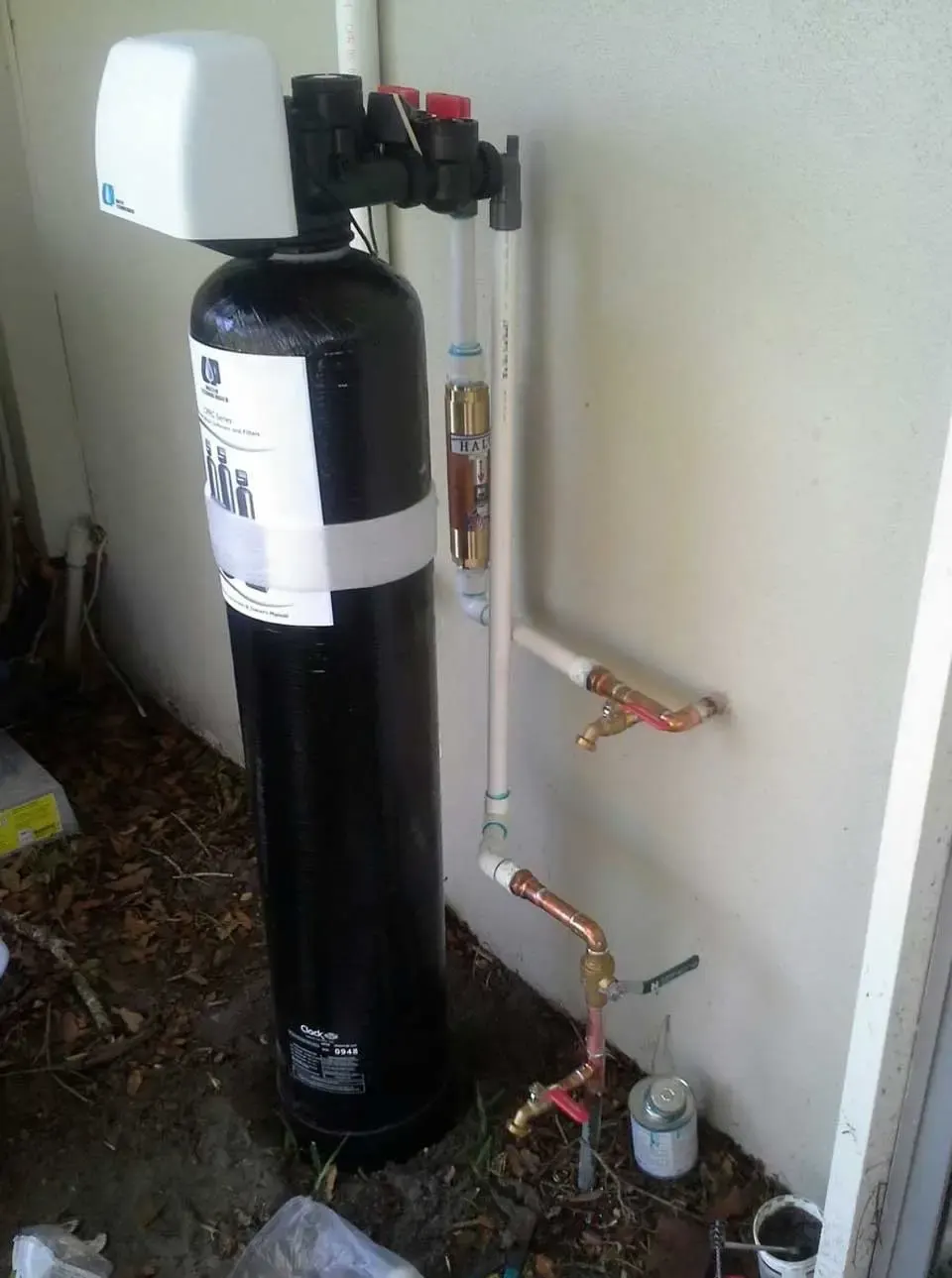
Most Bradenton homeowners don't go looking for water treatment until something bothers them: white crust on the faucet aerators, glass shower doors that never look clean, a chlorine smell when the tap first runs, or well water that comes out tinted. Each of those has a different cause, and each points to different equipment. Our job with water purification systems in Bradenton, FL is to find out where your water comes from and what's in it, then match the system to that, install it cleanly and stay available when it needs service.
Where your Bradenton water comes from
Bradenton addresses don't all share one water source, and that's the first thing to sort out:
- City of Bradenton water. Homes inside city limits are typically served by the city's utility.
- Manatee County utility water. Many homes with a Bradenton mailing address are in unincorporated Manatee County and are served by the county's system instead.
- Private wells. Some properties on the outskirts still rely on wells, which no utility treats or tests for you.
- Older plumbing. In the older neighborhoods of west Bradenton and near the river, aging pipes can add sediment or discoloration on their way to the tap, whatever the source.
Your water bill tells you which utility you have. If there's no water bill, you're likely on a well.
Start With Your Utility's Water Quality Report
If you're on public water, your utility publishes an annual water quality report, sometimes called a Consumer Confidence Report. It's usually posted on the utility's website, and it's a useful free first step before buying anything. A few lines are worth reading:
- Hardness. Often listed in grains per gallon or milligrams per liter. Higher numbers mean more scale on fixtures and glass, and that's the case for a softener or scale treatment.
- Disinfectant. Utilities use chlorine or chloramine to keep water safe in the pipes. It's what you taste and smell, and carbon filtration is the usual answer.
- Detected substances. The report lists what was found and how it compares with the legal limits.
The report describes water leaving the treatment plant, not what comes out of your particular faucet after your home's pipes. And if you're on a well, there's no report at all, so a lab test is the starting point.
Matching the symptom to the system
| What you notice | Likely cause | Equipment that typically helps |
|---|---|---|
| Scale on fixtures, spots on dishes and glass | Hard water (calcium and magnesium) | Water softener |
| Chlorine taste or smell | Municipal disinfection | Activated carbon filtration |
| Cloudy or gritty water | Sediment, often from a well or older pipes | Sediment pre-filter |
| You want filtered drinking water | Dissolved solids and other substances | Reverse osmosis at the kitchen sink |
| Rotten-egg smell or orange staining (well) | Sulfur or iron | Well-specific treatment based on testing |
Our article on the signs of hard water is a good self-check. In short, the three systems we install most are:
- Reverse osmosis: a point-of-use membrane system for drinking water at the kitchen sink.
- Water softener: whole-house treatment that stops hardness minerals from forming scale.
- Activated carbon: filtration for chlorine taste and odor, whole-house or under the sink.
How much any system reduces a particular contaminant depends on the system and its certification, so we match equipment to your report or test results. For how each technology works, see understanding water purification and what a whole-house water filter is.
Why it matters for your bathrooms
Hard water shows up in bathrooms first: etched glass, crusted showerheads, stained grout and fixtures that wear out sooner than they should. The guide article on why hard water damages bathroom fixtures explains the mechanism. If you're planning a Bradenton bathroom remodel, decide on water treatment at the same time so new fixtures and glass stay looking new.
Keeping the system working
Taste and pressure complaints often come from filters left in far longer than intended. Follow the manufacturer's schedule for your equipment; as a general picture:
| Equipment | What gets serviced | Typical interval |
|---|---|---|
| Sediment pre-filter | Cartridge replacement | Per manufacturer; sooner on well water |
| Carbon filter | Cartridge or media replacement | Per manufacturer and water use |
| Reverse osmosis | Pre-filters, then the membrane less often | Per manufacturer |
| Water softener | Salt or potassium refills, occasional checkup | Salt as needed; service per manufacturer |
Tip: Write the installation date and filter schedule on a tag attached to your system, so nobody has to guess when it was last changed.
We install new systems, and we also repair, maintain and replace existing ones. A typical install includes choosing a location near the main line, adding a bypass valve so you can isolate the system, connecting drain lines where needed, and walking you through settings and filter changes. Explore the full water purification systems service, see what else we handle on our Bradenton area page, or reach out to schedule a free consultation about your water.
What Clients Say
“Shawn and his team did a great job of analyzing what the job needed, made some great suggestion and then measured and mapped out the materials. They were there on time and finished even ahead of schedule. They were very affordable and came back to make minor adjustments at no extra charge. Definitely a company that cares about making the customer happy. Will use them again!”
— Rovnak Team
“I have only taken the time to write a review when it was really important to me. I found Shawn and his team through a referral from someone I just met, so I was taking my chances. As to his company. From the first meeting till all the work was complete, Shawn and his team were very professional, extremely consciences, and thorough.”
— Leanne Wrench
Also Serving Nearby
Frequently Asked Questions
I'm on city water in Bradenton. Do I still need a water purification system?
What's different about treating well water?
Can you service a system someone else installed?
Where does a whole-house system go in a Bradenton home?
Keep Exploring
-
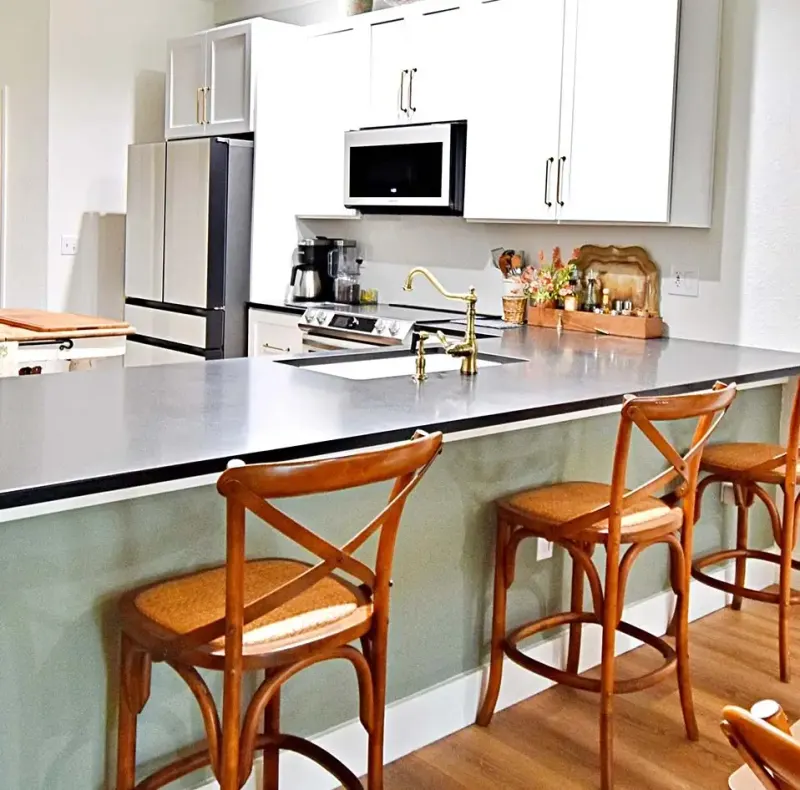
Water Purification Systems
Scale on your shower glass, spots on your dishes and water that tastes of chlorine all have fixes. We help you understand what's in your water,…
-

Home Remodeling and Renovation in Bradenton, FL
Bradenton is where we live and where our trucks start every morning. Our crew remodels bathrooms, kitchens and floors in homes across the city, from mid-century…
-
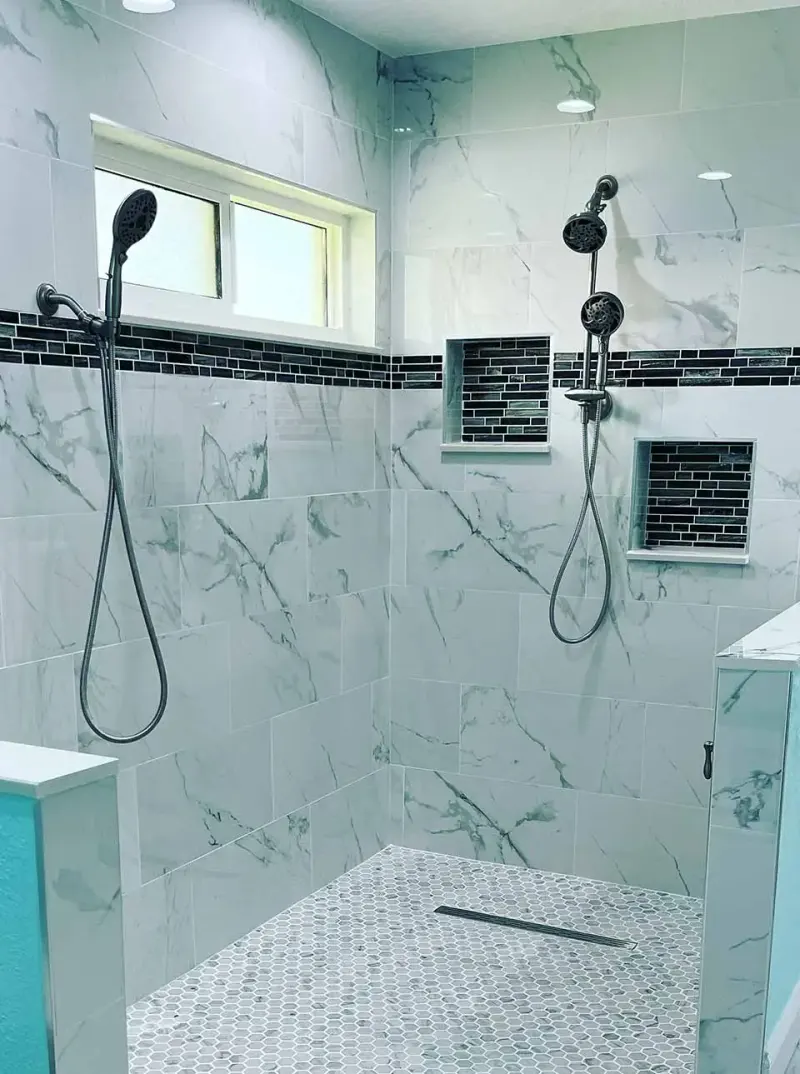
Bathroom Remodeling in Bradenton, FL
We remodel bathrooms in the same city we call home. From original hall baths in older block homes to builder-grade suites on the east side, we…
-
 Blog
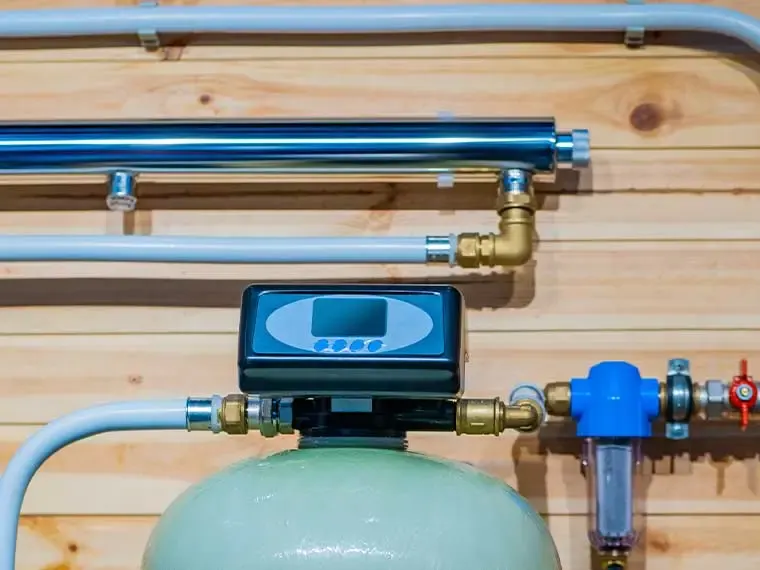
Signs of Hard Water Issues
Crusty faucets and cloudy glasses are classic clues, but not every water problem is hardness. Use this checklist to recognize true hard water symptoms, rule out…
-
 Blog
Understanding Water Purification
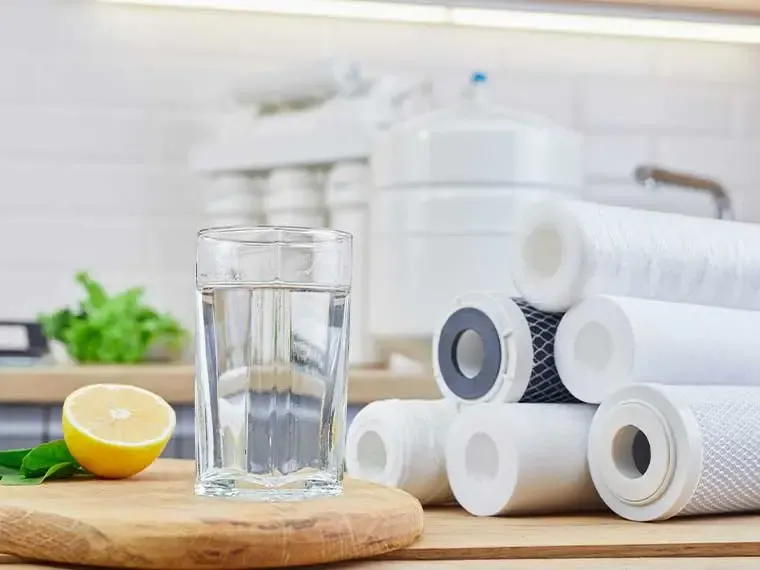
Filters, softeners, membranes and UV lamps all get called "water purification," but each one solves a different problem. Here's how they work, so you can match…
-
 Blog
What Is a Whole House Water Filter?
A whole house water filter treats water once, where it enters your home, so every faucet, shower and appliance gets the benefit. Here's how these point-of-entry…