


Tile, luxury vinyl plank, wood or epoxy: each one shines in some rooms and struggles in others. We help you match the floor to the room, prepare the slab properly, and install it so it stays flat and quiet.
Key takeaways
- Porcelain tile and epoxy handle water best; wood is the most moisture-sensitive and stays out of wet rooms.
- Slab flatness and slab moisture are the two checks that decide whether a new floor lasts.
- Sectional repairs are often possible, and a spare box from the original install makes them nearly invisible.
- New floors can change door and transition heights, so we measure those points before ordering.
Choosing a new floor is less about picking the prettiest sample and more about matching the material to the room, the slab and the way your household lives. Our advice on flooring installation is simple: put the right floor in the right room, prepare what's underneath, and finish the edges carefully. We install four main types of flooring and also take on repairs and touch-ups when a full replacement isn't needed.
The floors we install
Tile
Porcelain and ceramic tile remain the workhorse floor of Florida homes. They shrug off water, sand and pets, and they stay cool underfoot. We set tile in kitchens, baths, living areas, entries and patios. Learn more on our tile installation page.
Luxury vinyl plank
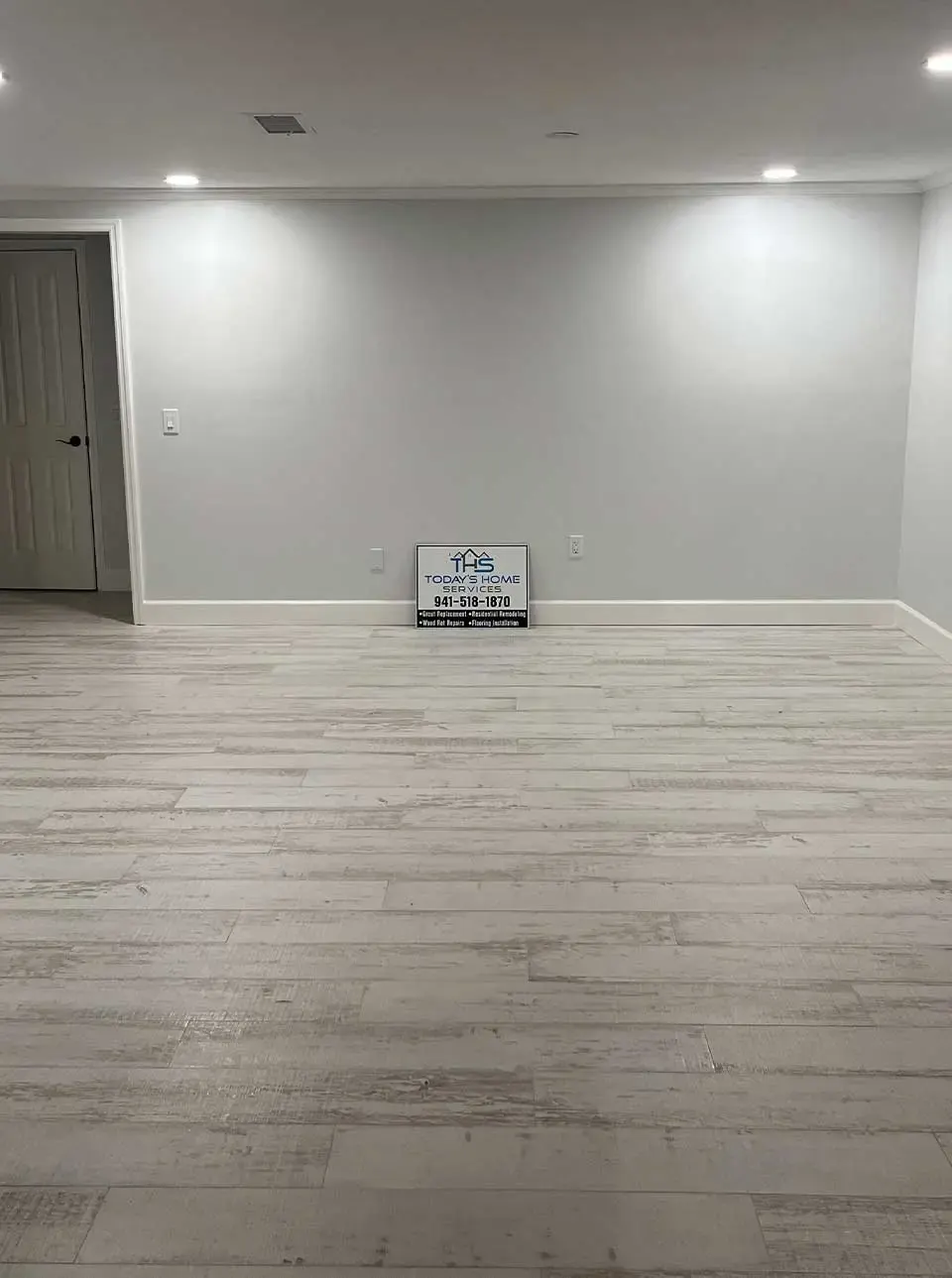
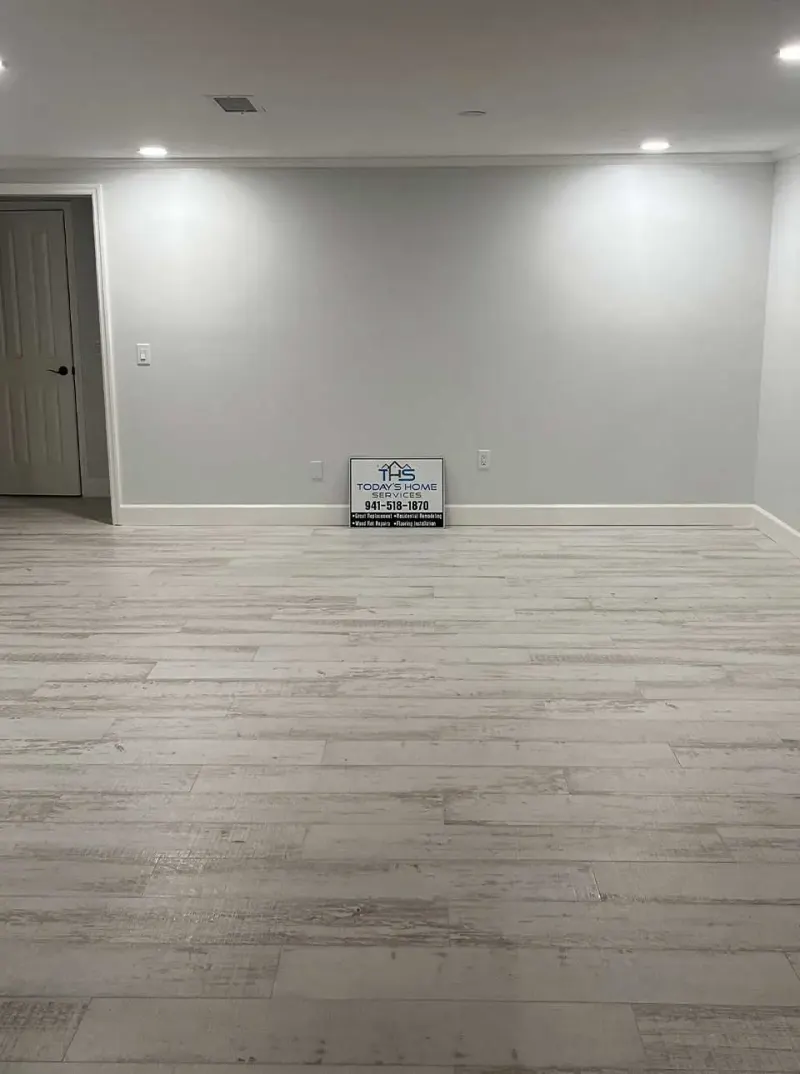
Vinyl plank delivers the look of wood with a water-resistant surface, a softer and quieter feel than tile, and faster installation. It's a strong choice for bedrooms, living areas and many kitchens. See our vinyl plank flooring installation service for installation methods and options.
Wood
Nothing quite matches real wood for warmth. On concrete slabs, engineered wood is usually the more stable choice, and we'll explain why on our wood flooring installation page.
Epoxy
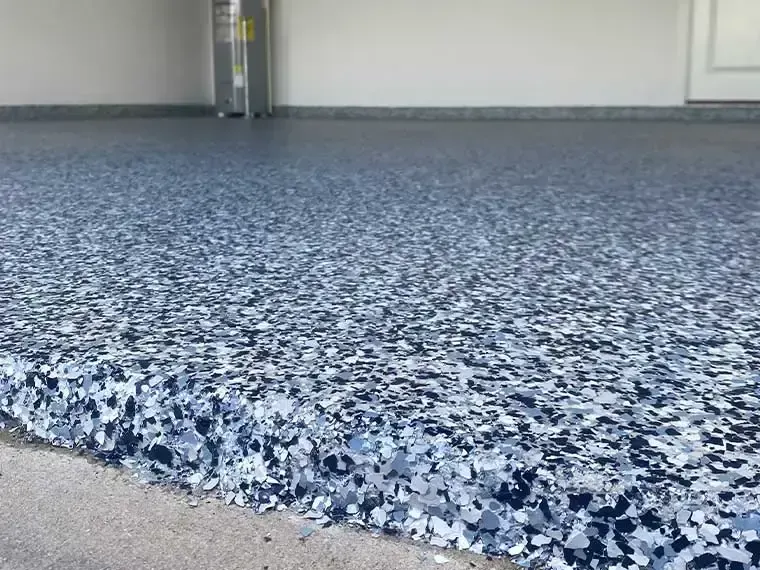
Epoxy turns a bare concrete slab into a seamless, tough, easy-to-clean surface. It's a natural fit for garages, workshops, utility rooms and some modern living spaces. Our epoxy flooring installation page covers finish options and prep.
Comparing your options
| Tile | Vinyl plank | Wood | Epoxy | |
|---|---|---|---|---|
| Water resistance | Excellent | Very good on the surface | Limited | Excellent |
| Feel underfoot | Hard, cool | Softer, warmer, quieter | Warm, natural | Hard, smooth |
| Repairability | Single tiles can be replaced | Single planks can be replaced | Can be sanded and refinished (depending on wear layer) | Can be recoated |
| Well-suited rooms | Baths, kitchens, entries, patios | Bedrooms, living areas, kitchens | Living and dining rooms, bedrooms | Garages, workshops, utility spaces |
| Slab prep sensitivity | High for large tiles | High for flatness | High for moisture | High for cleanliness and moisture |
Laminate and polished concrete also come up in conversations. We're happy to talk through them, but for most Florida homes one of the four above is the better fit for local conditions.
Why the slab matters so much
Most homes in our area sit on concrete slabs. A slab is a great base, but it brings two challenges every flooring type has to account for.
Flatness: Slabs often have dips, humps and old adhesive ridges. Floating floors like vinyl plank will flex and click over low spots, and large tiles will show uneven edges. We check with a long straightedge and grind or patch as needed.
Moisture: Concrete can carry moisture up from the ground, especially in our wet season. That moisture can damage wood, weaken adhesives and cause epoxy coatings to lift. Depending on the floor, we check moisture levels and use the vapor barrier, underlayment or primer the manufacturer requires.
Skipping either step is a common reason floors fail early, and it's where hiring a professional makes the biggest difference. The wrong tools or shortcuts can damage the floor, the subfloor and surrounding finishes.
Our installation process
- Consultation and measuring: We visit, measure each room, check the slab, look at transitions and doorways, and talk through how each space is used.
- Selection: We help you compare samples in your own light. Florida sun changes how colors look, so seeing them on site matters.
- Room preparation: Furniture and decor are cleared so the space can be worked safely.
- Removal: We take up old carpet, pad, tack strips, tile or vinyl, and scrape remaining adhesive.
- Slab preparation: We level, patch, treat cracks and address moisture as your flooring type requires.
- Installation: Each material has its own steps, from thinset and grout to click-lock planks to multi-coat epoxy systems.
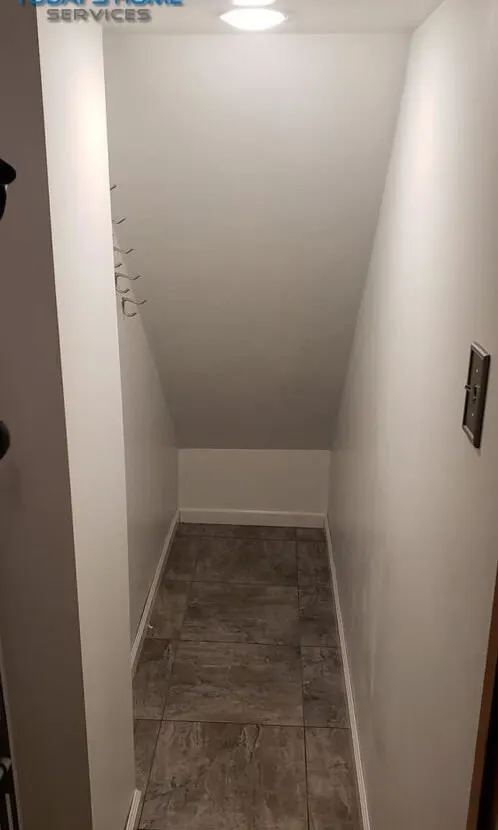
- Trim and transitions: Baseboards, shoe moulding and thresholds go back on, and doors are trimmed if the new floor is taller.
- Cleanup and walkthrough: We clean up and walk the floors with you before we call the job done.
Tip: Look at flooring samples on your own floor at different times of day. Florida sun through a sliding door can make a gray plank read blue or a beige tile look pink.
What affects your flooring project
Every floor is priced after we measure. These factors shape both the cost and the schedule:
- Material: tile, vinyl plank, wood and epoxy each have different material and labor needs.
- Square footage and how many rooms, closets and hallways are included.
- Removal of the old floor: carpet comes up quickly, while old tile and glued-down vinyl take more time.
- Slab leveling: grinding humps and filling dips depends on the slab you have.
- Moisture mitigation: vapor barriers, primers or underlayments where the floor type requires them.
- Transitions, trim and doors: thresholds, new baseboards and trimming doors for the new height.
A room or two of vinyl plank over a sound slab can often be finished in a few days, while a whole-house tile job typically takes longer, depending on prep and the material. Our guide on what drives remodeling costs explains how scope and prep affect any project budget.
Repairs, touch-ups and partial replacements
Not every floor problem needs a whole new floor. We handle sectional repairs such as replacing a few cracked tiles, swapping water-damaged planks, re-securing loose transitions and fixing lifted edges. If you're unsure whether to repair or replace, we'll tell you which option makes more sense for the floor you have.
Finishing the edges
New floors look unfinished without good trim. We can reinstall your existing baseboards or upgrade to taller baseboards and shoe moulding as part of the job. See our trim and moulding installation service for profiles and materials. If your project includes a bathroom, our bathroom flooring page covers the extra waterproofing and fixture details involved, and you can compare wet-room options in our bathroom flooring materials guide.
Caring for your new floors
- Sweep or vacuum regularly so grit doesn't scratch the surface.
- Put felt pads under furniture legs and use rugs in heavy traffic paths.
- Wipe spills promptly and avoid soaking any floor with water.
- Follow the manufacturer's cleaning guidelines, which can also matter for the product warranty.
Serving four Gulf Coast counties
We install floors throughout Manatee, Sarasota and Charlotte counties and in south Hillsborough County, from Parrish and Ellenton to Venice, Port Charlotte and Apollo Beach. Check our service area for the complete list.
What Clients Say
“Great workers! Great job- They focus on detail, they are clean/they clean up after every day! Thank you for such Great Remodel of our master bath!”
— Virginia Carmichael
“My house was replumbed last year due to cast iron pipes. Today's Home Service did an awesome job remodeling both bathrooms. I have more updates and maintenance in mind for my home. It gives me peace of mind to have found a company I can trust to help me with everything.”
— Helen Downs
Flooring Installation Across the Suncoast
We serve homeowners and property owners in these counties and communities:
Flooring Installation FAQs
Which flooring is the most water-resistant for a Florida home?
Can you repair part of my floor instead of replacing all of it?
Do I need to move my furniture before you install?
Will new flooring change the height at my doorways?
Keep Exploring
-
Vinyl Plank Flooring Installation
Luxury vinyl plank gives you a wood look that handles spills, pets and Florida humidity. The difference between a floor that feels solid and one that…
-
Wood Flooring Installation
Real wood brings warmth no other floor quite matches. In a humid climate on concrete slabs, it also asks for the right product and careful installation.…
-
Epoxy Flooring Installation
Epoxy turns plain concrete into a seamless, tough floor that wipes clean and stands up to tools, cleats and spills. Most of its strength comes from…
-
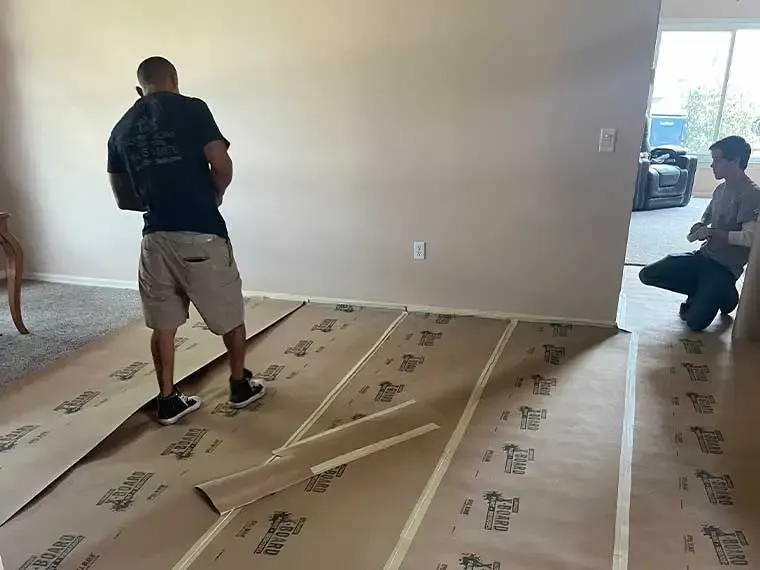
Tile Installation
Good tile work is mostly invisible: flat floors, straight lines, tight even grout joints and no hollow spots. We spend the time on layout and surface…
-
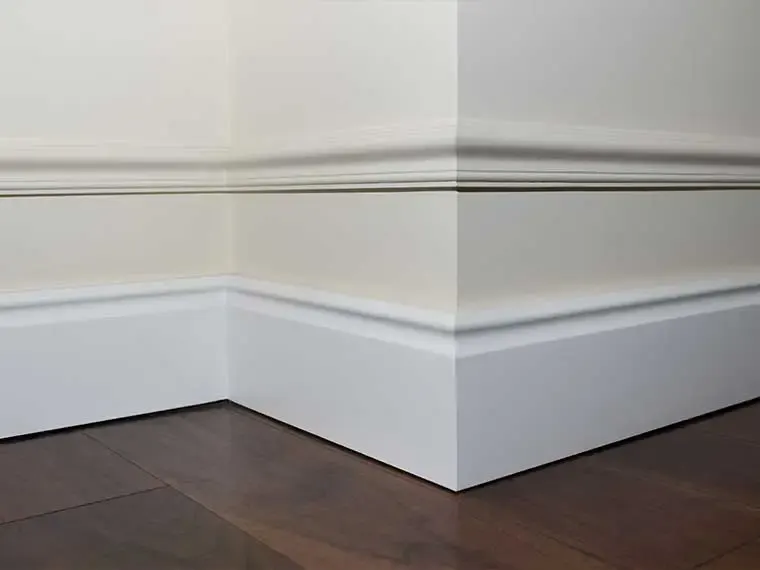
Interior Trim and Moulding Installation
Trim is the detail that makes a room look finished. Baseboards, casings, crown and wall mouldings hide uneven edges, protect walls and give plain rooms real…
-

Areas We Serve Along the Suncoast
From our home base in Bradenton, our crew works across four counties, from the South Shore of Hillsborough down to Punta Gorda. Find your city below,…