


A lot of what people "know" about home water treatment comes from marketing or hearsay. We sort fact from fiction on eight common beliefs so you can make a clear-headed decision about your own water.
Key takeaways
- City water meets drinking standards, so home treatment there is usually about taste, odor and scale rather than safety.
- A softener stops scale but doesn't filter; carbon filters taste and odor but doesn't soften.
- Clear water can still be hard or carry dissolved metals, and only a lab test shows what's there.
- Upkeep is routine: cartridges, salt and membranes on a schedule the manufacturer sets.
When you start researching home water treatment, you'll run into strong opinions in every direction. Some say city water is perfect as-is, others say every home needs a five-stage system. The truth usually sits somewhere in the middle and depends on your own water. Below are eight common water purification myths, along with what's actually true.
| Myth | Fact |
|---|---|
| City water needs nothing | It's safe to drink, but it can still be hard or taste of chlorine |
| One filter removes everything | Each technology targets different problems |
| A softener purifies | It only removes hardness minerals |
| Clear means clean | Many dissolved substances are invisible |
| Systems are a hassle | Upkeep is routine and scheduled |
| Only wells need treatment | City homes deal with hardness too |
| More stages are better | Match stages to your test results |
| It's never worth the cost | Options range from one tap to the whole house |
Myth 1: "City water is already treated, so there's nothing left to improve."
What's true: Municipal utilities treat water to meet drinking water standards, and that's a real protection. But meeting standards doesn't mean the water suits every household's preferences. Utilities disinfect with chlorine or chloramine, which some people can taste and smell, and city water can still be hard enough to leave scale on fixtures and glass. Home treatment on city water is usually about taste, odor and protecting your plumbing and fixtures, not about fixing unsafe water.
Myth 2: "One good filter removes everything."
What's true: No single technology handles every issue; sediment, carbon, softening, reverse osmosis and UV each target something different. That's why effective systems combine stages, as we explain in understanding water purification.
Myth 3: "A water softener purifies water."
What's true: A softener does one job very well: it swaps calcium and magnesium for sodium or potassium so scale stops forming. It isn't a purifier and won't, on its own, fix taste, odor or most other concerns. That's why softened city water can still taste like chlorine. Pairing a softener with carbon filtration is a common solution.
Myth 4: "Clear water is clean water."
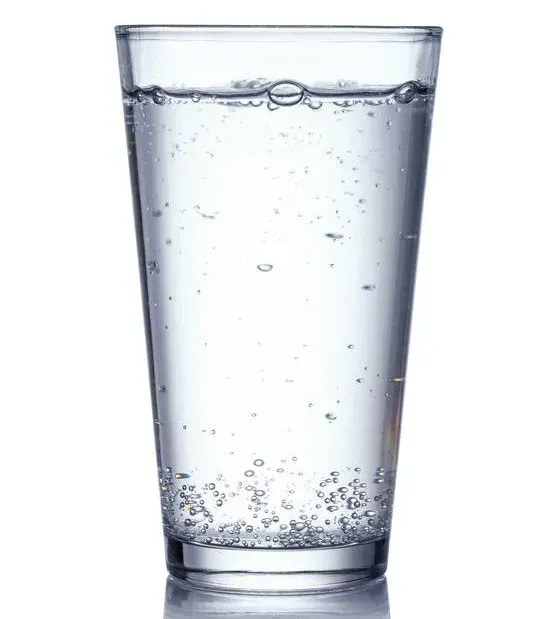
What's true: Many substances dissolved in water, including hardness minerals and many metals, are completely invisible. And the reverse is also true: water that looks a little cloudy may simply contain air bubbles that clear in a few seconds. Appearance, taste and smell are useful clues, but only a water test tells you what's really there. Homeowners can have their water tested by a certified laboratory, and private well owners should test periodically since no utility is monitoring their supply.
Myth 5: "Water treatment systems are a maintenance nightmare."
What's true: Most systems need simple, predictable upkeep. You'll swap filter cartridges on a schedule (household maintenance tips can help you keep track), add salt to a softener's brine tank, and replace RO membranes or UV lamps at the intervals the manufacturer sets. Many control valves regenerate or backwash automatically. The real problem isn't difficulty, it's forgetting. A reminder on your phone or calendar solves most of it.
Myth 6: "Purification is only for people with wells."
What's true: Well owners do carry more responsibility, since they're in charge of testing and treating their own supply. But city customers have reasons to treat water too, especially hardness and disinfectant taste. On the Gulf Coast, where hard water and mineral scale are common complaints and can damage bathroom fixtures, plenty of homes on municipal water benefit from a softener. The signs of hard water are easy to spot once you know them. Our post on what a whole-house water filter is shows how point-of-entry systems serve either kind of home.
Myth 7: "More stages always mean better water."
What's true: Extra stages add cost and maintenance without adding value if they target problems your water doesn't have. A system designed around a test result is usually simpler and more effective than one loaded with every option. The goal is the right equipment, not the most equipment.
Myth 8: "Water treatment is too expensive to be worth it."
What's true: Options range from a single under-sink unit to a full whole-house setup, so there's a wide span of investment levels. The right fit depends on what you're solving. Some households only need better drinking water at the kitchen sink; others need softening for the whole house. A clear recommendation tailored to your water, with upfront pricing, lets you decide what's worth it for you.
A Related Misconception About pH
Some marketing suggests you must push your water toward a high pH. In practice, pH is mainly a concern when water is corrosive or scale-forming, and it's managed with specific equipment based on test results. Our explainer on what pH level means covers the basics without the hype.
Getting Straight Answers
We'd rather show you a test result than a sales pitch. If you'd like a clear look at your water and a recommendation that fits your home and budget, we install residential water purification systems across Sarasota, Bradenton and nearby communities.
Frequently Asked Questions
Does a water softener make my water taste salty?
Will a whole-house system lower my water pressure?
How often should I retest my water?
Can I install a water treatment system myself?
Keep Exploring
-
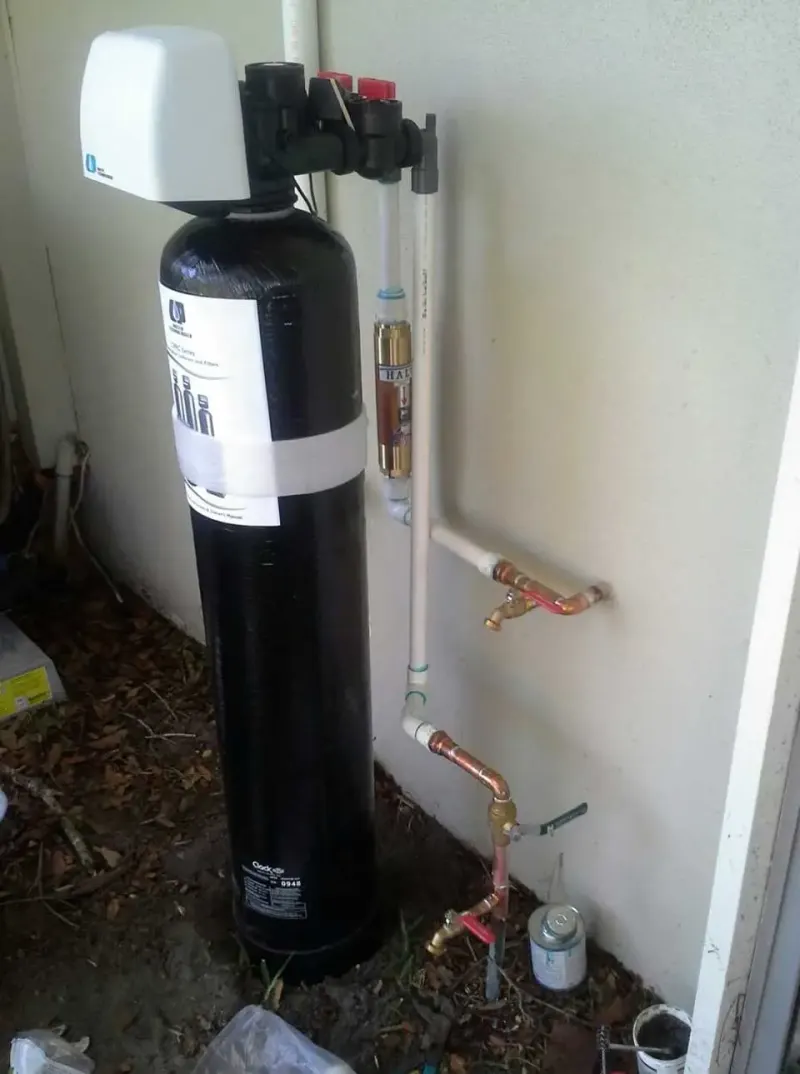
Water Purification Systems
Scale on your shower glass, spots on your dishes and water that tastes of chlorine all have fixes. We help you understand what's in your water,…
-
 Blog
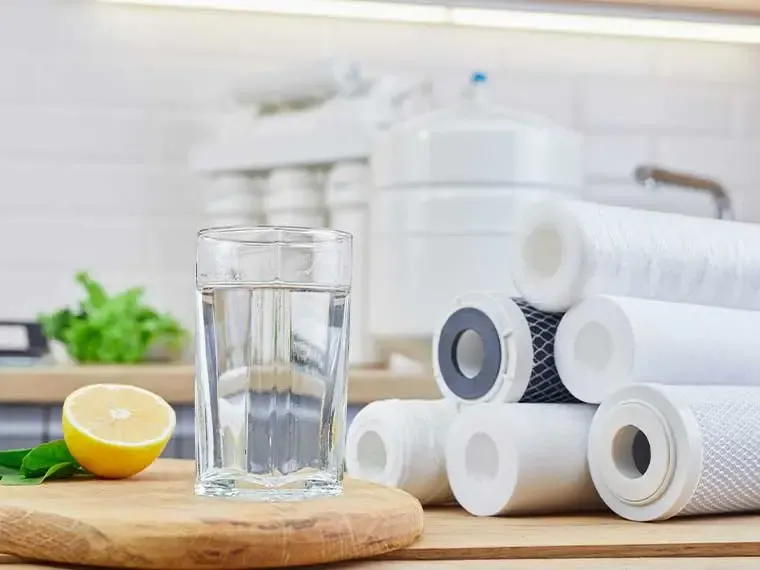
Understanding Water Purification
Filters, softeners, membranes and UV lamps all get called "water purification," but each one solves a different problem. Here's how they work, so you can match…
-
 Blog
What Is a Whole House Water Filter?
A whole house water filter treats water once, where it enters your home, so every faucet, shower and appliance gets the benefit. Here's how these point-of-entry…
-
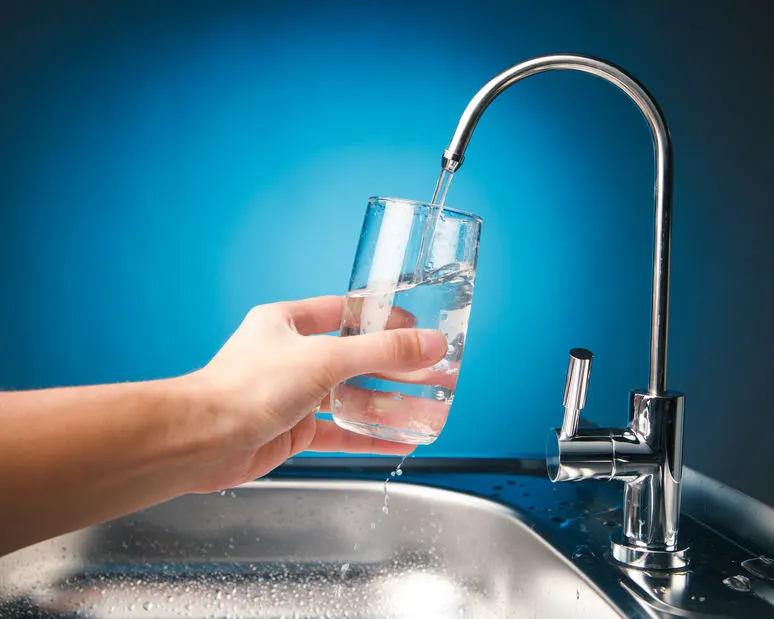 Blog
What Does pH Level Mean for Your Water?
pH is one of the most talked-about numbers on a water test and one of the least understood. Here's what the scale measures, what low or…
-
Water Purification Systems in Sarasota, FL
Tired of hauling cases of bottled water, or of scrubbing scale off the shower glass? Here's how Sarasota homeowners choose between under-sink and whole-house water treatment,…