


pH is one of the most talked-about numbers on a water test and one of the least understood. Here's what the scale measures, what low or high readings can do to your plumbing, and how homeowners typically correct it.
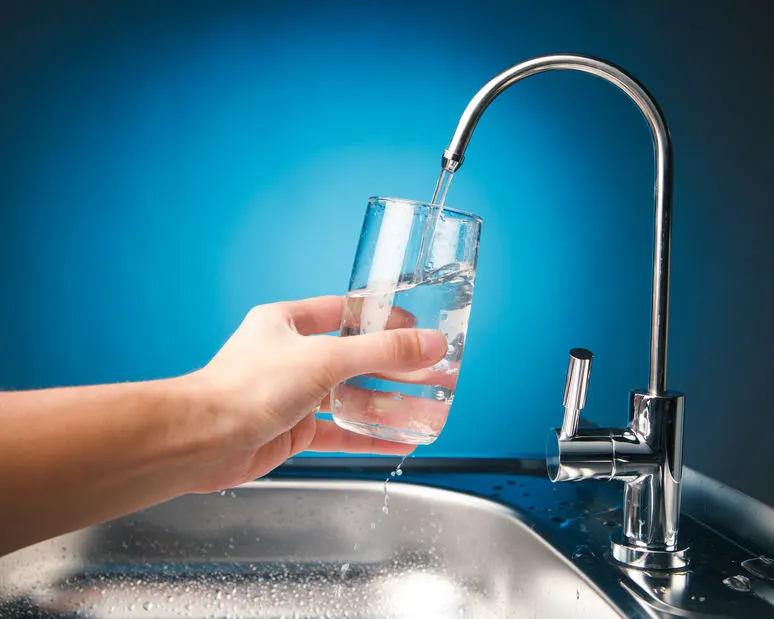
Key takeaways
- pH runs from 0 to 14 on a logarithmic scale, so pH 6 is ten times more acidic than pH 7.
- The EPA's non-enforceable secondary standards suggest 6.5 to 8.5 for household water.
- Acidic water can corrode copper, leaving blue-green stains and wearing faucets and valves.
- Low pH is usually corrected with an acid-neutralizing filter, chosen based on a water test.
Look at almost any water test report and you'll find pH near the top. It's a simple number, but it tells you a lot about how your water behaves inside your pipes, water heater and fixtures. Understanding the pH level of drinking water helps you read your test results with confidence and recognize when a stain or taste is pointing to a chemistry problem rather than a dirty faucet.
The pH Scale in Plain Terms
pH measures how acidic or basic (alkaline) water is, on a scale from 0 to 14.
- 7 is neutral. Pure water sits right at 7.
- Below 7 is acidic. The lower the number, the more acidic.
- Above 7 is basic, or alkaline. The higher the number, the more alkaline.
The scale is logarithmic, which means each whole number represents a tenfold change. Water at pH 6 is ten times more acidic than water at pH 7. That's why a reading that looks only slightly off can still matter.
What's Considered Normal?
The U.S. Environmental Protection Agency lists a pH range of 6.5 to 8.5 among its secondary drinking water standards. Secondary standards are non-enforceable guidelines aimed at aesthetic and practical issues such as taste, staining and corrosion, rather than health limits. Public water systems manage pH as part of their treatment, partly to keep water from corroding pipes. Private well owners, by contrast, are responsible for testing and managing their own water.
Why pH Matters to Your Plumbing
When water is too acidic
Low-pH water is often called corrosive or "aggressive" because it can slowly dissolve metal from pipes and fixtures. Common clues include:
- Blue-green stains in sinks, tubs and around drains, a typical sign of water reacting with copper plumbing
- A metallic or sour taste
- Pinhole leaks in copper pipes over time
- Faster wear on faucets, shower valves and water heater components
When water is too alkaline
High-pH water is less likely to corrode metal, but it tends to encourage scale, especially when the water is also hard. You might notice:
- A slippery feel or bitter taste
- More scale on fixtures, shower heads and glass
- Deposits in water heaters and appliances
Many of these overlap with the signs of hard water, which is why a full test, not a single symptom, should guide treatment.
What Affects Water's pH?
Water picks up its character from where it's been. Several natural factors influence pH:
- Geology. Water that travels through limestone tends to be harder and more alkaline, while water from areas with less buffering rock can be more acidic.
- Dissolved gases. Carbon dioxide dissolved in groundwater forms a weak acid and lowers pH.
- Organic matter. Decaying plant material in soil and surface water can contribute acidity.
- Rainfall and runoff. Rain is naturally slightly acidic, and runoff patterns can shift surface water chemistry.
For city customers, the utility adjusts pH during treatment, so it's usually stable. Well water can vary much more from home to home, even within the same neighborhood.
How pH Is Typically Corrected
pH problems are solved with equipment designed specifically for them. Ordinary sediment and carbon filters generally don't change pH much.
| Situation | Common approach |
|---|---|
| Water is acidic (low pH) | An acid-neutralizing filter, often a tank of calcite media that dissolves slowly and raises pH; some systems also use other blended media |
| Strongly acidic water | May call for a chemical feed system designed around test results |
| RO water tastes flat | A remineralization stage after the membrane |
| Water is alkaline and hard | Usually addressed by softening the hardness rather than chasing the pH number |
Because neutralizing media can add some hardness as it dissolves, a neutralizer is sometimes paired with a softener. The details depend on your test results, so that's where to start. Our primer on understanding water purification explains how these stages fit together.
Don't Fall for the Hype
You'll find plenty of products promising dramatic benefits from changing your water's pH. For a household water system, the practical goal is modest: water that's balanced enough not to corrode your plumbing or coat it with scale. Our post on water purification myths tackles a few related claims.
Protecting Your Fixtures
If you've seen blue-green staining or pitting on fixtures, it's worth sorting out the water chemistry before replacing them, so new sinks and faucets aren't exposed to the same conditions. Homeowners can have their water tested by a certified lab, and Today's Home Services can help you interpret the results and install water treatment equipment matched to what the test shows. Ask us for a free estimate when you're ready.
Frequently Asked Questions
What pH should household water be?
Does a regular water filter change pH?
Is alkaline water better than neutral water?
How often should I check my water's pH?
Keep Exploring
-
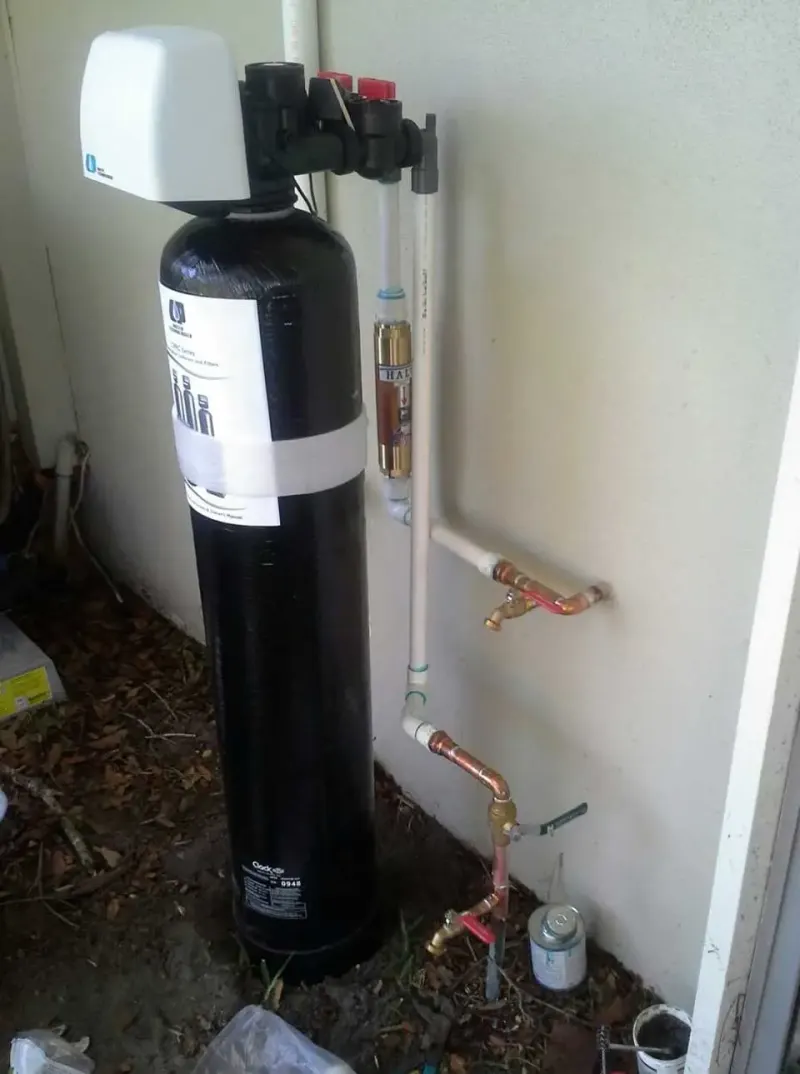
Water Purification Systems
Scale on your shower glass, spots on your dishes and water that tastes of chlorine all have fixes. We help you understand what's in your water,…
-
 Blog
Signs of Hard Water Issues
Crusty faucets and cloudy glasses are classic clues, but not every water problem is hardness. Use this checklist to recognize true hard water symptoms, rule out…
-
 Blog
Myths on Water Purification
A lot of what people "know" about home water treatment comes from marketing or hearsay. We sort fact from fiction on eight common beliefs so you…
-
 Blog
Understanding Water Purification
Filters, softeners, membranes and UV lamps all get called "water purification," but each one solves a different problem. Here's how they work, so you can match…
-
 Bathroom Service
Bathroom Sinks and Faucets
The sink and faucet are what you touch every morning and every night. Getting the basin, the faucet drilling and the finish to work together is…