


Small habits protect big investments. These are the maintenance routines we recommend after we finish a job, adapted for humid, hard-water Gulf Coast homes and their long rainy season.
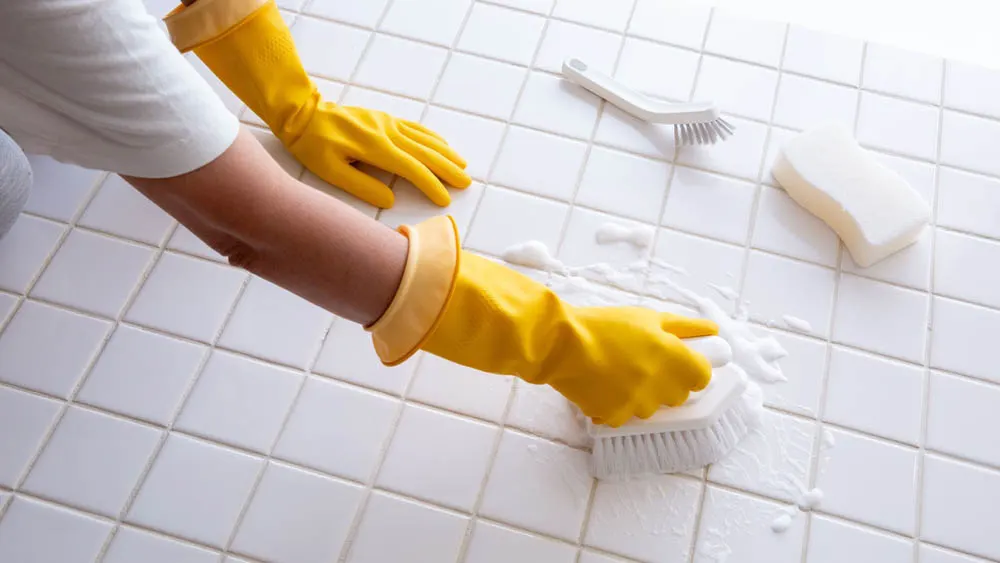
Many expensive repairs start as small, easy-to-ignore problems: a grout joint that cracked and let water through, a drain that stayed slow for months, a filter that was never changed. Regular maintenance won't make anything last forever, but these Florida home maintenance tips stretch the life of tile, floors, fixtures and finishes, and they help you catch trouble early. Start with the seasonal checklist, then use the sections below for each area of the house.
A seasonal checklist for Gulf Coast homes
| When | What to do |
|---|---|
| Monthly | Clean grout with a pH-neutral cleaner; check under sinks for drips; check softener salt; replace a worn shower drain cover |
| Every few months | Inspect caulk at tubs, showers and vanities; check AC filters and change them on the manufacturer's schedule; tighten cabinet hinges |
| Before hurricane season | Know where your main water shutoff is; check exterior caulk around windows and doors; clear gutters and downspouts; note any loose trim or fascia |
| After the rainy season | Look for mildew on bathroom ceilings and exterior walls; check for peeling paint and stucco cracks; test grout for resealing |
| Yearly | Replace filters and RO membranes as scheduled; service the water treatment system; reseal natural stone counters if water stops beading |
Tile and grout
Tile itself is durable. Grout is the weak point, because cement grout is porous and absorbs water, soap and dirt. Sweep before you mop so grit doesn't get ground into the joints, squeegee shower walls after each use, clean grout monthly with a soft nylon brush, and reseal cement grout when water soaks in instead of beading. Watch for cracked grout, hollow-sounding tiles and failed caulk where the tub meets the wall.
Our article on tile and grout maintenance covers products and techniques in depth, and how often grout cleaning should be done explains when professional cleaning makes sense. When DIY cleaning stops making a difference, our tile and grout cleaning service can deep clean, regrout and seal.
Tip: Use a flat microfiber mop and change the water often. A dirty mop bucket is one of the main reasons light grout turns gray.
Caring for a newly remodeled bathroom
A new bathroom is at its most vulnerable in the first months, while you're learning how it behaves. A few habits keep it looking new:
- Run the exhaust fan during every shower and for a good while afterward. In a humid Florida climate, moisture that lingers is what feeds mildew. Our guide on why bathrooms get mold in Florida explains why ventilation matters so much here.
- Squeegee glass and tile walls after each use to prevent hard-water spots from bonding to the surface.
- Follow the care instructions for your specific materials. Natural stone, quartz, solid-surface tops and specialty fixture finishes each have their own recommended cleaners.
- Check caulk joints at the tub, shower base and vanity backsplash every few months, and recaulk any that crack or pull away.
- Don't hang heavy items from towel bars or shower niches that weren't designed for it. If you need support, ask about grab bars installed into solid blocking.
Plumbing and drains
- Clear hair from drains and P-traps regularly. A drain cover in the shower helps a lot.
- Look under sinks every month or two for drips, damp cabinet floors or corrosion on supply lines.
- Fix running toilets and dripping faucets promptly. Besides wasting water, they often signal worn parts that will fail completely.
- Know where your main shutoff is, and make sure everyone in the house does too.
Floors
Whatever the floor, the basics are similar: keep grit off the surface, wipe spills quickly and protect against scratches.
- Put felt pads under furniture legs and replace them when they wear thin.
- Use mats at exterior doors to trap sand, which acts like sandpaper on finishes.
- Avoid soaking floors. Vinyl plank and wood in particular don't like standing water at the seams.
- Clean epoxy floors with a mild cleaner and a soft mop; harsh chemicals can dull the finish.
Countertops and cabinets
Granite and other natural stone countertops benefit from periodic resealing and gentle, stone-safe cleaners. Quartz is non-porous and doesn't need sealing, but it doesn't love high heat, so use trivets. On all counters, avoid abrasive pads.
For cabinets, wipe surfaces with a mild cleaner, tighten loose hinges and pulls, and adjust doors that have started to sag or rub so they close squarely. Watch the cabinet floor under sinks for water stains.
Exterior
Sun, salt air and afternoon storms are hard on the outside of a Florida home. Rinse exterior walls now and then to remove dirt, salt and mildew. Check caulk around windows, doors and penetrations, and replace any that's cracked or pulling away. Look for chalky, faded or peeling paint, especially at fascia boards and on south- and west-facing walls, and fill hairline stucco cracks before rain gets behind them. When it's time to repaint, our interior and exterior painting service handles the prep and paint.
Water treatment systems and AC
Many Gulf Coast homes deal with hard water and mineral scale, and a treatment system only works if it's maintained.
- Change filters on schedule. Sediment, carbon and reverse osmosis filters all have recommended replacement intervals. Write the date on the housing.
- Keep salt in the softener, and check now and then for a salt bridge (a hard crust that stops salt from dissolving).
- Notice changes. Lower pressure, returning spots on glass or a change in taste are signs a filter or setting needs attention.
- Keep the AC running, even when you travel, so indoor humidity stays steady for wood floors, cabinets and paint.
If you're not sure whether your water is hard, our post on the signs of hard water is a good place to start, and our water purification systems service covers installation and ongoing service.
When to call a professional
Some things are worth a second set of eyes: grout cracking repeatedly in the same spot, a floor that feels soft near a tub or toilet, staining on a wall next to a shower, or tile that sounds hollow. These can point to moisture behind surfaces. Our guide article on water damage behind shower walls describes what to look for, and a free consultation will tell you what's going on.
Frequently Asked Questions
How often should I reseal grout?
What's a common maintenance mistake?
How do I know if a small leak is serious?
Keep Exploring
-
 Blog
Tile and Grout Maintenance Tips
Good tile care is mostly small habits done consistently. These are the routines and product choices we recommend to homeowners after we finish a cleaning, sorted…
-
 Blog
How Often Should Grout Cleaning Be Done?
There isn't one right interval for every room. A busy family shower and a seldom-used guest bath need very different schedules. Use this room-by-room guide to…
-
Tile and Grout Cleaning
Dingy grout lines make even good tile look tired. We assess your floors, showers and backsplashes, clean them with methods matched to the material, seal what…
-
 Why
Why Bathrooms Get Mold in Florida
Mold needs moisture, a surface to feed on and time. A Florida bathroom supplies all three generously, and a few common building shortcuts make it far…
-
 Blog
Signs of Hard Water Issues
Crusty faucets and cloudy glasses are classic clues, but not every water problem is hardness. Use this checklist to recognize true hard water symptoms, rule out…
-
Water Purification Systems
Scale on your shower glass, spots on your dishes and water that tastes of chlorine all have fixes. We help you understand what's in your water,…