


Good tile care is mostly small habits done consistently. These are the routines and product choices we recommend to homeowners after we finish a cleaning, sorted by what they protect against.
Key takeaways
- A quick squeegee pass and a fan left running after each shower keep soap film and minerals from settling into the grout.
- Dry-mop before you wet-mop, so sand isn't turned into a slurry and pushed into the joints.
- Use a pH-neutral tile cleaner for routine care and save acids and harsh degreasers for occasional, targeted use.
- Reseal cement grout when water stops beading on it, and replace failing caulk at corners promptly.
Tile has a reputation for being low-maintenance, and compared with carpet or wood it is. But "low" isn't "no." Stained, cracked and moldy grout usually gets that way through small habits repeated for years, not through one big mistake, and good habits work the same way in reverse. These tile and grout maintenance tips are the tile-specific part of our broader home maintenance tips, grouped by what they protect against.
Protecting Against Moisture
Squeegee the shower
A ten-second pass with a squeegee after each shower removes most of the water that would otherwise sit on the walls, evaporate and leave soap film and minerals in the grout lines. It's one of the most effective habits you can build.
Run the fan, and leave it running
Turn the exhaust fan on when you start showering and leave it on for a while afterward. A fan sized for the room clears moisture faster, and leaving the door open helps too. In our humid climate, a bathroom that stays damp for hours is a mildew nursery.
Keep an eye on caulked corners
The joints where walls meet each other, the tub or the shower floor are usually caulked rather than grouted because they move slightly. When that sealant peels or cracks, water gets behind the tile. Replacing it is a small job. Ignoring it can lead to the problems in our article on water damage behind shower walls.
Reseal cement grout when water stops beading
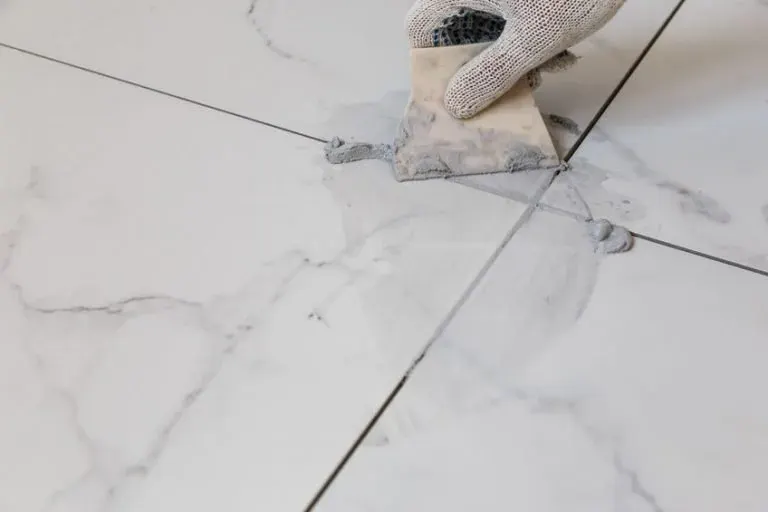
Drip some water onto the grout. If it beads, you're fine. If it darkens and soaks in, the sealer is spent. A penetrating sealer applied to clean, dry grout helps keep water and stains out. Epoxy grout generally doesn't need it.
Protecting Against Grit and Wear
Dust-mop before you wet-mop
Mopping a sandy floor just turns grit into a slurry and pushes it into the joints. Dry-mop or vacuum first, using a hard-floor setting without a beater bar.
Put mats where the sand comes in
Good walk-off mats at the front door, garage entry and lanai slider catch a surprising amount of beach and yard sand. Shake them out often so they don't become a sand reservoir.
Use felt pads and lift, don't drag
Chair legs and moved furniture can chip tile edges and scuff grout. Felt pads are cheap insurance.
Change your mop water
Dirty mop water redeposits dirt into the grout lines, which are the low points of the floor. Rinse and refill often, and change the mop head regularly.
Protecting Against Chemical Damage
Choose pH-neutral cleaners for routine use
Strongly acidic and strongly alkaline products have their place, but not every week. Acids can etch natural stone and weaken cement grout. Harsh alkaline degreasers can strip sealer. A neutral cleaner made for tile handles most routine jobs.
Know your tile
Marble, travertine and limestone are much more sensitive than porcelain. If you're unsure what you have, our guide to bathroom tile types can help you identify it, and the cleaning rules differ accordingly.
Be careful with bleach
Bleach can lighten some colored grouts unevenly and doesn't remove the film that mildew grows on. Use it sparingly and rinse well, or choose a cleaner designed for mildew on tile.
Rinse thoroughly
Cleaner residue left on tile attracts dirt and leaves a dull film. Rinse with clean water after any cleaning product.
Protecting Against Hard Water
Many homes in our area deal with hard water, and mineral scale bonds to tile, glass and grout. Wipe down fixtures and glass regularly before scale builds up, and treat light scale early with a product safe for your surfaces rather than waiting until it takes aggressive chemistry. If scale is constant, a whole-house water purification system can reduce it everywhere at once.
Tools to Keep, and Tools to Skip
| Keep on hand | Avoid on tile and grout |
|---|---|
| Microfiber dust mop and cloths | Steel wool and wire brushes |
| Soft- to medium-nylon grout brush | Abrasive scouring powders on glazed or polished tile |
| Shower squeegee | Colored scrub pads that leave residue on light grout |
| pH-neutral tile cleaner | Vinegar and lemon on natural stone |
| Penetrating grout sealer | Pressure washers indoors |
A Care Checklist to Keep
These are tasks, not a cleaning schedule. Keep the list where you'll see it.
Daily
- Squeegee shower walls and glass after the last shower.
- Leave the fan running and the shower door or curtain open.
- Wipe spills on kitchen and bath floors as they happen.
Weekly
- Dry-mop or vacuum floors, then damp-mop with a pH-neutral cleaner.
- Wipe faucets, shower heads and ledges before scale builds.
- Shake out entry and lanai mats.
Monthly
- Scrub shower grout lines with a nylon brush, then rinse.
- Check caulked corners and the tub edge for peeling or dark spots.
- Clean the grout around the toilet base.
Yearly
- Do the water-drop test on cement grout and reseal where needed.
- Look for cracked joints, loose tiles or grout that stays dark after drying.
- Decide whether a professional deep cleaning would reset the surface.
Know When to Call for Help
These habits slow wear, but they won't reverse years of embedded grime, deep mold staining or cracked joints. Our guide on how often grout cleaning should be done suggests when a professional deep cleaning makes sense, and our tile and grout cleaning service can reset the surface so your routine starts from clean. If you'd like us to take a look, we're happy to give you a free, no-pressure estimate.
Frequently Asked Questions
How do I keep white grout white?
Do steam mops hurt tile or grout?
What is the easiest habit that makes the biggest difference?
Should the corner joints in my shower be grout or caulk?
Keep Exploring
-
Tile and Grout Cleaning
Dingy grout lines make even good tile look tired. We assess your floors, showers and backsplashes, clean them with methods matched to the material, seal what…
-
 Blog
How Often Should Grout Cleaning Be Done?
There isn't one right interval for every room. A busy family shower and a seldom-used guest bath need very different schedules. Use this room-by-room guide to…
-
 Blog
How Cleaning Can Extend the Lifespan of Tiles and Grout
Tile is tough, but the things that build up on it aren't harmless. Here's what actually wears tile and grout down over time, and how cleaning…
-
 Understanding
Grout Types: Choosing the Right Grout for a Bathroom
Grout fills the gaps, locks tile edges together and takes most of the daily abuse in a shower. Choosing the right kind depends on joint width,…