


Grout fills the gaps, locks tile edges together and takes most of the daily abuse in a shower. Choosing the right kind depends on joint width, tile type and how much maintenance you're willing to do.
Key takeaways
- Joint width decides the grout family: sanded for wider joints, unsanded for narrow joints and delicate surfaces.
- High-performance cement grouts and epoxy resist stains far better than standard cement grout, and some need no sealer.
- Corners and changes of plane get flexible sealant, not grout, or they crack.
- Sealer slows absorption but doesn't make grout waterproof; the membrane behind the tile does that.
Ask anyone who has scrubbed a shower what wears out first and the answer is usually grout. It is the softest, most porous and most exposed part of a tile installation. Yet grout gets chosen almost as an afterthought, often just by color. Understanding the main grout types helps you match the material to the job, and that choice has a lot to do with how your shower looks in five years.
Below we work through grout the way an installer thinks about it: first the joint, then the material, then the finish and care.
Start with the joint
Grout choice begins with how wide the gaps between tiles will be. That width depends on the tile:
- Rectified porcelain (precisely ground edges) can use narrow joints, often around 1/16 to 1/8 inch, if the tile is flat and the substrate is true.
- Non-rectified tile has slight size variation and softer edges, so joints are usually wider, around 1/8 to 3/16 inch or more.
- Handmade-look or natural stone may need wider joints to absorb irregularity.
- Large-format tile often has some warpage, so tile makers specify a minimum joint. Squeezing it tighter can make lippage worse.
Always check the tile manufacturer's recommended joint. Then pick a grout that is rated for that width.
The five main grout types
Sanded cement grout
Portland cement, fine sand and additives. The sand gives it body so it does not shrink and crack in wider joints.
- Use it for: joints roughly 1/8 inch and wider, floors, most standard wall tile.
- Avoid it on: polished marble, glass and some soft glazes, where the sand can scratch during application.
- Care: porous, so sealing is commonly recommended.
Unsanded cement grout
The same cement base without sand, giving a smoother, stickier mix.
- Use it for: narrow joints, typically under 1/8 inch, and delicate surfaces like polished stone and glass.
- Avoid it in: wide joints, where it tends to shrink and crack.
- Care: also porous; sealing is commonly recommended.
High-performance cement grout
A newer generation of cement grouts, often polymer-modified and sold as single-component or "high-performance" products. They're designed for more uniform color and much better stain resistance than standard cement grout, and some don't need a sealer. Follow the specific product's instructions on joint width and sealing.
- Use it for: shower walls and floors, bathroom floors, and anyone who wants easier care without the demands of epoxy.
- Trade-offs: formulas vary widely by brand, so the product sheet matters more than the label.
- Care: per product; some need no sealer.
Epoxy grout
A two-part resin and hardener system, sometimes with fillers. It cures into a hard, dense material.
- Use it for: shower floors, high-moisture areas and anyone who wants stain resistance without sealing.
- Trade-offs: it sets quickly, is harder to work with and must be cleaned off tile faces promptly. Installers need experience with it.
- Care: generally no sealing needed.
Urethane and premixed grouts
Ready-to-use grouts that come in a bucket. Formulas vary: some are urethane or acrylic based, others are hybrid blends.
- Use it for: smaller jobs, repairs and situations where color consistency matters, since there is no on-site mixing.
- Trade-offs: cure times can be longer, and some products have limits on use in continuously wet areas. Read the label for shower suitability.
- Care: many are marketed as not needing sealer; follow the specific product.
Quick comparison
| Grout | Joint width | Stain resistance | Ease of install | Sealing |
|---|---|---|---|---|
| Sanded cement | Wider (about 1/8" +) | Moderate | Easy | Usually recommended |
| Unsanded cement | Narrow (under 1/8") | Moderate | Easy | Usually recommended |
| High-performance cement | Per product | High | Easy to moderate | Per product, sometimes none |
| Epoxy | Wide range per product | High | Demanding | Usually not needed |
| Urethane / premixed | Per product | Good to high | Easy | Per product |
Which grout goes where
| Location | Suggested grout family | Why |
|---|---|---|
| Shower floor | Epoxy or high-performance cement | Constant water and soap; stain resistance pays off |
| Shower walls | High-performance cement, epoxy or sanded/unsanded per joint | Less standing water than the floor |
| Bathroom floor | Sanded or high-performance cement | Wider joints, foot traffic, easy repairs |
| Polished marble or glass tile | Unsanded or a product rated for delicate surfaces | Sand can scratch the face |
| Corners and changes of plane | Flexible sealant, not grout | These joints move |
How grout is applied, and why it matters
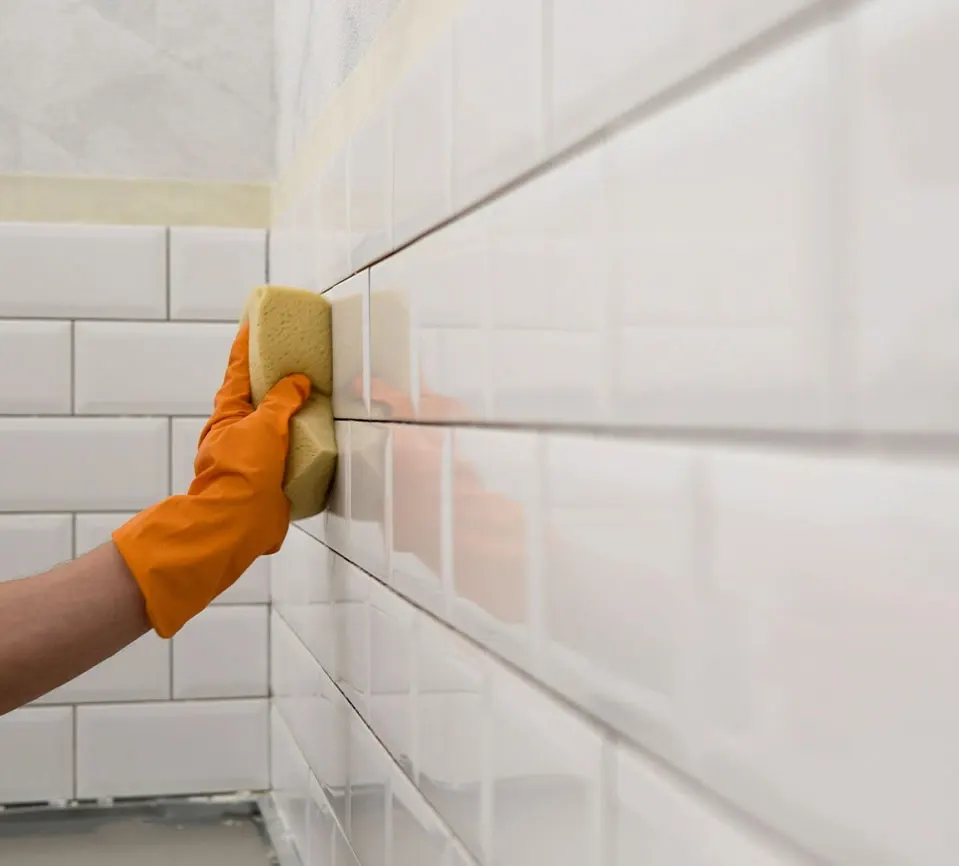
Even the right grout fails if it is mixed or placed badly. Cement grouts are mixed with a measured amount of water; adding extra to make spreading easier weakens the cured grout and can cause blotchy color. The installer packs the joints full with a rubber float held at an angle, works diagonally across the tile so the edge does not drag grout out of the joints, then shapes and cleans the lines with a damp sponge after the grout firms up. A final buff removes haze. Epoxy follows a stricter routine, with small batches and prompt cleanup, because it cannot be scrubbed off easily once it sets.
Movement joints: where grout should not go
Grout is rigid. Buildings move, especially where walls meet floors, at inside corners and where tile meets a tub. Industry practice is to leave those joints for a flexible sealant instead of grout. When grout is packed into these spots it often cracks within months, and homeowners assume the grout was bad. Cracked grout can also be a sign of deeper trouble, covered in why shower tile fails. Our blog post on what causes grout to crack covers this and other causes in more depth.
Sealing cement grout
Sealer doesn't make grout waterproof; that's the job of the waterproofing layer behind the tile. Sealer slows absorption so spills and soap scum sit on the surface longer and wipe off more easily. A few practical notes:
- Let new grout cure for the period the manufacturer specifies before sealing.
- Apply a penetrating sealer to the joints, wiping excess off the tile.
- Test periodically: if water darkens the grout quickly, it may be time to reseal.
Tip: On the Gulf Coast, hard water leaves mineral film on grout lines. A squeegee after each shower and a pH-neutral cleaner do more to keep grout looking new than any sealer alone. Our tile and grout maintenance tips cover routine care.
Color choices that age well
Mid-tone grays and warm beiges hide everyday staining better than bright white. Very dark grout on a light tile can show soap residue and mineral deposits. If you want a seamless look, choose a color close to the tile; if you want the pattern to stand out, contrast it, but expect contrasting joints to show any irregular spacing.
When grout needs more than cleaning
Grout that is cracked, missing or crumbling allows water into the tile assembly faster. Deep cleaning helps stained but sound grout, while grout replacement removes the old material and refills the joints. Our tile and grout cleaning service handles both, and if the problem turns out to be the tile or waterproofing underneath, we can talk through a bathroom tile replacement instead. For new tile, our tile installation page explains how grout selection fits into the job.
More Understanding Articles
Frequently Asked Questions
How long should new grout cure before I use the shower?
Does epoxy grout need to be sealed?
Can I change my grout color without retiling?
What grout should go in the corners of a shower?
Keep Exploring
-
Tile and Grout Cleaning
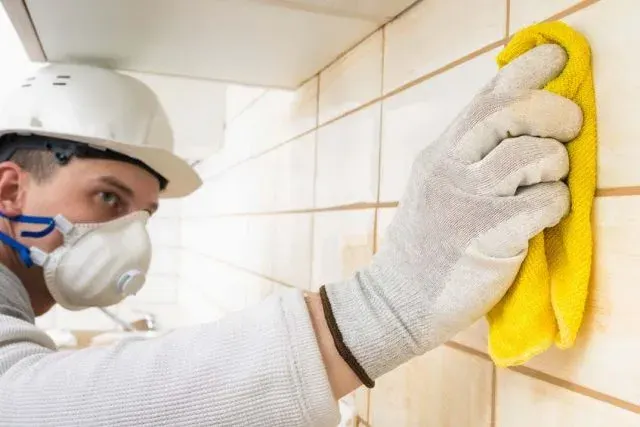
Dingy grout lines make even good tile look tired. We assess your floors, showers and backsplashes, clean them with methods matched to the material, seal what…
-
 Blog
Grout Replacement and Regrouting
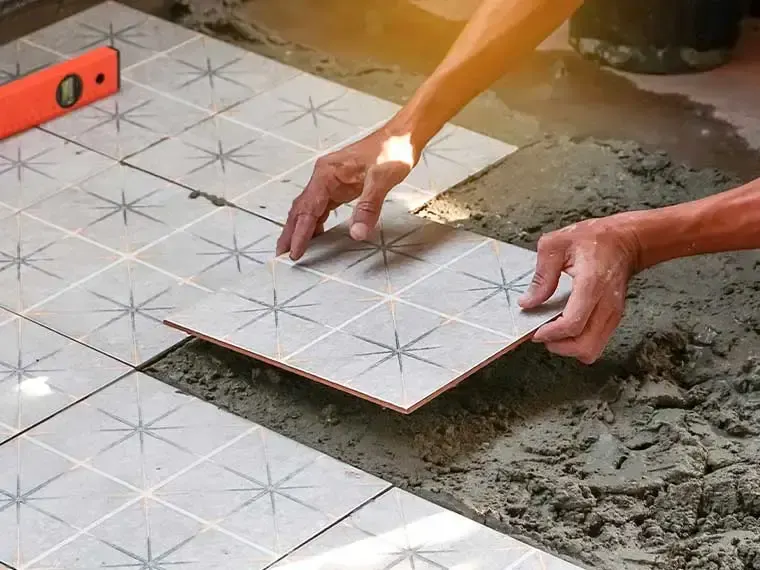
Sound tile surrounded by crumbling, stained or missing grout doesn't always need to be torn out. Here's how we remove old grout, choose the right replacement…
-
 Blog
What Causes Grout to Crack?
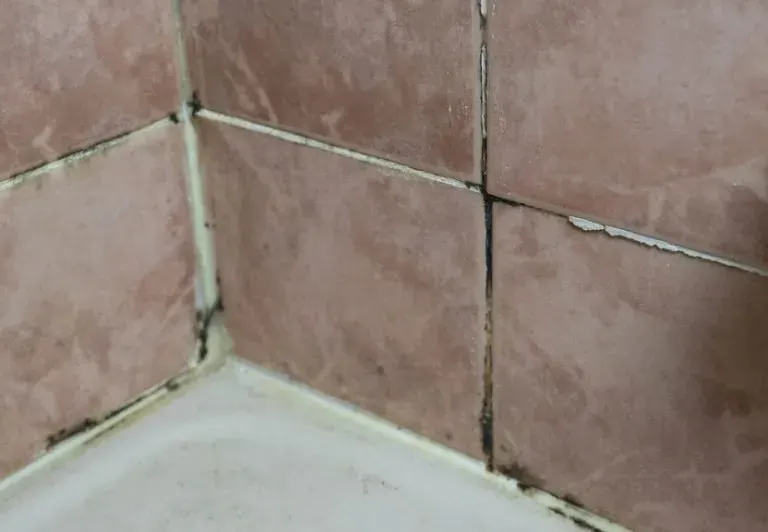
Grout cracks for a reason, and the pattern of the cracks often tells you which one. Here's how to read what you're seeing and decide whether…
-
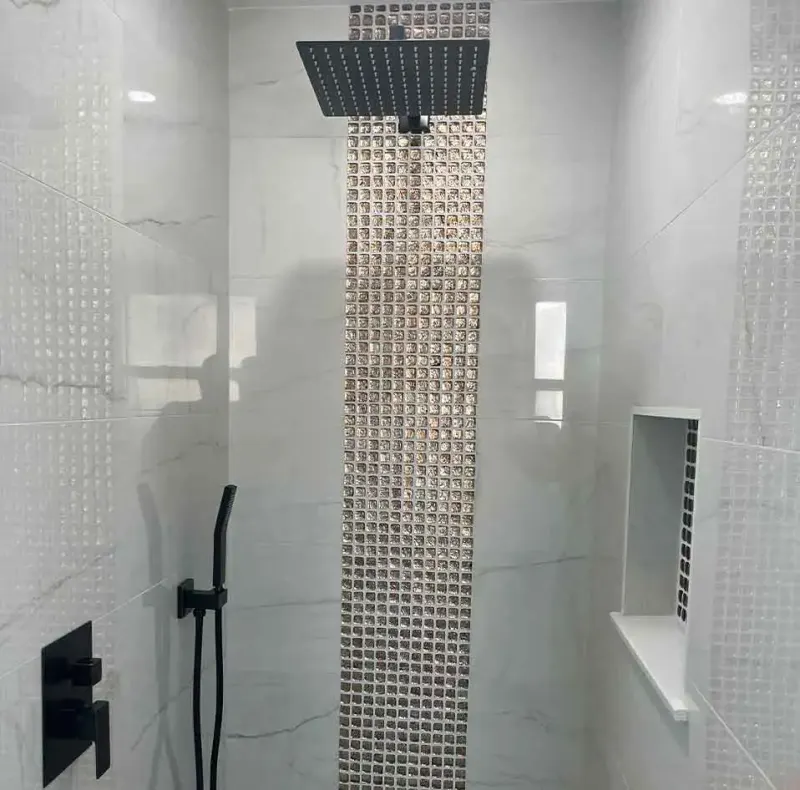 Bathroom Service
Bathroom Wall & Shower Tile Installation
Good tile looks effortless because the hard thinking happened before the first piece went up. We plan every wall, edge and niche so your shower and…
-
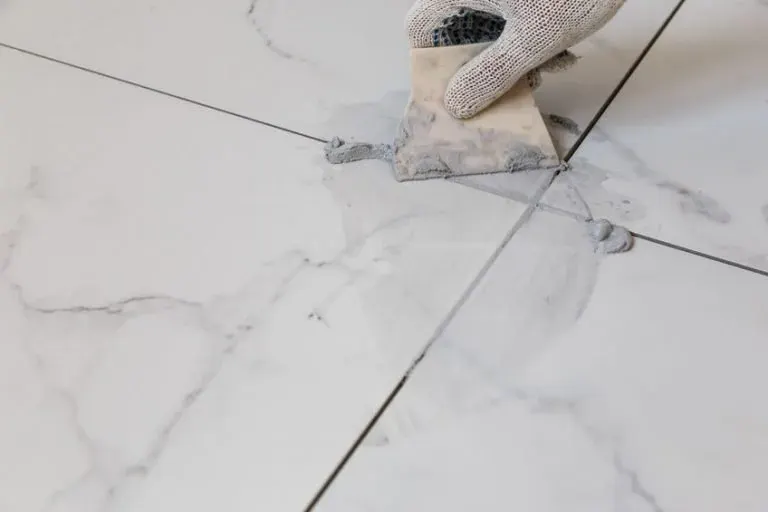 Blog
Tile and Grout Maintenance Tips
Good tile care is mostly small habits done consistently. These are the routines and product choices we recommend to homeowners after we finish a cleaning, sorted…
-
Tile Installation
Good tile work is mostly invisible: flat floors, straight lines, tight even grout joints and no hollow spots. We spend the time on layout and surface…