


Sound tile surrounded by crumbling, stained or missing grout doesn't always need to be torn out. Here's how we remove old grout, choose the right replacement and leave your tile looking new again.
Key takeaways
- Regrouting makes sense when the tile is still well bonded but the grout is cracked, crumbling or stained deep into the joint.
- Old grout is cut out to a consistent depth, the joints are cleaned, and new grout is packed and tooled before sealing.
- Inside corners and tub joints get flexible sealant instead of rigid grout, because those joints move.
- Loose or hollow tiles need resetting first; new grout can't re-bond a tile to its mortar bed.
Grout is easy to ignore until it turns gray, sprouts black spots in the shower corners, or starts falling out of the joints in little sandy chunks. At that point a lot of homeowners assume the whole floor or shower has to go. Often it doesn't. If the tile itself is still well bonded and in good shape, grout replacement can bring the surface back for a fraction of the disruption of a re-tile. It's also a job where the before-and-after difference is obvious the same day the haze comes off.
Signs It's Time for Grout Replacement
Our first step is to ask whether a deep tile and grout cleaning will get you where you want to be, because plenty of grout that looks hopeless is just dirty. Some problems sit inside the grout, though, and no scrubbing reaches them. We recommend replacement over cleaning when we see:
- Missing or crumbling grout in more than a few isolated spots
- Cracks that keep coming back after spot repairs
- Deep discoloration or mold staining that has soaked into porous cement grout
- Lingering musty odors in a shower even after a thorough cleaning
- Grout that's been damaged by acidic or harsh cleaners and now feels soft or sandy
If the grout is cracking because the floor underneath is moving, new grout alone won't hold. We explain the usual culprits in our post on what causes grout to crack, and we'll tell you if we see signs of a bigger issue.
Repair, Replacement or New Tile?
These three options get blurred together, so here's how we think about them:
| Situation | What usually makes sense |
|---|---|
| A small area of cracked or missing grout, the rest is sound | Spot repair with color-matched grout |
| Grout failing throughout, tile well bonded and undamaged | Full grout replacement |
| Loose, hollow, cracked or chipped tiles across the area | Re-tiling, possibly with a bathroom tile update |
| Soft spots, water damage or a failed shower pan | Tear-out and rebuild of the assembly |
Spot repairs are the least invasive, but aged grout shifts color, so a patch can stand out. When more than a handful of joints are failing, a full replacement usually looks better and lasts longer.
How Our Grout Replacement Works
1. Evaluation
We look at the condition of the tile, tap for hollow spots, check the joints at corners and around the tub, and ask how the room is used. That conversation shapes which grout we recommend.
2. Protecting the room
Drains get covered, fixtures and vanity tops get padded, and nearby flooring is protected. Removing grout creates fine dust, and we keep it contained.
3. Removing the old grout
Joints are cut out to a consistent depth using grout saws and oscillating tools fitted with carbide blades. This is slow, careful work; rushing it is how tile edges get chipped.
4. Cleaning the joints
Every joint is vacuumed and wiped so the new grout bonds to clean surfaces rather than dust and soap residue.
5. Installing new grout
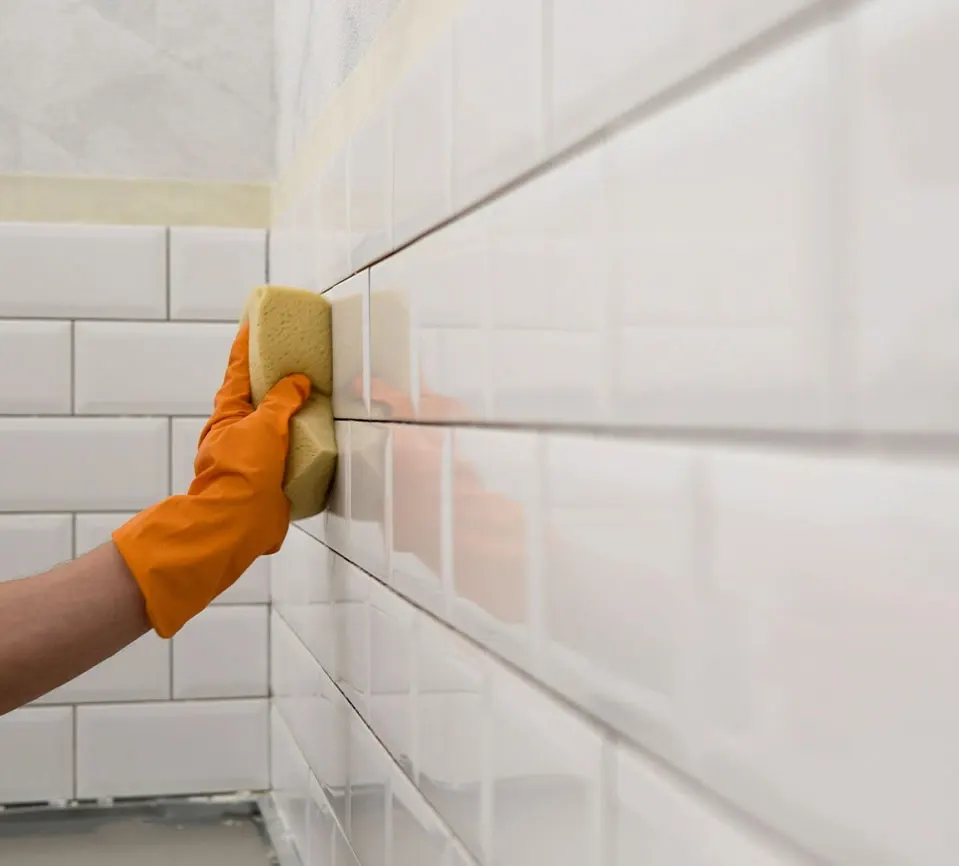
Grout is mixed to the manufacturer's instructions, packed fully into the joints with a rubber float, and tooled to a consistent profile. Then the haze is cleaned off the tile faces.
6. Corners and changes of plane
Where walls meet the tub, the floor or each other, we typically use a flexible, color-matched sealant instead of rigid grout. Those inside corners move slightly, and rigid grout there tends to crack first.
7. Curing and sealing
Cement grouts are sealed once they've cured. We'll tell you exactly when the area is ready for use.
"Today's Home Services did an outstanding job re-grouting my 18 year old bathroom walls and floor. My bathroom looks brand new. The two men who performed the work were friendly, hard-working and extremely professional. It is refreshing to have work done that is hassle free." — Renee Huntley
What Affects the Cost
Every regrouting estimate comes down to a handful of drivers:
- Square footage and layout. A small shower floor and a full tub surround with a floor are very different amounts of joint.
- Walls vs. floors. Wall joints are cut overhead and around fixtures, which takes longer per foot.
- Joint width and tile size. Narrow joints in small mosaic tile mean far more linear feet of grout to remove.
- How hard the old grout is. Sound, dense grout takes longer to cut out cleanly than grout that's already crumbling.
- Tile type. Natural stone and soft-glazed tile need slower, more careful removal to avoid chipping edges.
- Grout choice. Epoxy and other high-performance grouts cost more and take more care to install than standard cement grout.
- Extras. Resetting loose tiles, recaulking corners and sealing all add to the scope.
For a wider look at budgeting bathroom work, see our guide to what a bathroom remodel costs, and our post on what affects tile cleaning costs if a deep clean may be enough.
Choosing the Right Grout
The grout we choose depends on joint width, tile type and how wet the area gets. Unsanded grout is generally used for very narrow joints, sanded grout for wider joints, and epoxy or other high-performance grouts where stain and moisture resistance matter most, such as busy showers and kitchen floors. Our guide to grout types goes deeper into the trade-offs.
Color is the other decision. A shade close to the tile reads as one calm field, while a contrasting shade outlines each tile; lighter grout shows dirt sooner, and mid-tone grays are more forgiving.
Why It's Worth Doing Right
Damaged grout isn't only a cosmetic problem. Open joints let water reach the setting bed and the substrate behind it, which is one of the common reasons shower tile fails, and in our humid Gulf Coast climate it's an invitation for mold and mildew. Replacing failing grout protects the tile installation you've already paid for, and keeping it clean afterward helps it last. Our post on how cleaning extends the life of tile and grout covers the upkeep side.
We're top-rated on HomeAdvisor, and we handle regrouting for homes in Bradenton, Sarasota and Lakewood Ranch, among other nearby communities. If your grout is past saving with a scrub brush, a free estimate will tell you whether repair, regrouting or new tile fits best.
Frequently Asked Questions
Is grout replacement the same as regrouting?
Can you change my grout color when you replace it?
How long before I can use my shower after regrouting?
Will regrouting fix loose or hollow-sounding tiles?
Keep Exploring
-
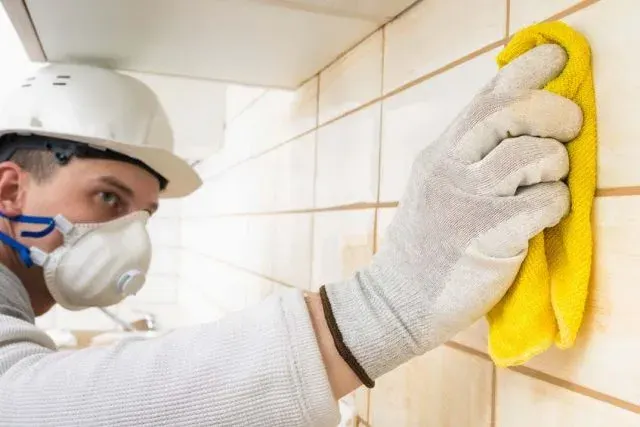
Tile and Grout Cleaning
Dingy grout lines make even good tile look tired. We assess your floors, showers and backsplashes, clean them with methods matched to the material, seal what…
-
 Understanding
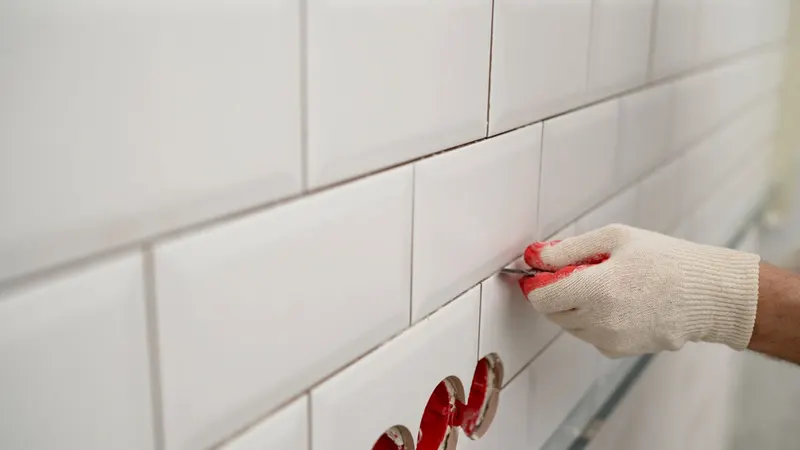
Grout Types: Choosing the Right Grout for a Bathroom
Grout fills the gaps, locks tile edges together and takes most of the daily abuse in a shower. Choosing the right kind depends on joint width,…
-
 Blog
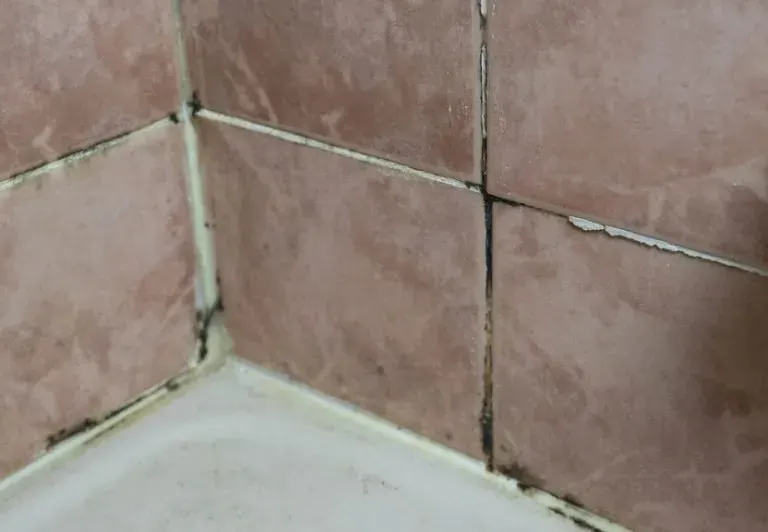
What Causes Grout to Crack?
Grout cracks for a reason, and the pattern of the cracks often tells you which one. Here's how to read what you're seeing and decide whether…
-
 Bathroom Service
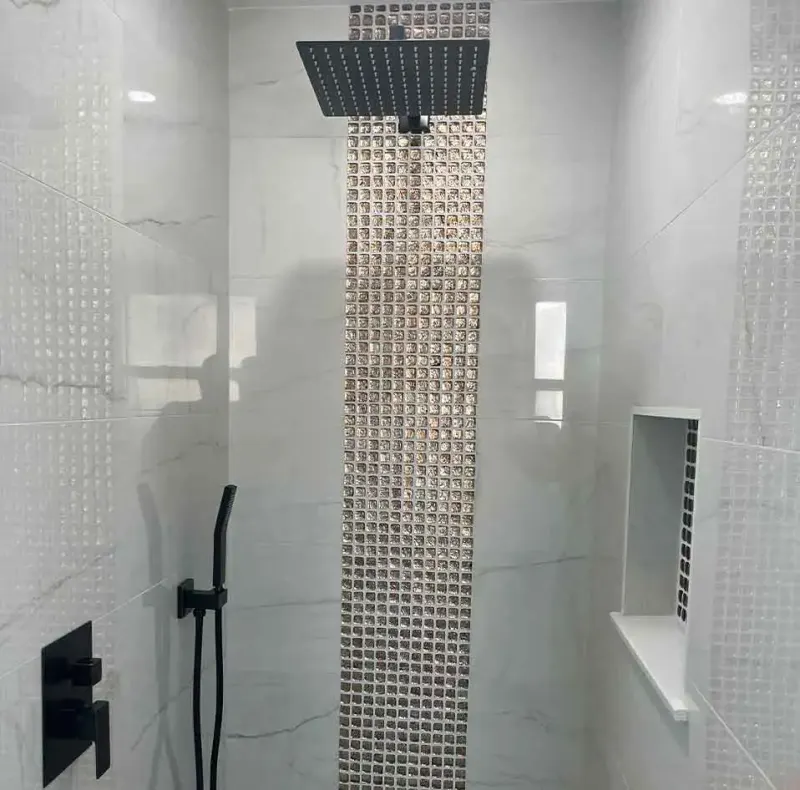
Bathroom Wall & Shower Tile Installation
Good tile looks effortless because the hard thinking happened before the first piece went up. We plan every wall, edge and niche so your shower and…
-
 Why
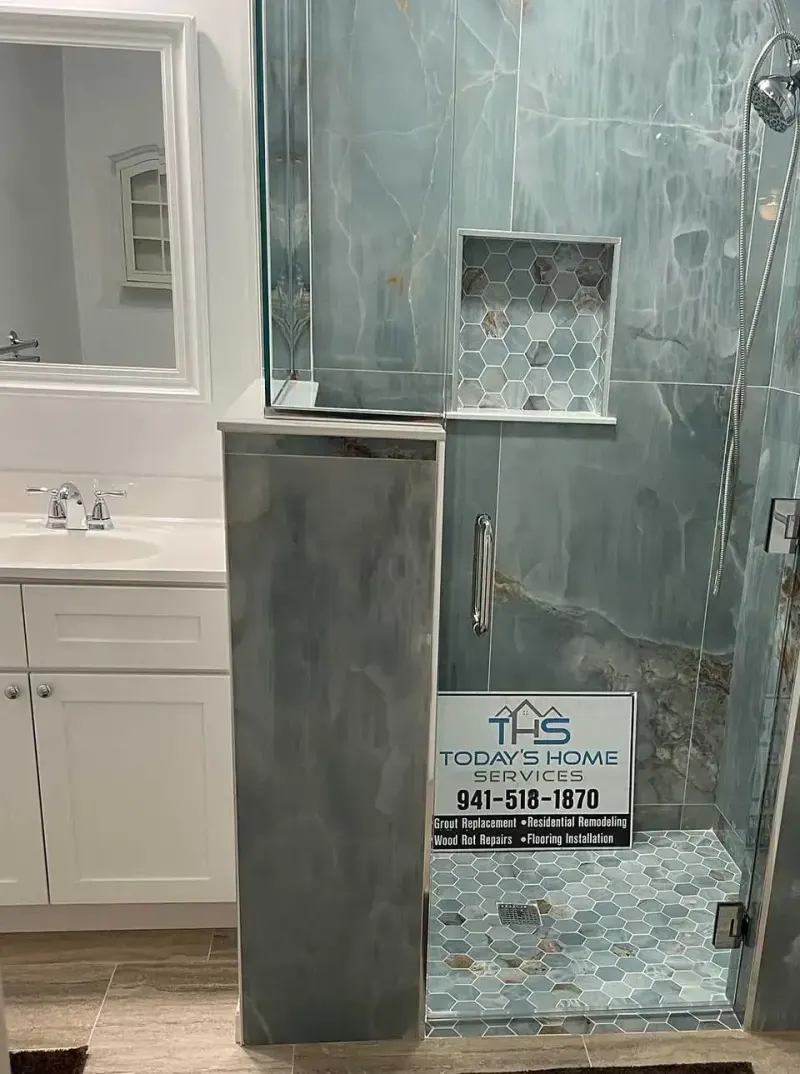
Why Shower Tile Fails (and What It Tells You)
Shower tile rarely fails because the tile itself was bad. It fails because of what's behind and beneath it: the bond, the backer, the pan and…