


Grout tells you a lot about the health of a tiled floor or shower. Here's how to read the warning signs, from simple staining to grout that needs more than cleaning.
Key takeaways
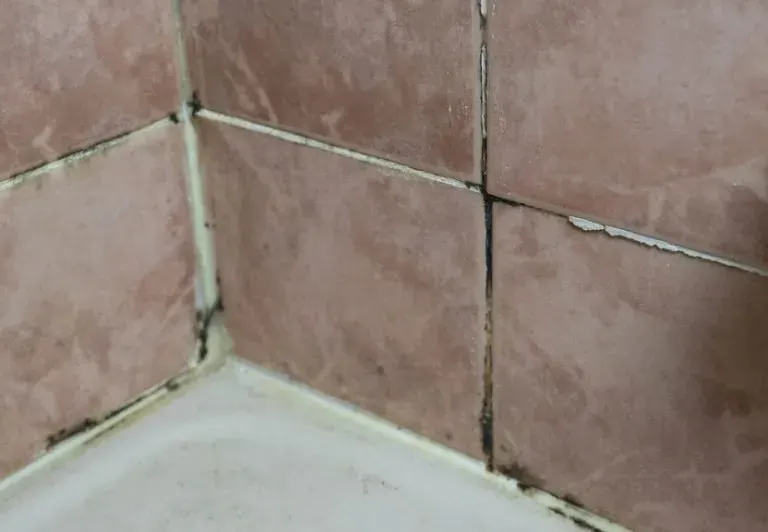
- Read the pattern of discoloration: dark traffic paths usually clean up, while blotchy or chalky grout may need color sealing or repair.
- Black spots that return within days point to growth deep in the joints or moisture that lingers too long.
- Joints that stay dark long after a shower can mean water behind the tile, which is an inspection issue, not a cleaning one.
- Sanding, crumbling or cracked grout calls for regrouting or caulk, not harder scrubbing.
Most homeowners handle grout themselves for years, and that's fine. At some point, though, the scrubbing stops working, or you start to wonder whether the problem is really dirt at all. That's where professional grout cleaning earns its keep. A professional can tell the difference between grout that needs a deep clean, grout that needs sealing, and grout that needs to be replaced. The signs below will help you figure out which situation you're in. If your concern is the tile faces rather than the joints, see our companion list of signs it's time for professional tile cleaning.
Sign 1: Discoloration You Can't Scrub Out
Discoloration you can't scrub out is the most common sign. Grout is porous, so soil, cooking oil, soap and minerals soak in rather than sitting on top. You can mop and scrub for an afternoon and barely see a change.
Pay attention to the pattern:
- Darker near doorways, sinks and the stove: traffic and spills, usually cleanable.
- Uneven, blotchy color across a whole floor: may be past cleaning alone. A color sealer can often restore a uniform look after cleaning.
- Lighter or chalky patches: possibly grout erosion or old bleach use, worth an inspection.
Sign 2: Black Spots That Keep Coming Back
Mold and mildew in shower grout is common in Florida, where humidity keeps bathrooms damp. If black spots return within days of cleaning, the growth is likely deeper in the grout than surface sprays can reach, or moisture is lingering longer than it should. Our guide on why bathrooms get mold in Florida explains the moisture side. Professional cleaning targets the joints directly, and sealing afterward helps slow the return.
Sign 3: Pink or Orange Film
That slimy pink or orange film in shower corners and around drains is usually bacteria feeding on soap residue. It's a sign that residue is building faster than your routine removes it. A deep cleaning resets the surface.
Sign 4: The Sealer Has Failed or Was Never Applied
Not every installer seals grout, and sealing isn't a one-time job. Sealer wears with traffic, cleaning and water. Sealed grout repels water; unsealed grout drinks it.
Try the water drop test: put a few drops on a grout line. If it darkens almost immediately, the grout is unprotected. The fix is a thorough professional clean first, then sealing once it's dry. Sealing dirty grout simply locks the dirt in.
Sign 5: Grout That Stays Dark After Showers
Grout darkens when wet, then lightens as it dries. If some joints stay dark long after everything else has dried, especially low on the walls or along the shower floor, water may be getting behind the tile. That isn't a cleaning problem. Have it inspected soon.
Sign 6: Grout That Sands Away or Crumbles
Run a fingernail along a joint. If grains come loose, or you notice sand in the shower pan after cleaning, the grout is breaking down. Scrubbing harder will only open the joint. This usually calls for grout replacement rather than cleaning.
Sign 7: Cracks and Gaps
Hairline cracks, joints pulling away from the tile, and gaps at corners and the tub edge let water into places it shouldn't go. Our article on what causes grout to crack covers the usual culprits, from movement to failed caulk joints.
Cleaning, Sealing or Regrouting?
| What you see | Most likely fix |
|---|---|
| Even dirt, grout still firm | Professional cleaning |
| Clean grout that soaks up water | Cleaning, then sealing |
| Blotchy color after cleaning | Color sealing |
| Sanding, crumbling or missing grout | Regrouting |
| Cracks at corners and changes of plane | Caulk or regrout, depending on location |
| Joints stay dark long after drying | Inspection for water behind tile |
Grout that's beyond cleaning isn't a dead end. Our grout replacement services restore failing joints without replacing the tile.
Tip: Take a dated phone photo of your worst grout area. Comparing it to another photo a few months later shows whether staining or cracking is getting worse.
If any of these signs look familiar, our tile and grout cleaning service starts with an assessment of whether cleaning, sealing or regrouting makes the most sense, and we'll give you a free estimate before any work begins.
Frequently Asked Questions
Can I color-seal grout instead of replacing it?
What is the pink or orange film in my shower grout?
Can professional cleaning fix cracked grout?
Should grout be cleaned before it is sealed?
Keep Exploring
-
Tile and Grout Cleaning
Dingy grout lines make even good tile look tired. We assess your floors, showers and backsplashes, clean them with methods matched to the material, seal what…
-
 Blog
Signs It Is Time to Call for Professional Tile Cleaning
Tile tells you when routine cleaning has stopped working. These are the surface clues we look for, what usually causes each one, and when a home…
-
 Blog
Grout Replacement and Regrouting
Sound tile surrounded by crumbling, stained or missing grout doesn't always need to be torn out. Here's how we remove old grout, choose the right replacement…
-
 Blog
What Causes Grout to Crack?
Grout cracks for a reason, and the pattern of the cracks often tells you which one. Here's how to read what you're seeing and decide whether…
-
 Why
Why Bathrooms Get Mold in Florida
Mold needs moisture, a surface to feed on and time. A Florida bathroom supplies all three generously, and a few common building shortcuts make it far…