


Tile tells you when routine cleaning has stopped working. These are the surface clues we look for, what usually causes each one, and when a home fix is still worth trying.
Key takeaways
- Dull or hazy glazed tile is usually a coating of residue or minerals, not worn tile, and a deep cleaning can remove it.
- A sticky floor, gray mop water and visible traffic lanes all mean routine mopping is moving dirt around instead of removing it.
- Scratches and acid etching are damage, not dirt, so cleaning won't remove them.
- A low flashlight across the floor helps you tell residue from wear before you call.
Knowing when to call for professional tile cleaning saves you a lot of wasted Saturdays. Tile is forgiving, and for a long time a mop and a decent cleaner keep it looking fine. Then one day you notice that nothing you do brings the shine back. That's the moment to switch from routine care to a deeper reset. The signs below focus on the tile surface itself. Grout has its own set of warning signs, which we cover in signs you should call professional grout cleaning.
1. The Tile Looks Dull or Hazy No Matter What You Do
Dull tile belongs near the top of the list. On glazed ceramic and porcelain, dullness is almost always a coating, not wear. Detergent residue, old "shine" products, wax and hard-water minerals build up in thin layers until the true surface disappears.
On natural stone, dullness can also come from fine scratches or acid etching, which cleaning alone won't fix. A professional can tell you which you're looking at.
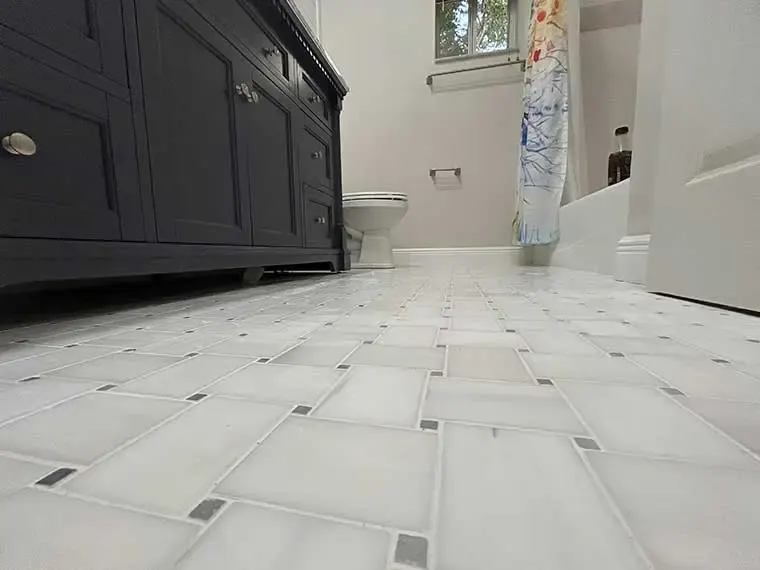
Tip: Hold a flashlight low to the floor and shine it across the tile. Residue shows as a cloudy, even haze. Scratches and etch marks show as distinct lines or spots.
2. The Floor Feels Sticky or Tacky Underfoot
If bare feet or socks stick slightly to a freshly mopped floor, residue has built up. Sticky floors grab dirt from shoes and pet paws, which is why they seem to get dirty again within hours. More cleaner makes it worse. Stripping that layer and rinsing properly is the fix.
Residue, wear or damage?
Use this quick check before you call:
| What you see | Likely cause | Will cleaning fix it? |
|---|---|---|
| Even, cloudy haze across the floor | Detergent, wax or mineral residue | Yes |
| Tacky feel after mopping | Cleaner residue | Yes |
| Dull rings or spots on marble or travertine | Acid etching | No, needs stone polishing |
| Fine lines that catch the light | Scratches | No |
| White powder at joints or edges | Efflorescence | Usually, if the moisture source is addressed |
| Chipped or worn glaze | Physical wear | No, needs repair or replacement |
3. You Can See Traffic Lanes
Walk patterns show up as darker paths from the door to the kitchen, around the island, or down a hallway. Soil grinds into the texture of matte and textured porcelain, which is popular in newer homes around Lakewood Ranch and Parrish. Mops slide over the top. Rotary and hand brushing reach into that texture.
4. Mop Water Turns Gray Almost Immediately
If the bucket is dark after the first room, the floor is releasing far more soil than a mop can carry away. You're mostly moving dirt from tile into grout. A professional cleaning that rinses and removes the dirty solution breaks that cycle.
5. Soap Scum and Mineral Film on Shower Walls
Bathroom wall tile takes a beating from soap, body oils and minerals. Many homes along the Gulf Coast have hard water, and the minerals leave a white, chalky film that bonds to tile and glass. When store-bought sprays no longer cut it, or you're scrubbing so hard you worry about the finish, it's time for help. Our guide on why hard water damages bathroom fixtures explains the mineral side of the problem.
6. Kitchen Tile Feels Greasy
Cooking oils settle on backsplashes and on the floor in front of the range. Grease attracts dust, and the combination turns into a brownish film that general cleaners smear around rather than remove. Kitchens often need a stronger degreasing approach that's still safe for the tile.
7. Stains That Won't Lift
Rust rings from a metal can, dye from a rug, a spill that sat overnight, or efflorescence on unsealed tile. Spot stains often need specific chemistry. Guessing with a stronger product can leave a bigger mark than the stain. That's a good time to let someone with experience pick the treatment.
8. You're Preparing for a Big Change
Moving in, moving out, listing a home, finishing a remodel in the next room, or welcoming family for an extended stay. A clean slate makes the house feel cared for, and it lets you see the true condition of the floor before deciding whether it needs repair or replacement.
What About the Grout?
Grout often gives the earliest warning, through discolored grout and mold in the joints. Those are important signs, and they deserve their own checklist. If your tile looks fine but the lines between it do not, start with our grout warning signs.
What Happens Next
When you call, expect a professional to ask about your tile type, any products you have been using and what bothers you most. Those answers, along with square footage and soil level, shape the estimate. Our post on what affects tile cleaning costs explains how. And if you're still on the fence, here are the benefits of professional tile cleaning in plain terms.
If two or three of these signs sound familiar, our tile and grout cleaning team can take a look and tell you plainly what cleaning will and won't fix. The assessment and estimate are free.
Frequently Asked Questions
Why does my tile look dull right after I mop?
Can professional cleaning remove scratches from tile?
Can professional cleaning remove efflorescence from tile?
Is professional cleaning safe for natural stone tile?
Keep Exploring
-
Tile and Grout Cleaning
Dingy grout lines make even good tile look tired. We assess your floors, showers and backsplashes, clean them with methods matched to the material, seal what…
-
 Blog
Signs You Should Call Professional Grout Cleaning
Grout tells you a lot about the health of a tiled floor or shower. Here's how to read the warning signs, from simple staining to grout…
-
 Blog
Benefits of Professional Tile Cleaning
A professional cleaning isn't just about how the floor looks next week. Here's what it does for the tile itself, from putting off replacement to making…
-
 Blog
Factors Affecting the Cost of Tile Cleaning Services
Two homes with the same floor plan can get very different tile cleaning quotes. These are the drivers behind the number, so you can read an…
-
 Why
Why Hard Water Damages Bathroom Fixtures
The white crust on your shower head and the haze on your glass door are the same thing: minerals left behind when water evaporates. Over time…