


The short answer
Sometimes. On a floor or dry backsplash where the old tile is flat, firmly bonded and dry, a new layer can be bonded over it. Inside a shower or tub surround, or over tile that's loose, cracked or hiding moisture, it's almost always a mistake, because you can't check or rebuild what's underneath.
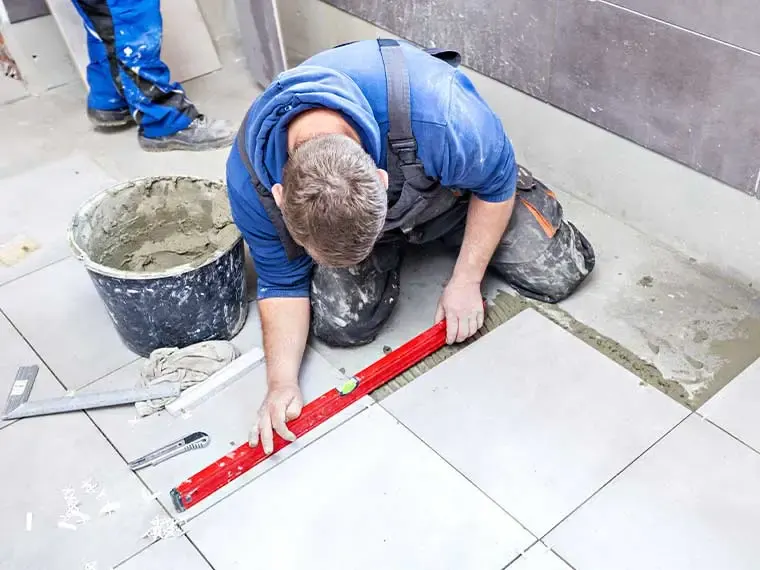
Key takeaways
- Tap-test every tile first: widespread hollow sounds mean the old installation has to come out.
- Never overlay inside a shower, where the waterproofing behind the tile is what matters.
- Added height affects doors, transitions, the toilet flange and the vanity toe kick, so plan for it from the start.
Overlaying tile is a legitimate technique in the right spot, and the wrong call in the wrong one. A careful installer will say so either way.
The deciding factor isn't the new tile at all. It is whether the old installation is a sound foundation, and whether covering it would bury a problem.
Where an overlay can work
Bathroom floors in good condition
If the floor tile is tight, the grout is intact, nothing sounds hollow and the floor doesn't flex, a new layer can be bonded over it. The surface typically needs a thorough degreasing, scuffing or grinding of the glaze, a bonding primer suited to the thinset, and sometimes a self-leveling layer to correct dips.
Backsplashes and wainscot
A vanity backsplash or a dry tiled wainscot is low risk. Water exposure is minimal and the weight is small. An overlay here can be a fast way to update a dated look.
Temporary or budget situations
If you plan a full remodel in a few years but need the floor to look better now, an overlay or a floating floor can bridge the gap. Just know you're adding work to the eventual demolition.
Where it should never be done
Inside a shower or tub surround
This is where we draw a firm line. A shower depends on the waterproofing behind the tile, not on the tile itself. Tile and grout aren't waterproof; water passes through grout and reaches whatever is behind it. If the existing shower was built over drywall, or its waterproofing has failed, covering it with new tile seals the problem in.
Even if the old shower seems fine, an overlay:
- adds weight to walls that were not built for it,
- buries any slow leak behind two layers,
- narrows the space and changes how the valve trim and glass fit,
- leaves you no way to verify the waterproofing.
A proper shower rebuild includes new backer board and a membrane system. Our shower pans and waterproofing page explains what that involves, and why shower tile fails shows what happens when it's skipped.
Over hollow, cracked or moving tile
New tile is only as stable as what it's stuck to. If the old layer is debonding, the new layer will fail with it. Cracks that run across several tiles often signal movement in the subfloor or slab, which an overlay can't fix.
Over any sign of moisture
Stains along the base of the tub, discolored grout near the toilet, a musty smell or soft spots underfoot all point to water. That needs investigation before anything new goes down. See why bathroom floors feel soft for the usual causes.
A quick checklist before you decide
Work through these in order. A "no" on any line usually means removal.
- Does every tile sound solid when tapped?
- Is the grout intact, with no cracks that run across several tiles?
- Is the floor flat enough for the tile you want? Large-format tile needs a much flatter surface than small tile.
- Is there clearance for the added height at doors, transitions and the toilet flange?
- Is the area free of stains, soft spots and musty odors?
- Is this a dry area, not a shower or tub surround?
The height problem people forget
Every layer adds thickness: the new tile, the thinset, possibly a leveling compound. In a bathroom, that matters more than you might think.
- Doors may need trimming to clear the new floor.
- Transitions to hallway flooring can turn into a noticeable lip, which becomes a trip hazard.
- The toilet flange ends up lower than the finished floor, so it needs an extension or spacer to seal properly.
- The vanity toe kick looks shorter, and a freestanding vanity may sit visibly lower against the wall.
None of these are deal-breakers, but they add work and should be in the plan from the start.
Flatness matters even more with big tile
Today's popular large-format porcelain tiles are unforgiving. Over an old floor with uneven grout joints and slight dips, a long tile will rock or show lippage at the edges. Leveling over the old tile is possible, but by the time you add primer and self-leveler, removal may be the more predictable route. Our explanation of why large-format tile needs a flat floor goes into the details.
Tip: If you're considering an overlay, look at a threshold, a floor vent if you have one, or the edge where tile meets the tub or door casing. You'll get a sense of how thick it is and what it's sitting on, which helps judge whether it's a sound base.
Overlay vs. tear-out at a glance
| Overlay | Tear-out | |
|---|---|---|
| Demolition and dust | Minimal | Significant |
| Floor height | Rises by the new layers | Stays close to the original |
| Chance to inspect the subfloor or slab | None | Full |
| Risk if the old layer fails | Both layers fail together | Starts from a sound base |
| Suitable in a shower | No | Yes |
Why we usually recommend removal
Removing the old tile is louder and messier, but it gives us something an overlay never can: a direct look at the subfloor or slab. In older Gulf Coast homes, that's where hidden water damage, cracked slab sections and old repairs tend to show up. Fixing those at the right moment protects the new floor for the long term.
When tear-out is the right answer, the new installation goes onto a clean, flat, properly prepared base, with the correct underlayment or membrane for a wet room. That's the foundation behind every bathroom tile and bathroom flooring project we do, and the same approach applies to our general tile installation work throughout the house.
The bottom line
Tile over tile is a tool, not a shortcut. Used on a sound, dry floor or backsplash, it can save some demolition. Used in a shower or over a failing floor, it hides a problem that will come back larger. If you aren't sure which category your bathroom falls into, we'll tap, look and tell you which it is during a free visit.
More Questions Articles
Frequently Asked Questions
How can I tell if my existing tile is well bonded?
Does tiling over tile save money?
Can I put vinyl plank over old bathroom tile instead?
Can you tile over tile on a bathroom wall outside the shower?
Keep Exploring
-
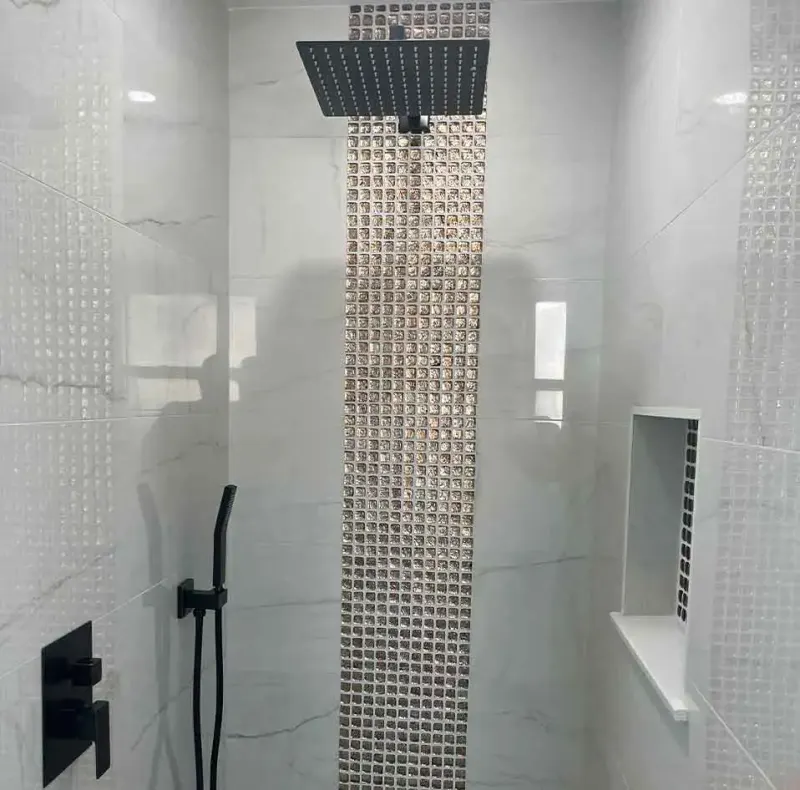 Bathroom Service
Bathroom Wall & Shower Tile Installation
Good tile looks effortless because the hard thinking happened before the first piece went up. We plan every wall, edge and niche so your shower and…
-
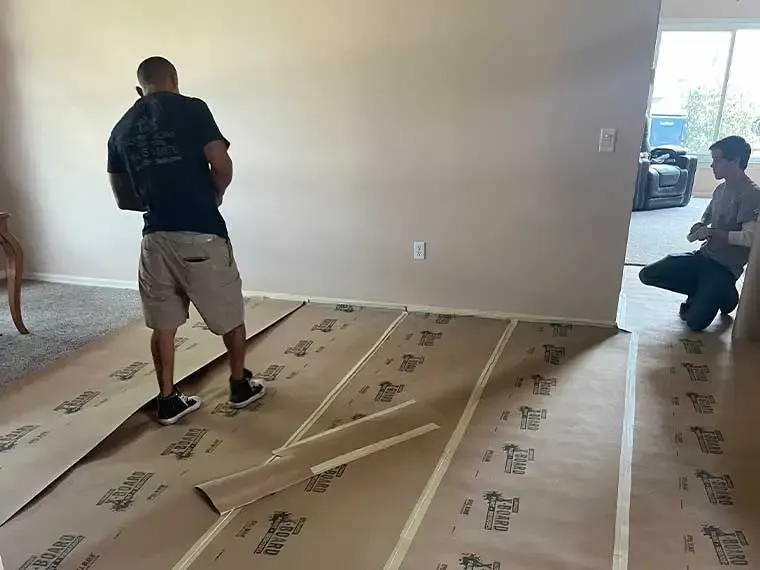
Tile Installation
Good tile work is mostly invisible: flat floors, straight lines, tight even grout joints and no hollow spots. We spend the time on layout and surface…
-
 Bathroom Service
Shower Pan Replacement and Waterproofing
Tile and grout are the part of a shower you see, but they aren't what keeps water in. That job belongs to the pan and the…
-
 Why
Why Large-Format Tile Needs a Flat Floor
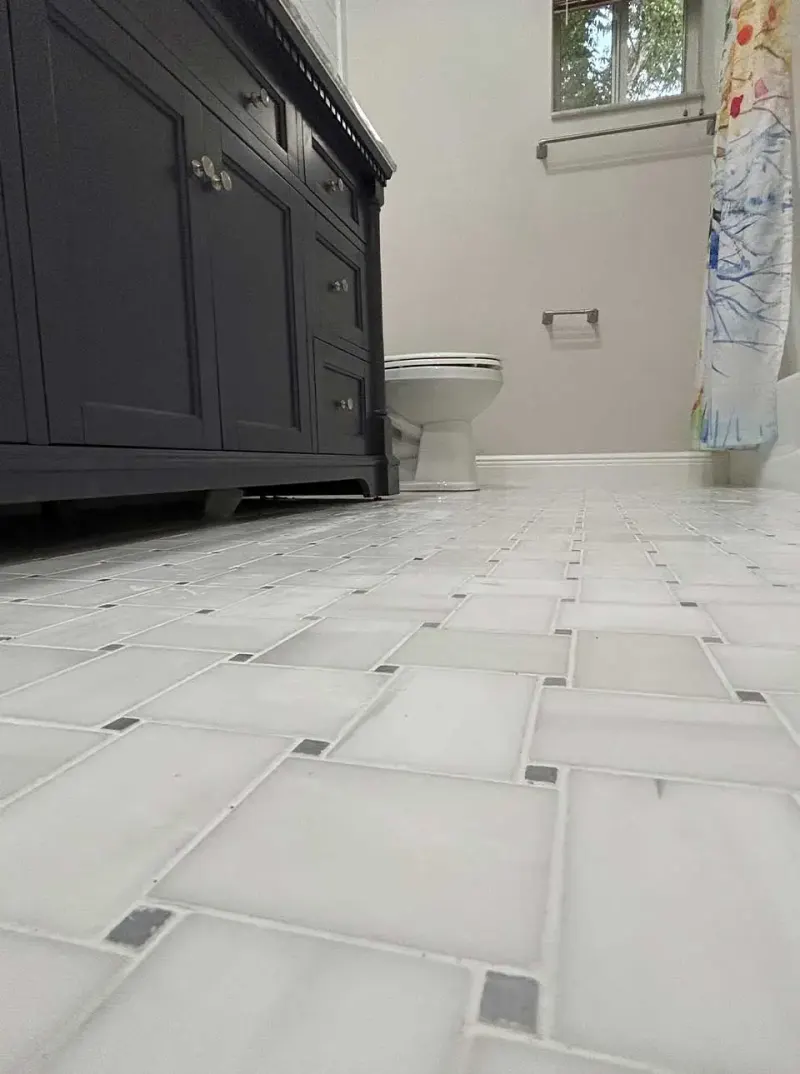
Big tiles look calm and seamless, but they're unforgiving. A dip that a 12-inch tile would ride over becomes an uneven edge you can see and…
-
 Why
Why Shower Tile Fails (and What It Tells You)
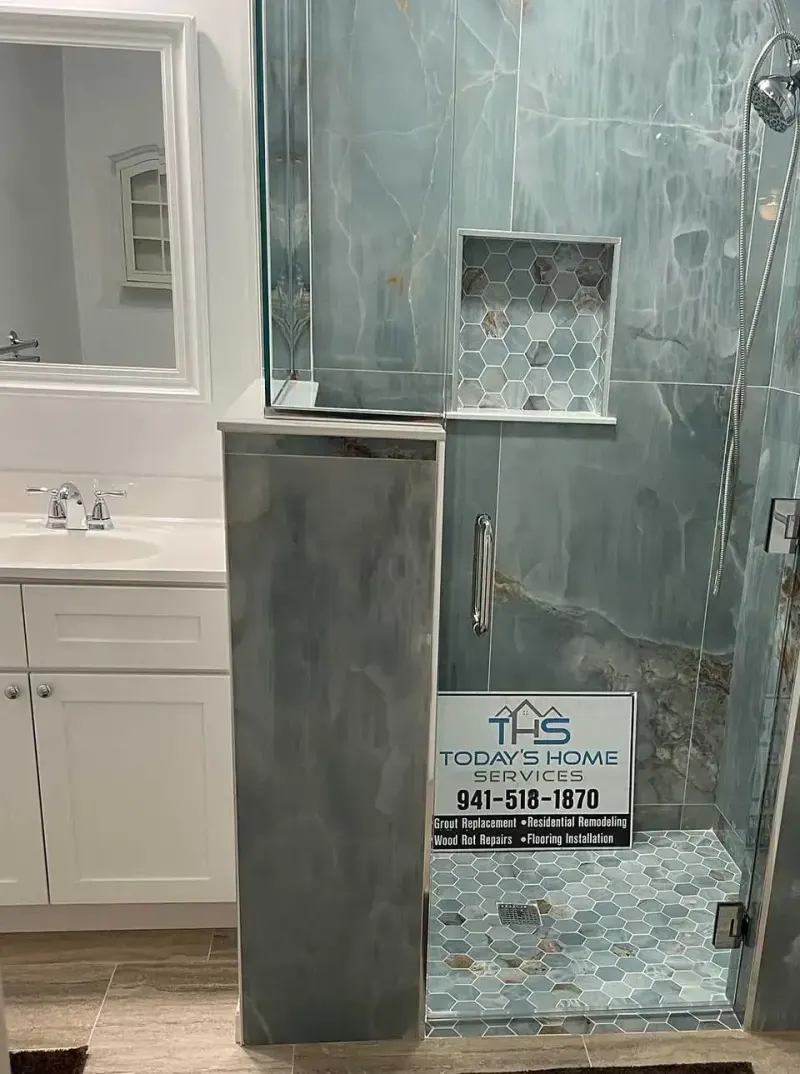
Shower tile rarely fails because the tile itself was bad. It fails because of what's behind and beneath it: the bond, the backer, the pan and…
-
 Bathroom Service
Bathroom Flooring Installation
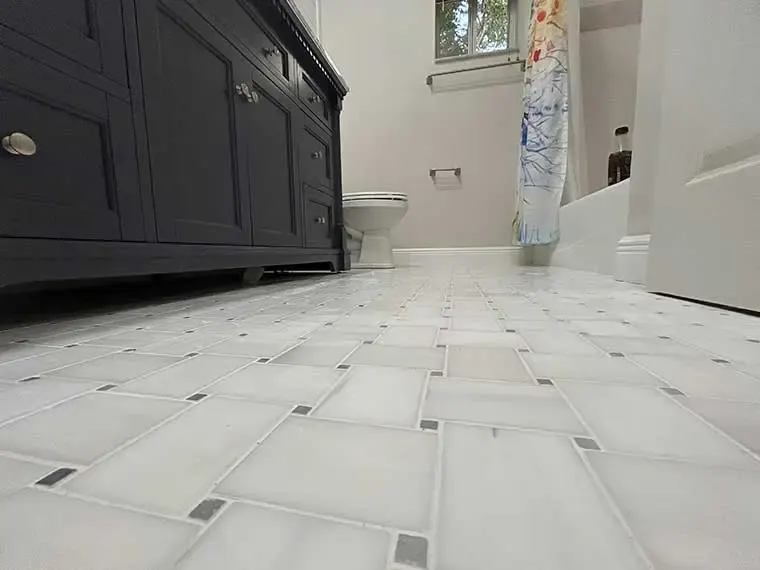
A bathroom floor takes splashes, steam, dropped bottles and daily traffic. We replace it with tile or waterproof vinyl laid over a flat, sound base, with…