


A weekend with a scrub brush can brighten grout, but it rarely reaches what's packed deep in the joints. Here's what changes when a crew does the work.
Key takeaways
- Much of grout's discoloration sits inside the pores, where rotary brushes and the right chemistry reach better than hand scrubbing.
- Sealing only works on clean, dry grout; sealing over dirt locks it in.
- The wrong cleaner can etch stone or lighten colored grout, which is why products are matched to the surface.
- Light, regular cleaning at home still matters; a deep restoration is a different job.
It's natural to think of grout cleaning as a DIY job. You buy a cleaner, a stiff brush and some knee pads, and give up a weekend afternoon. Sometimes that's enough. But homeowners are often surprised by how much difference professional grout cleaning services make, and the reasons go beyond simply "they work harder." This article compares the two approaches side by side so you can decide what makes sense for your home.
What a Typical DIY Grout Day Looks Like
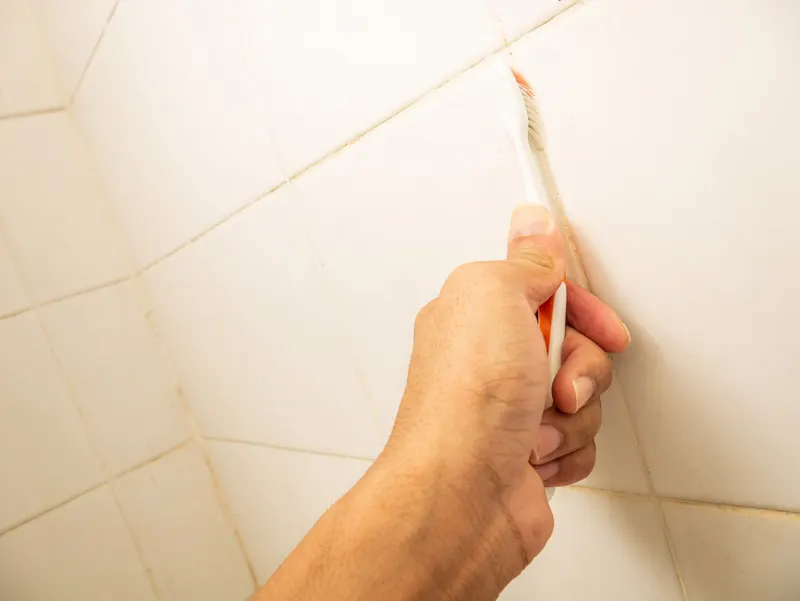
Here's how a typical DIY grout session goes. You pick up a cleaner at the hardware store, maybe two because you're not sure which works. You scrub one bathroom floor on your hands and knees, joint by joint. The grout gets lighter, but not evenly, and the dirty water you loosened sits in the joints until you mop it, which spreads some of it back. By mid-afternoon your back hurts, the kitchen hasn't been touched, and the shower corners still look gray.
Factor in the cleaners, brushes, a sealer, and the hours, and the savings shrink. That isn't a criticism of DIY. Light, regular cleaning at home is essential. But a deep restoration is a different job, and our article on the risks of DIY grout cleaning covers where it tends to go wrong.
What a Professional Visit Does Differently
It reaches inside the joint
Grout is porous, so much of the discoloration isn't on top of it. It's in it. Professional rotary equipment scrubs consistently across many joints at once, and hand detailing reaches edges and corners. The combination loosens soil from deeper in the pores than most handheld scrubbing.
It removes the dirty water
Loosened soil is rinsed and recovered rather than left to dry back into the joints; our post on how professional tile cleaning works walks through that step.
It uses the right chemistry for your surfaces
Different tile needs different cleaners. Porcelain, glazed ceramic, marble, travertine and slate all respond differently, and grout colors vary in how they react too. Professionals arrive with a range of products and choose based on what they find, so you don't buy three bottles to discover which one works, or which one etches your stone. Our guide to bathroom tile types shows why those differences matter.
It includes sealing done properly
Sealing only works on clean, dry grout, and cement and epoxy grouts are treated differently (see our guide to grout types). Sealing over dirty grout locks the dirt in. A professional cleaning followed by a properly timed sealer application helps the grout resist the next round of spills and moisture.
It comes with an inspection
While cleaning, technicians see every joint up close. They'll notice cracked grout, failing caulk at the tub line and hollow tiles, which are the early signs of problems you'd want to catch. If the damage is beyond cleaning, a company that also offers grout replacement can fix it rather than just pointing it out.
Side-by-Side Comparison
| DIY cleaning | Professional grout cleaning | |
|---|---|---|
| Equipment | Hand brushes, mop | Rotary machines plus hand detailing |
| Dirty water | Often left to dry back into joints | Rinsed and recovered |
| Cleaner selection | Trial and error | Matched to tile, stone and grout |
| Sealing | Easy to do too early or over dirt | Applied to clean, dry grout |
| Damage risk | Higher with acids and stiff brushes | Managed by matching products to the surface |
| Inspection | Whatever you happen to notice | Joint-by-joint review |
| Your time | Hours or a full weekend | Mostly free |
Benefits You Feel Afterward
- Routine cleaning becomes easier. Once the deep buildup is gone, a weekly mop actually keeps the grout looking clean.
- Fewer mildew spots. The film mildew grows on is removed, which matters in humid Florida bathrooms.
- Longer grout life. Clean, sealed grout resists water and stains, which delays the need for repairs.
- A clear plan. You'll know whether your grout needs only cleaning, a color seal, or replacement in some areas.
When DIY Is Enough
If your grout is in good condition and only lightly soiled, regular home cleaning may be all you need. Our article on how often grout cleaning should be done can help you decide when it's time to bring in help.
When it's time, we can walk your floors and give you a free estimate for tile and grout cleaning, whether it's one shower or the whole house.
Frequently Asked Questions
Will professional cleaning make my grout look new?
Is professional grout cleaning safe for natural stone?
Is professional grout cleaning worth the cost?
How long does professional grout cleaning take?
Keep Exploring
-
Tile and Grout Cleaning
Dingy grout lines make even good tile look tired. We assess your floors, showers and backsplashes, clean them with methods matched to the material, seal what…
-
 Blog
Risks of DIY Grout Cleaning
Grout is the softest part of a tiled surface, and the part most easily hurt by home cleaning. These are the common ways DIY efforts erode,…
-
 Blog
How Often Should Grout Cleaning Be Done?
There isn't one right interval for every room. A busy family shower and a seldom-used guest bath need very different schedules. Use this room-by-room guide to…
-
 Blog
Grout Replacement and Regrouting
Sound tile surrounded by crumbling, stained or missing grout doesn't always need to be torn out. Here's how we remove old grout, choose the right replacement…
-
 Why
Why Bathrooms Get Mold in Florida
Mold needs moisture, a surface to feed on and time. A Florida bathroom supplies all three generously, and a few common building shortcuts make it far…